Child Health Nursing

Overview

Child Health Nursing is a rapidly advancing field dedicated to meeting the unique needs of children and providing quality care for both healthy and sick children. The aim is to equip nursing students with the essential skills to deliver high-standard care, covering physical, emotional, and developmental needs in pediatric healthcare.
Daly.jpg

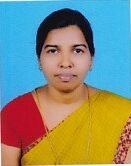
Dr. Dali Christabel H, M.Sc.(N), Ph.D

PROFESSOR & HOD

OBJECTIVES & FOCUS

The objectives of the Child Health Nursing program include enabling students to:

  • Perform physical assessments and basic nursing procedures.

  • Assist in diagnostic procedures and provide comprehensive pre- and post-care.

  • Conduct basic resuscitation.

  • Counsel and educate parents.

  • Deliver health and nutritional education tailored to children and their families.

Clinical Exposure and Learning

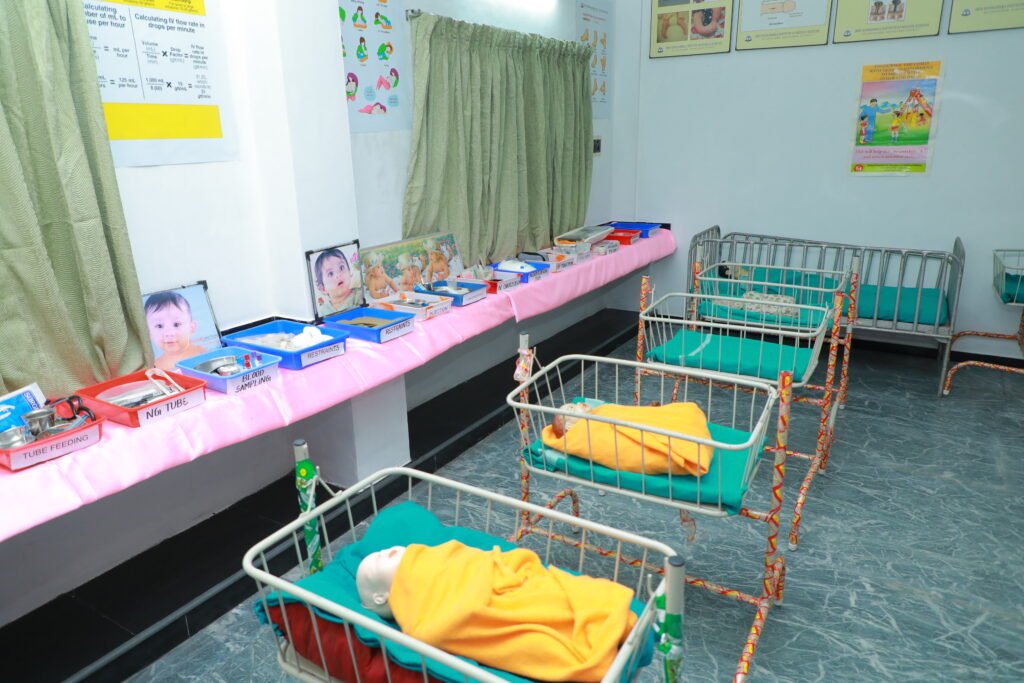
We assign both undergraduate and postgraduate students to various pediatric settings, such as the pediatric ward, outpatient pediatric department (OPD), immunization clinic, newborn ward, and pediatric intensive care units (NICU and PICU). In these areas, students actively perform procedures like physical examinations, medication administration, oxygen therapy, assistance with diagnostic procedures, CPR, play therapy, oral rehydration therapy, feeding, and care for surgical wounds           Students are given assignments to deepen their understanding and skills, including:

  • Care plans
  • Case studies
  • Case presentations
  • Health education
  • Health and developmental assessments
  • Nutritional assessments

In clinical settings, students learn and practice skills such as health and developmental assessment, fluid and drug calculation, case presentations, ward rounds, nursing conferences, medication and injection administration, feeding, preparation of oral rehydration therapy (ORT), and patient restraints.

Specialized Intensive Care Procedures

In the intensive care units, students encounter specialized procedures, including:

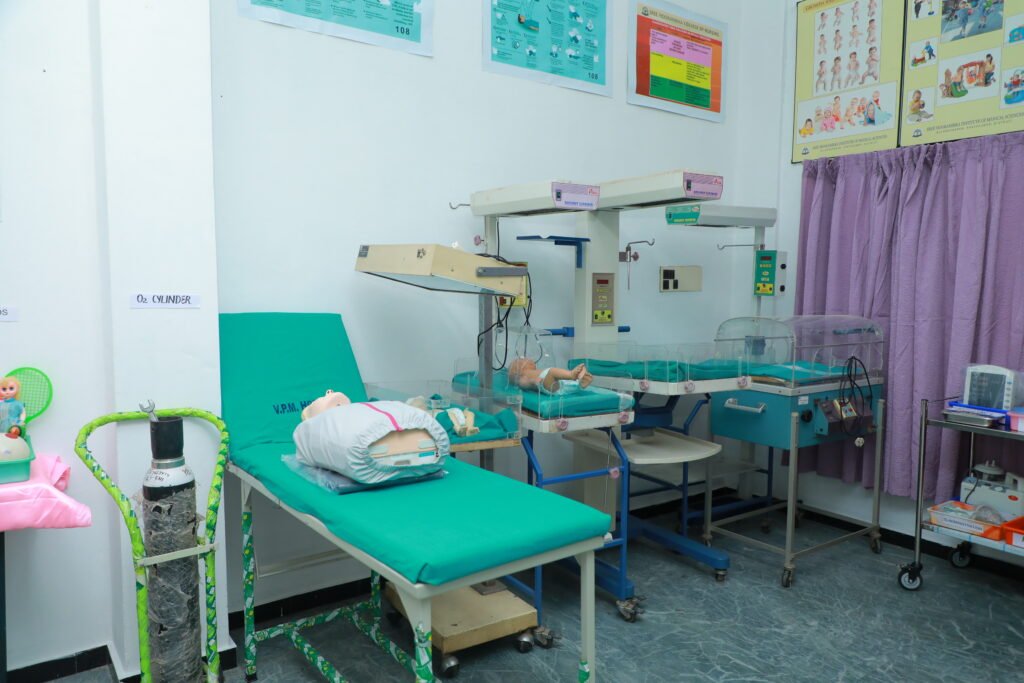
  • Care for children undergoing phototherapy, warmer care, ventilation, and oxygen therapy.
  • Suctioning, resuscitation, and care for children with critical needs.

Postgraduate students are encouraged to assist with advanced procedures, such as arterial BP monitoring, ECG recording, ABG analysis, umbilical and arterial catheterization, chest tube insertion, endotracheal intubation, exchange transfusions, and mechanical ventilation.

Community and Field Visits

To fulfill curriculum requirements, students also visit centers like the ICDS, Family Welfare Bureau, child care centers, and special schools for children. These visits provide broader exposure to pediatric care, focusing on family and community health, and offer hands-on learning experiences essential for their professional development in Child Health Nursing.

wpChatIcon
wpChatIcon