
Medicine in service of justice.
Forensic / Legal Medicine is a vital scientific discipline that applies medical and scientific knowledge to matters of law and justice. It involves the systematic examination, documentation and analysis of physical and biological evidence related to crimes, accidents, injuries and other legal issues.
The discipline assists in identification of victims and perpetrators through injury interpretation, age and sex determination, and evaluation of trace evidence. It also addresses medico-legal aspects of clinical practice including consent, medical negligence and the legal responsibilities of healthcare professionals.
Mission
To impart comprehensive education and practical training in Forensic and Legal Medicine grounded in scientific integrity and ethical practice — developing competent professionals capable of applying forensic science to legal, clinical and societal needs.
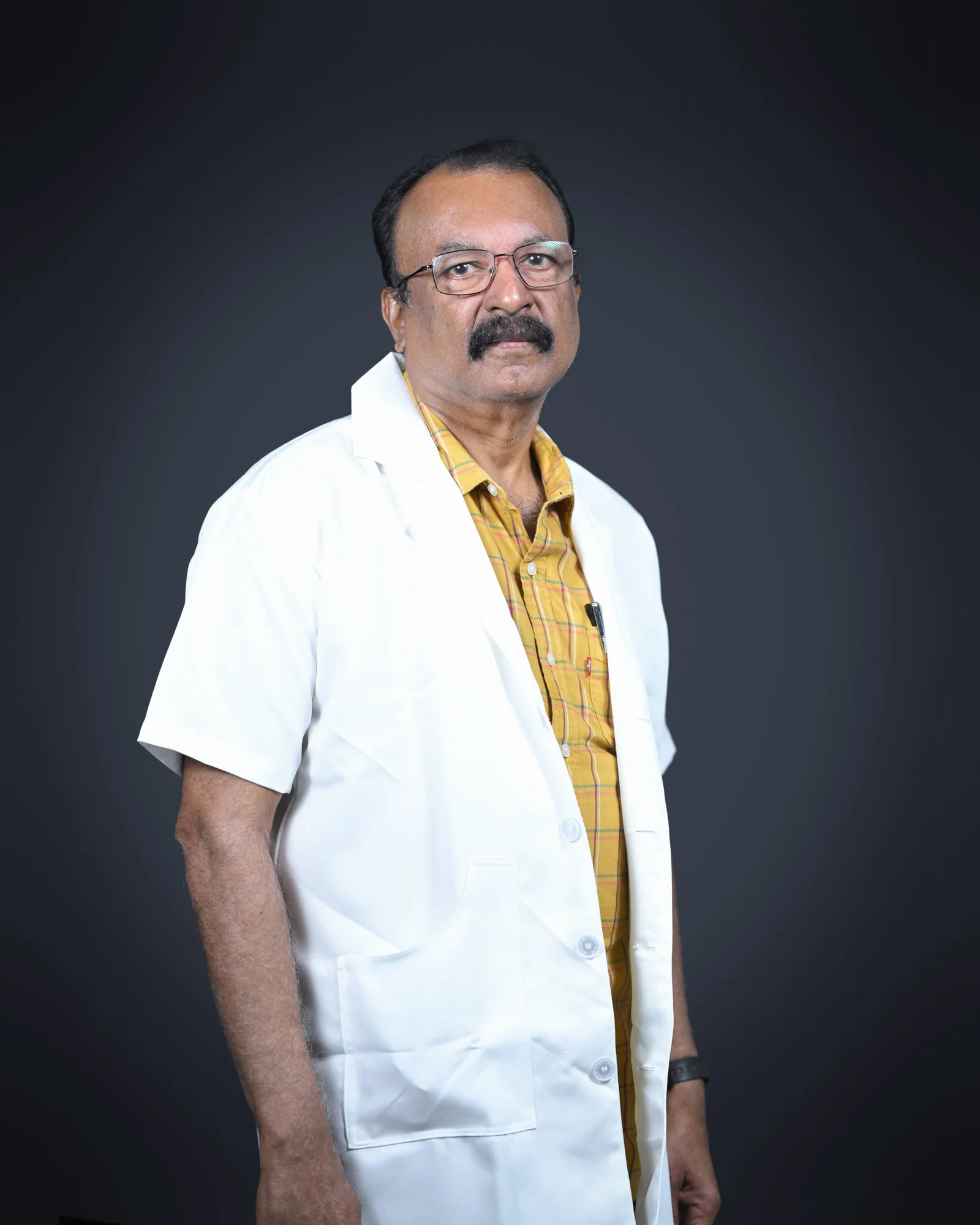
Leadership
Dr. Selvaraj T
MBBS, MD — Professor & HOD
Focus of the Department
Training legally aware physicians.
Medico-Legal Awareness
Training future physicians on laws related to medical practice.
Professional Ethics
Understanding medical negligence and ethical obligations.
Evidence Documentation
Examination and reporting of injuries and trace evidence.
Justice & Public Safety
Objective, unbiased scientific findings supporting legal outcomes.
Objectives
Competencies that protect.
Students learn existing laws and procedures relevant to medical practice, and gain skills in handling medico-legal cases confidently and responsibly.
- Knowledge of medical ethics, legal duties and responsibilities
- Identify, examine and document medico-legal cases
- Prepare reports and certificates per legal standards
- Manage poisoning cases and apply toxicology principles
- Perform medico-legal post-mortem examinations
- Preserve and dispatch specimens for legal investigation
Infrastructure
Museum, mortuary & autopsy theatre.
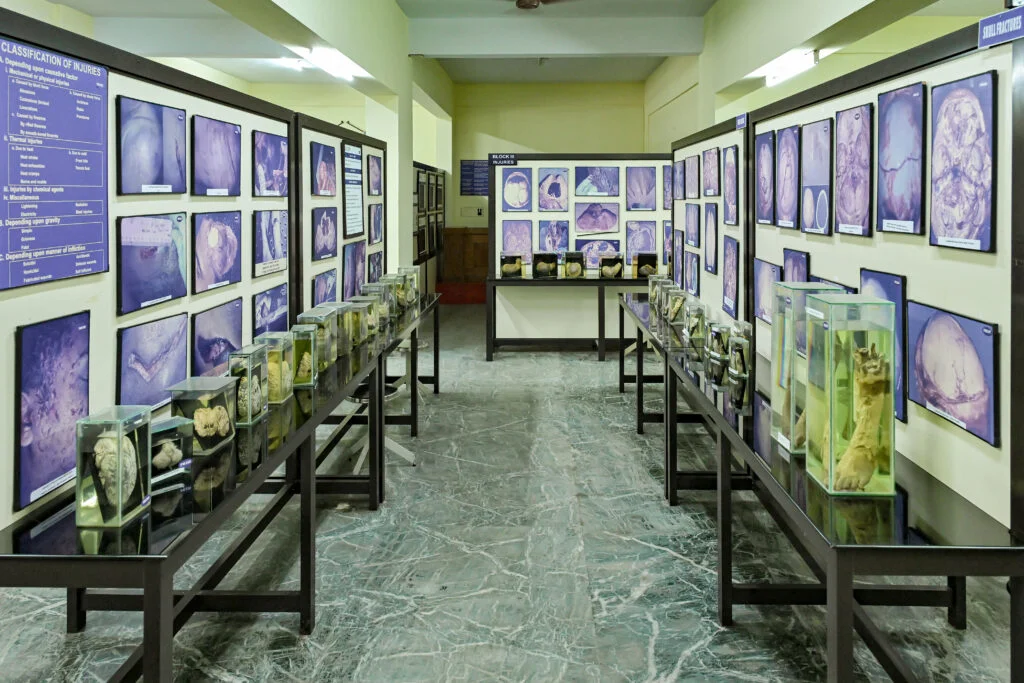
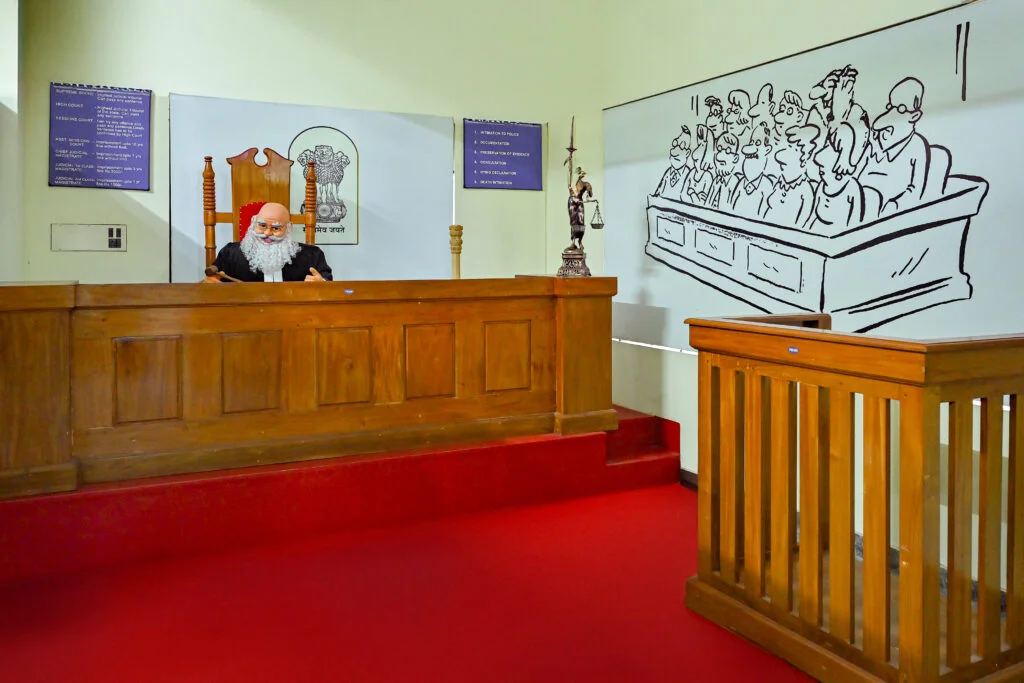
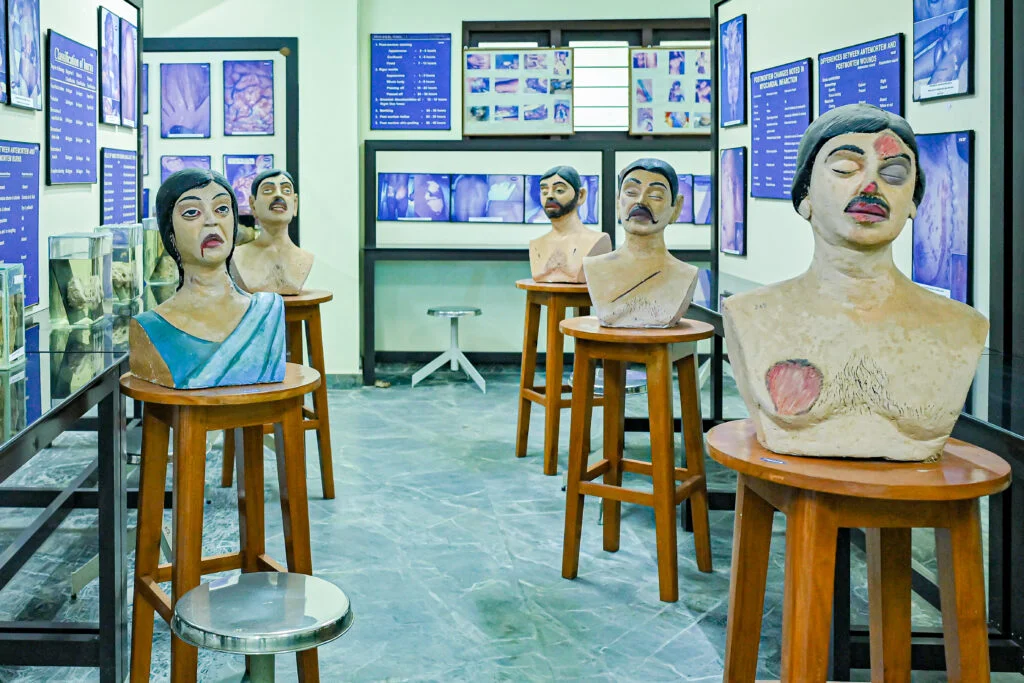
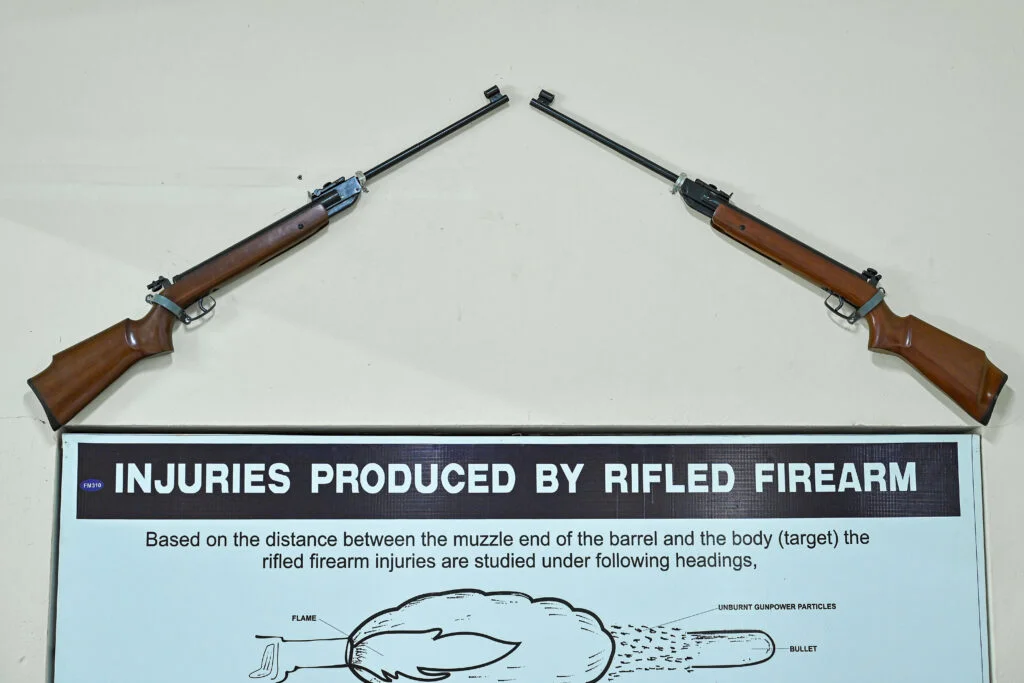
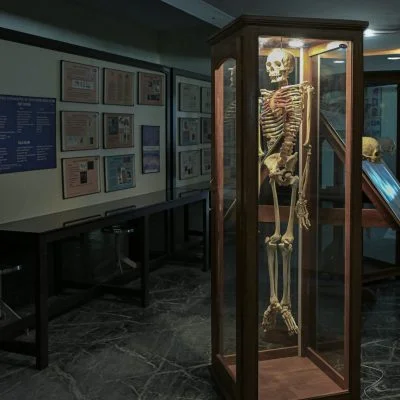
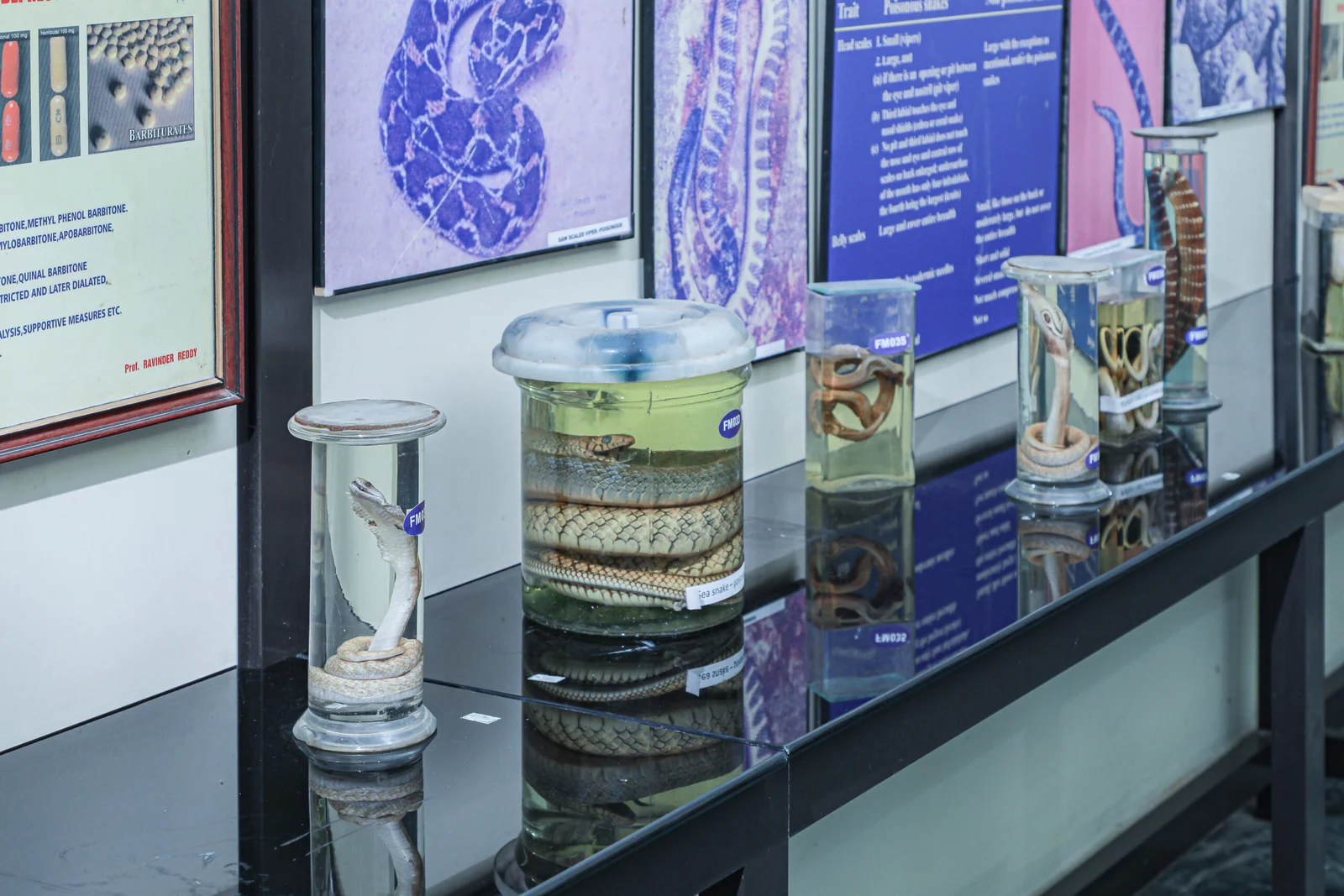
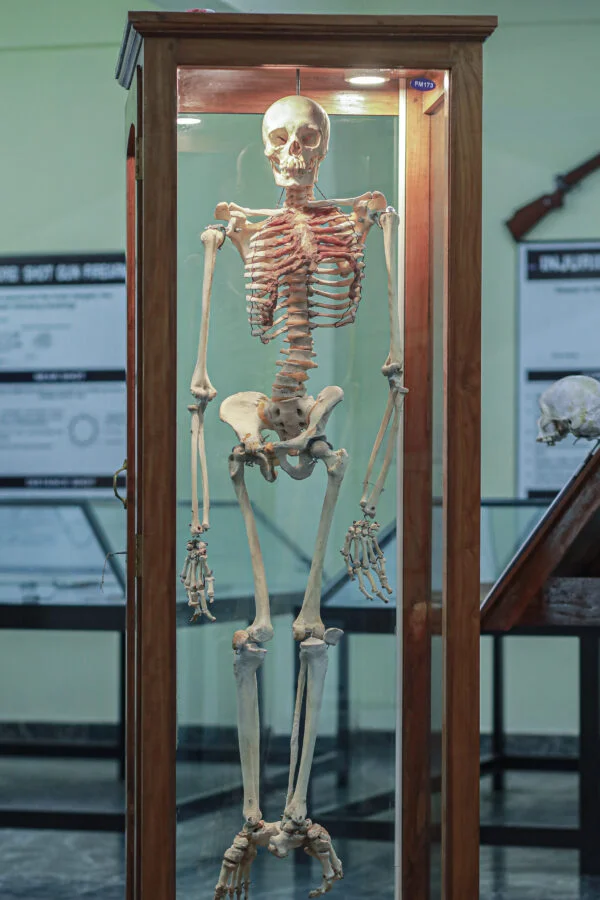
A well-maintained museum houses specimens, bones, weapons, photographs and charts of medico-legal importance. The institution also has a fully equipped mortuary with cooling chambers and a modern autopsy theatre.
Faculty
Experienced medico-legal experts.
| # | Name | Designation | Date of Joining |
|---|---|---|---|
| 01 | Dr. Selvaraj T | Professor & HOD | 01-08-2022 |
| 02 | Dr. Rajavelu K | Associate Professor | 13-12-2023 |
| 03 | Dr. Jerin S Das | Associate Professor | 03-01-2022 |
| 04 | Dr. Sivaduth Chandran | Tutor | 04-06-2025 |
| 05 | Dr. Bijoy B J | Tutor | 07-07-2025 |
| 06 | Dr. Visal Pallivila | Tutor | 02-06-2025 |
| 07 | Dr. Ashin S Kumar | Tutor | 02-06-2025 |
| 08 | Dr. Alin Raj A L | Tutor | 04-06-2025 |
| 09 | Dr. Athul Jayaraj S | Tutor | 04-06-2025 |
Teaching Programme
Undergraduate teaching spans multiple semesters and combines theoretical lectures with practical sessions and innovative learning methods — ensuring a comprehensive grasp of medico-legal concepts and procedures.
Research & Limitations
Research is constrained by restrictions on post-mortem examinations in private medical institutions. The department continues to focus on academic development and training within available resources.
Conclusion
Responsible, legally aware medical professionals.
By integrating medical science with the legal system, Forensic Medicine prepares students to handle medico-legal cases effectively, uphold ethical standards and contribute to the justice system.