
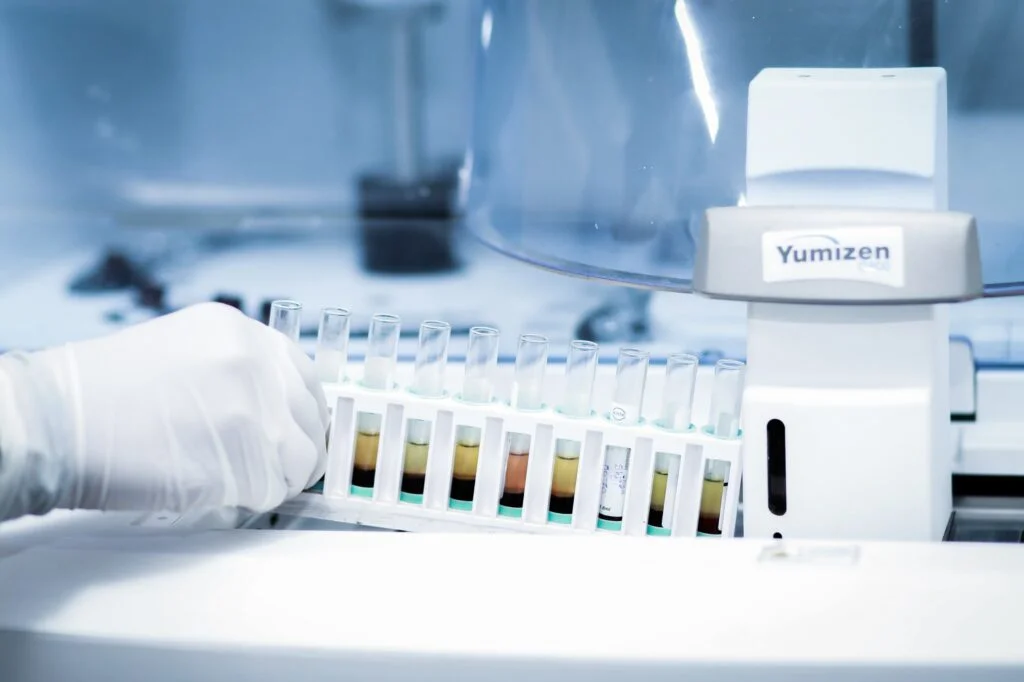
Diagnostics that
guide care, 24/7
Biochemistry, Pathology, Microbiology and Molecular Diagnostics under one integrated laboratory.
Overview
The Central Laboratory at SMIMS provides comprehensive diagnostic services through the integrated departments of Biochemistry, Pathology, and Microbiology, supporting accurate disease diagnosis, treatment monitoring, and preventive healthcare. Equipped with advanced automated analyzers and modern diagnostic technologies, the laboratory delivers reliable and timely results for both routine and specialized investigations.
The facility functions round the clock, ensuring uninterrupted laboratory support for emergency services, critical care units, operation theatres, OPD and inpatient wards — covering clinical chemistry, hematology, cytology, histopathology, microbiology and molecular diagnostics.
The laboratory also supports infection control programs, antimicrobial stewardship and hospital surveillance, while serving as an academic and research facility for undergraduate, postgraduate and allied health programs.
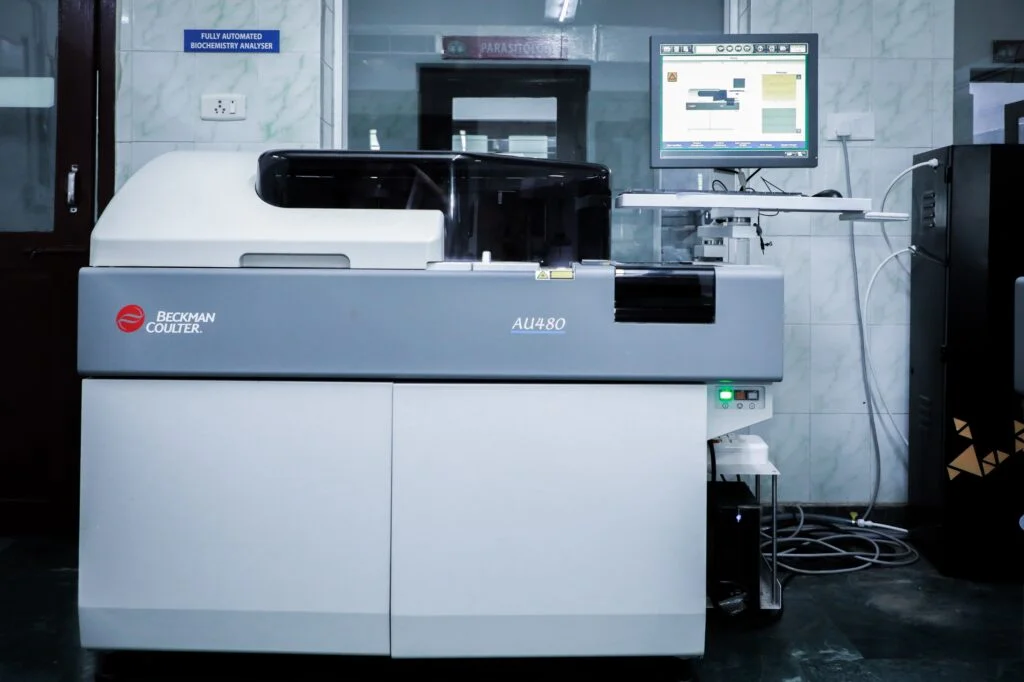
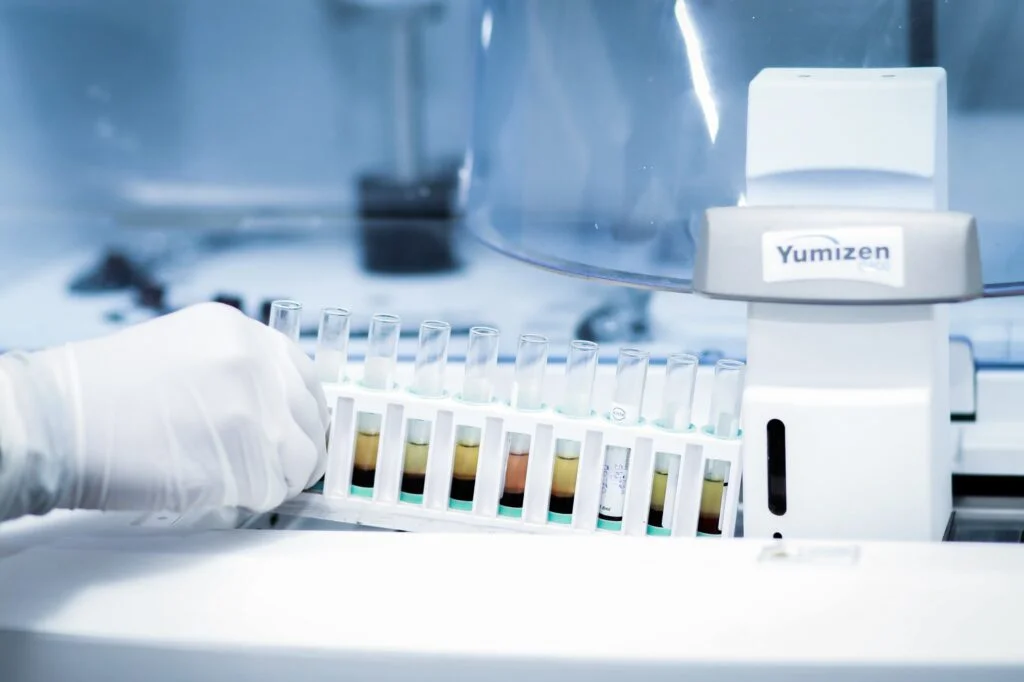
Biochemistry
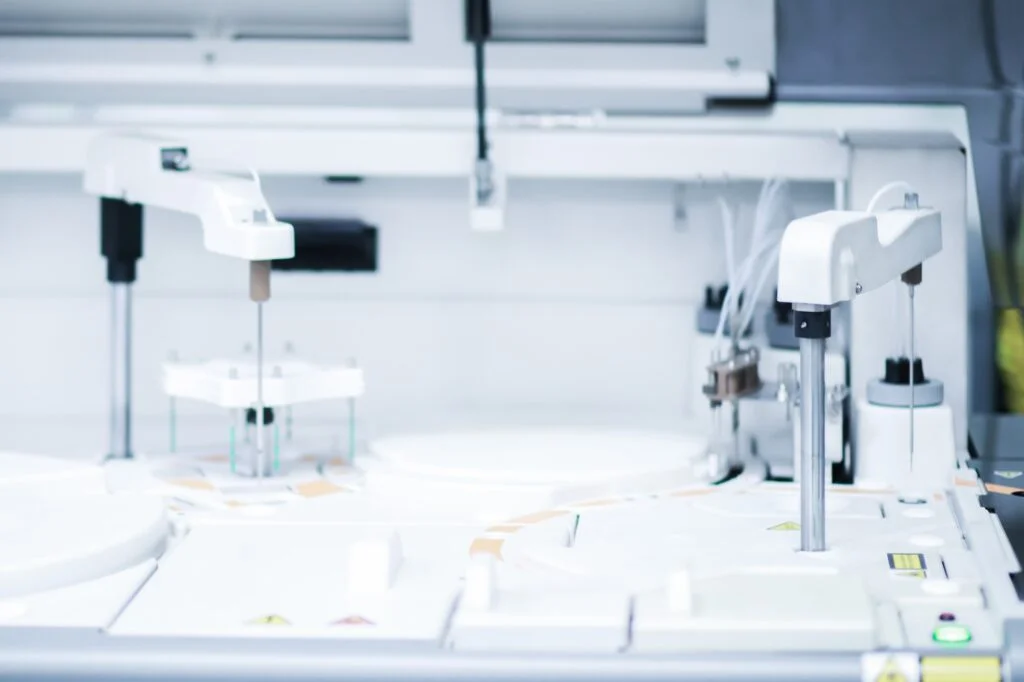
Fully automated high-throughput analyzers and immunoassay platforms enable rapid, reliable analysis of routine and specialized biochemical parameters — supporting OPD, IPD, emergency, ICU and OT services.
Advanced Diagnostic Equipment
Services Provided
Hematology
Comprehensive diagnostic services for blood and coagulation disorders — anemia, infections, bleeding & clotting abnormalities, hematological malignancies and systemic diseases.
Clinical Pathology
Microscopic and biochemical analysis of urine, stool and body fluids — supporting diagnosis of infections, metabolic disorders, renal and systemic conditions.
Histopathology, Cytology & IHC
Tissue-based diagnostics for tumours, inflammatory diseases and systemic disorders — supporting surgery, oncology, gynaecology, gastroenterology, urology and pulmonology.
- •Automated tissue processors
- •Microtomes & cryostat sections
- •Routine H&E and special stains
- •Surgical & biopsy specimen evaluation
- •Cytospin centrifuge for smears
- •FNAC sample examination
- •Pleural / peritoneal / CSF cytology
- •Early cancer & inflammation detection
- •Breast panel — ER, PR, HER2/neu, Ki-67
- •Primary & secondary antibody systems
- •Controlled antigen retrieval
- •Targeted therapy guidance
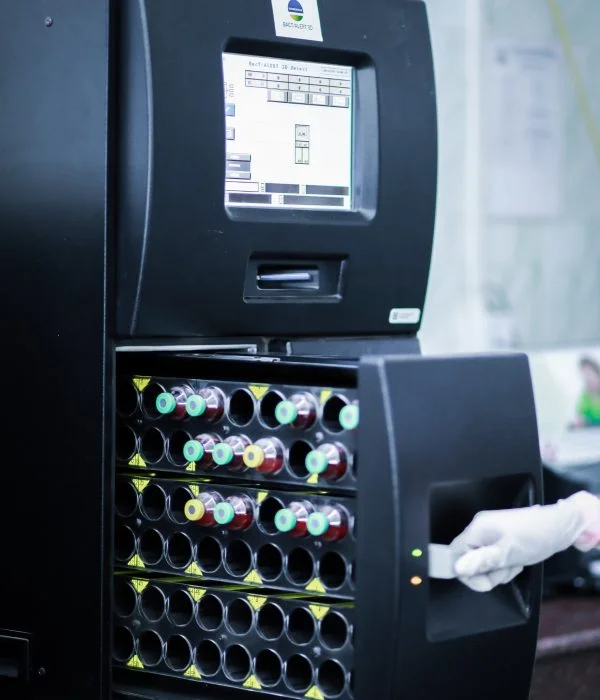
Microbiology
Detection, identification and monitoring of bacterial, viral, fungal and parasitic infections — supporting patient care, infection control, antimicrobial stewardship and hospital surveillance.
Equipment
PCR Laboratory
Dedicated molecular diagnostics with real-time PCR systems, nucleic acid extraction platforms and segregated pre/post-PCR workflow zones. Played a key role during the COVID-19 pandemic.
Quality & Accuracy
Strict internal quality control, standardized SOPs, calibrated instruments and trained personnel ensure precision, reproducibility and rapid turnaround — critical for emergency and critical care decision-making.
Biosafety & Infection Control
Class II biosafety cabinets, dedicated PCR zones, antimicrobial stewardship support, antibiogram preparation and outbreak surveillance — reducing hospital-acquired infections and improving patient safety.