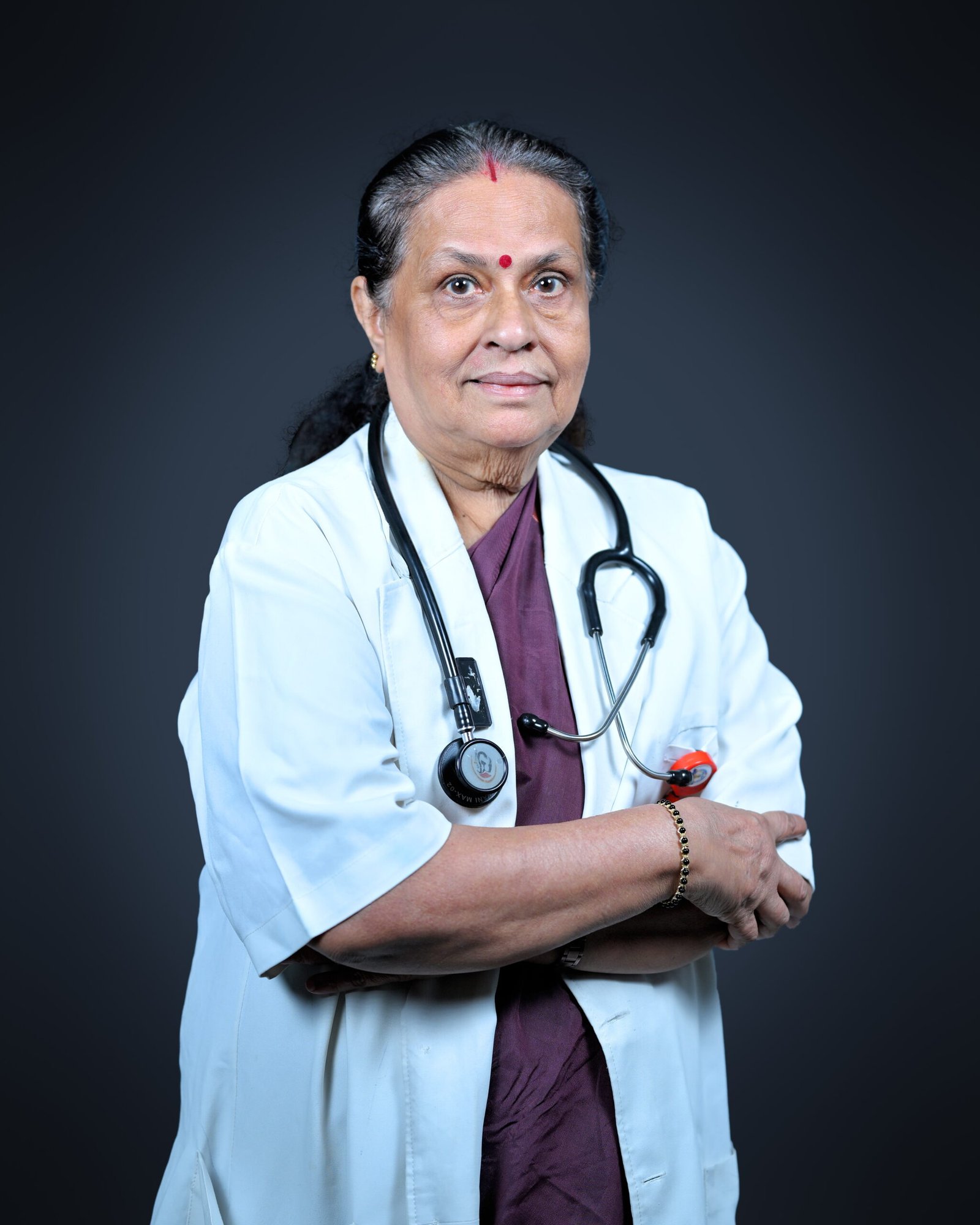
Dr.Shobha Kumari .T
MBBS, MD . Professor & HOD
Overview
The Department of Physiology functions in strict compliance with the norms and guidelines laid down by the National Medical Commission, ensuring the highest standards in medical education. The department is adequately staffed with experienced and qualified faculty members, supported by trained technical and non-teaching personnel. It is equipped with well-maintained laboratories, modern instruments, and audio-visual teaching aids that facilitate effective practical training and interactive learning.The department emphasizes competency-based medical education, integrating theory with practical and clinical applications to enhance students’ understanding of normal human functions and their relevance to health and disease. Regular assessments, tutorials, and academic activities are conducted to reinforce learning outcomes. The department also encourages research activities, faculty development, and continuous upgradation of infrastructure, thereby fostering an environment of academic excellence and holistic professional development for students.
Overview
The Department of Physiology functions in strict compliance with the norms and guidelines laid down by the National Medical Commission, ensuring the highest standards in medical education. The department is adequately staffed with experienced and qualified faculty members, supported by trained technical and non-teaching personnel. It is equipped with well-maintained laboratories, modern instruments, and audio-visual teaching aids that facilitate effective practical training and interactive learning.The department emphasizes competency-based medical education, integrating theory with practical and clinical applications to enhance students’ understanding of normal human functions and their relevance to health and disease. Regular assessments, tutorials, and academic activities are conducted to reinforce learning outcomes. The department also encourages research activities, faculty development, and continuous upgradation of infrastructure, thereby fostering an environment of academic excellence and holistic professional development for students.
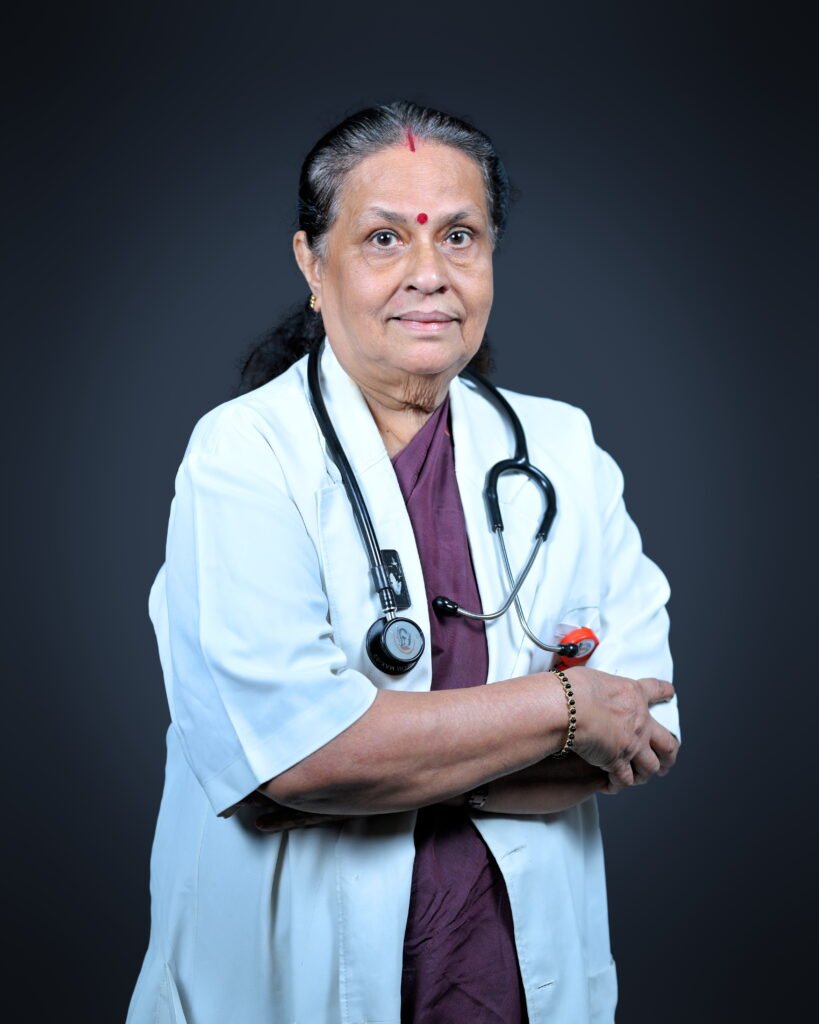
Dr.Shobha Kumari .T
MBBS, MD . Professor & HOD
Overview
The Department of Physiology functions in strict compliance with the norms and guidelines laid down by the National Medical Commission, ensuring the highest standards in medical education. The department is adequately staffed with experienced and qualified faculty members, supported by trained technical and non-teaching personnel. It is equipped with well-maintained laboratories, modern instruments, and audio-visual teaching aids that facilitate effective practical training and interactive learning.The department emphasizes competency-based medical education, integrating theory with practical and clinical applications to enhance students’ understanding of normal human functions and their relevance to health and disease. Regular assessments, tutorials, and academic activities are conducted to reinforce learning outcomes. The department also encourages research activities, faculty development, and continuous upgradation of infrastructure, thereby fostering an environment of academic excellence and holistic professional development for students.
Dr.Shobha Kumari .T
MBBS, MD . Professor & HOD
Professor & HOD
Mission
The mission of the Department of Physiology is to provide high-quality, competency-based medical education that integrates theory, practical skills, and clinical applications. It is committed to fostering academic excellence, research, and holistic professional development in students.
Contact Information
Email id:
physiology@sreemookambikainstitute.com
Faculties
| S.No | Name | Designation |
|---|---|---|
| 1 | Dr. Indu K Pisharody | Professor |
| 2 | Dr. Sobhakumari T | Professor |
| 3 | Dr. Florence Nesa Bella Deva Sigamani | Associate Professor |
| 4 | Dr. Archana Chandran | Associate Professor |
| 5 | Dr. Rajagopalan Asari K | Associate Professor |
| 6 | Dr. Lisha Vincent | Assistant Professor |
| 7 | Dr. Liji Justin | Senior Resident |
| 8 | Dr. Naveen R | Tutor |
| 9 | Dr. Akhilya Nadesan Jaya | Tutor |
| 10 | Dr. Praveen Raj R S | Tutor |
| 11 | Dr. Vinisha Jasmine V F | Tutor |
| 12 | Dr. Vighnesh B | Tutor |
| 13 | Dr. Merfin Anto M J | Tutor |
| 14 | Dr. Gankhio Glady Louis | Tutor |
| 15 | Dr. Ancy Arun Bensam Vimala | Tutor |
1. SPECIALITY SERVICES
The department has specialized laboratories for research in areas such as Neurophysiology, Cardiovascular Physiology, and Respiratory Physiology. Diagnostic tests like ECG, Spirometry, and Nerve Conduction Studies are done. The department collaborates with clinical specialties to provide integrated learning experiences.
2. PROCEDURE
Laboratory-based experiments such as measuring heart rates, ECG, respiratory functions are performed to study the body’s response to stimuli and its homeostatic mechanisms. Practical sessions involve sensory and motor nerve conduction study, autonomic functions, hematological experiments like WBC, RBC count, ESR, PCV, DLC, blood group, platelet count. These activities are vital for equipping medical students with foundational knowledge to become a competent doctor.
3. POST GRADUATE PROGRAMMES/ FELLOWSHIPS
MD Physiology
4. CMEs, CONFERENCES, WORKSHOPS, SEMINARS DONE IN THE DEPARTMENT
The department celebrates events like Yoga Day, where students and staff participate in yoga sessions. It conducts student seminars on a regular basis. The faculty and postgraduate students take part in CMEs and conferences and have presented papers and also done poster presentations. Students also do regular poster presentations in the department.
5. MERITS AND OTHER ACHIEVEMENTS
The department has a well-structured curriculum that integrates theoretical knowledge with practical application, preparing students for clinical excellence. Research-wise, faculty and students have published numerous papers in national and international journals, contributing significantly to advancements in the subject. The department has received accolades for promoting wellness through initiatives like Yoga Day. The department has produced high-performing graduates who excel in various medical fields. Recently, a postgraduate student presented a paper in an international conference.
Introduction to Physiology
Physiology is a fundamental branch of medical science that deals with the study of normal functions of the human body and its various systems. It explains how the body works at different levels, from cells and tissues to organs and organ systems. The subject forms a strong foundation for understanding health and disease, helping medical students correlate basic functions with clinical conditions.
Objectives of Studying Physiology
The primary objective of studying physiology is to provide students with a clear understanding of the normal functioning of the human body. It helps students learn how different systems of the body work in coordination to maintain internal balance, known as homeostasis. Students are trained to apply physiological principles to clinical situations, enabling them to understand the basis of disease processes and medical treatments.
Scope and Importance
Physiology covers a wide range of body systems including the nervous system, cardiovascular system, respiratory system, digestive system, excretory system, endocrine system, and reproductive system. It helps students understand how these systems interact and regulate body functions. The subject also emphasizes mechanisms such as nerve conduction, muscle activity, hormonal regulation, and maintenance of body fluids, which are essential for survival and proper functioning of the body.
Facilities and Infrastructure
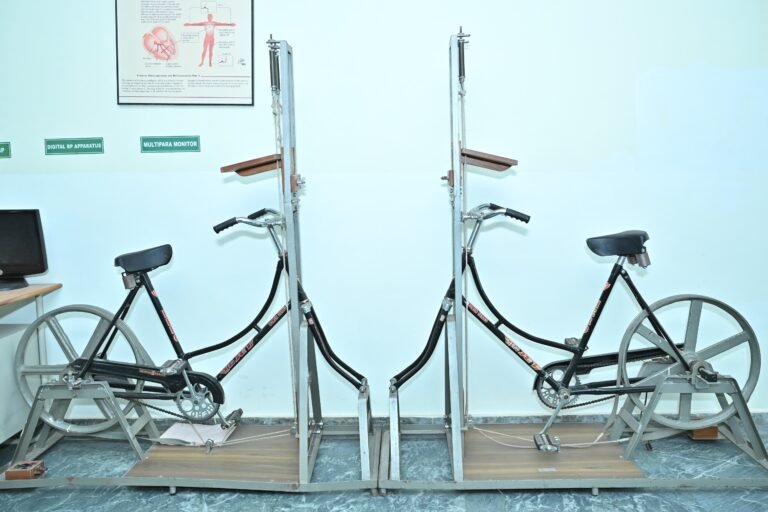
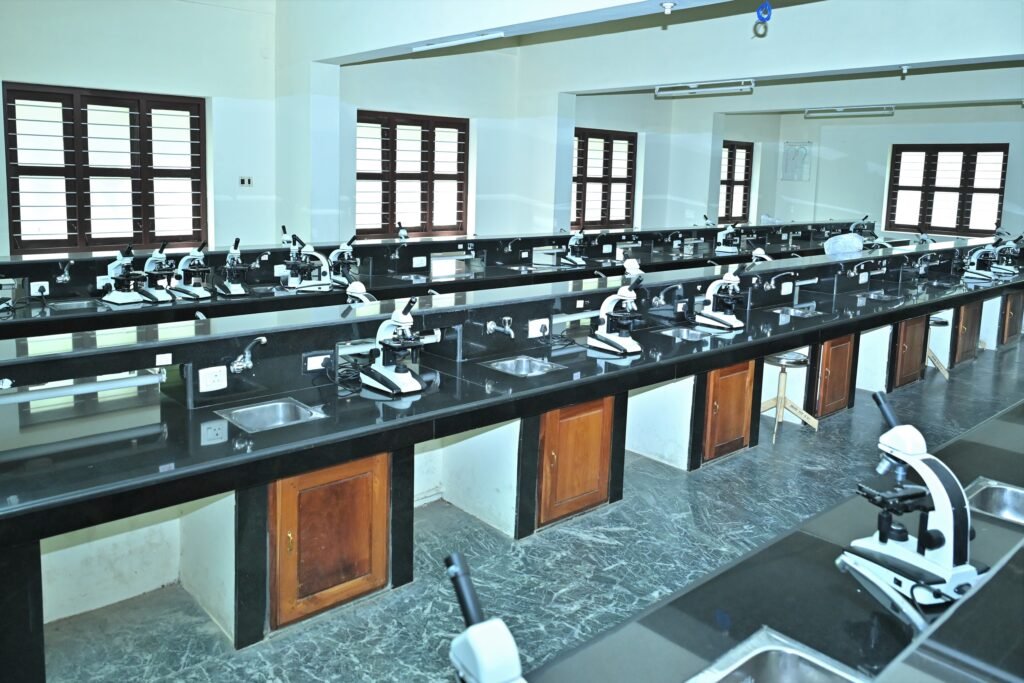
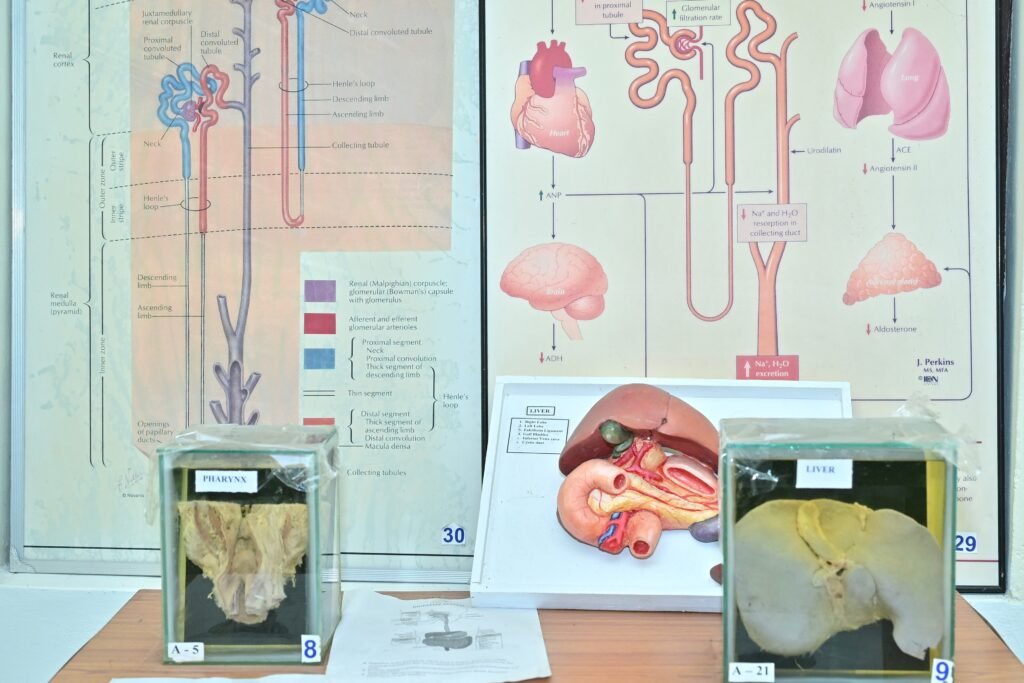
The department is equipped with modern facilities that support both teaching and practical learning. These include well-equipped lecture halls with audiovisual aids, demonstration rooms, and specialized laboratories such as haematology labs and clinical skill labs. Practical laboratories are furnished with instruments and equipment that allow students to perform experiments and observe physiological processes directly. Research laboratories and departmental libraries further enhance academic learning and research activities.
Academic Programme and Practical Training
The teaching programme in physiology includes both theoretical and practical components. Students attend lectures, tutorials, and seminars to build conceptual understanding. Practical sessions are an important part of the curriculum, where students perform experiments, record physiological parameters such as blood pressure and heart rate, and learn clinical examination techniques. These activities help students correlate theory with real-life applications and develop essential clinical skills.
Research and Learning Approach
The department encourages research and continuous learning among students and faculty. Students are motivated to participate in research projects and academic discussions, helping them develop analytical and critical thinking skills. Teaching methods focus on competency-based learning, ensuring that students acquire both knowledge and practical skills required for medical practice.
Conclusion
Physiology is a vital subject in medical education that provides a deep understanding of how the human body functions under normal conditions. By combining theoretical knowledge with practical training, it prepares students to understand disease mechanisms and apply this knowledge in clinical practice. It serves as a strong foundation for advanced medical studies and healthcare delivery.