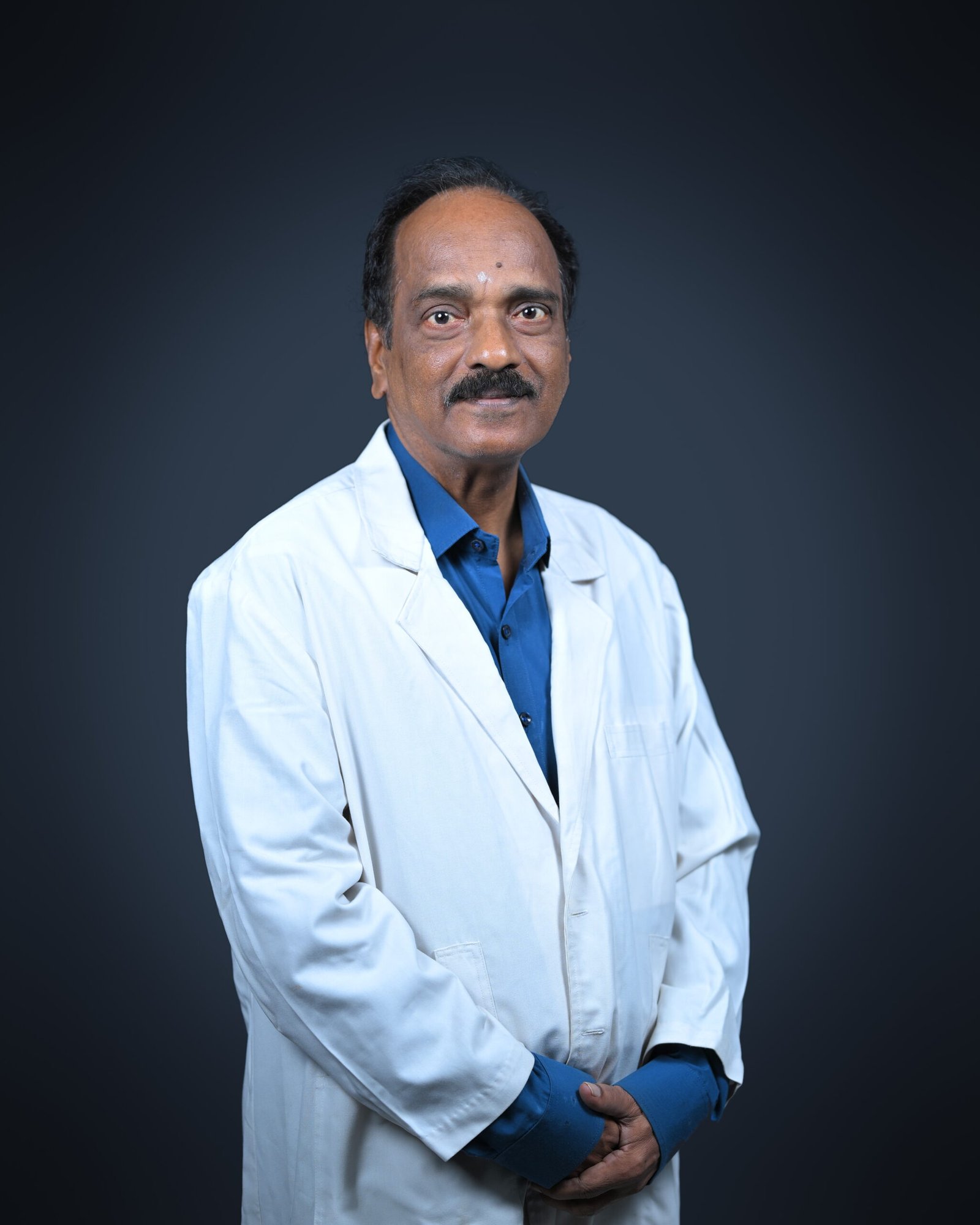
Dr. R. Nagendran
MBBS, MD . Professor & HOD
Overview
The Department of Biochemistry applies chemistry to understand biological processes at the cellular and molecular levels, striving for excellence in academics, research, and clinical services while nurturing scientific leadership in healthcare. With a focus on holistic and innovative teaching, the department fosters a collaborative learning environment where students study the molecular basis of life, the clinical significance of biochemical tests, and the principles of good laboratory practice. A team of highly capable and dedicated faculty, trained in medical education technologies and quality management systems, ensures strong academic support, mentorship, and high-quality laboratory standards.
Overview
The Department of Biochemistry applies chemistry to understand biological processes at the cellular and molecular levels, striving for excellence in academics, research, and clinical services while nurturing scientific leadership in healthcare. With a focus on holistic and innovative teaching, the department fosters a collaborative learning environment where students study the molecular basis of life, the clinical significance of biochemical tests, and the principles of good laboratory practice. A team of highly capable and dedicated faculty, trained in medical education technologies and quality management systems, ensures strong academic support, mentorship, and high-quality laboratory standards.
Dr. R. Nagendran
MBBS, MD . Professor & HOD
Overview
The Department of Biochemistry applies chemistry to understand biological processes at the cellular and molecular levels, striving for excellence in academics, research, and clinical services while nurturing scientific leadership in healthcare. With a focus on holistic and innovative teaching, the department fosters a collaborative learning environment where students study the molecular basis of life, the clinical significance of biochemical tests, and the principles of good laboratory practice. A team of highly capable and dedicated faculty, trained in medical education technologies and quality management systems, ensures strong academic support, mentorship, and high-quality laboratory standards.
Dr. R. Nagendran
MBBS, MD . Professor & HOD
Professor & HOD
Mission
To impart holistic and innovative education in Biochemistry that integrates molecular science with clinical relevance. To promote excellence in research, ethical laboratory practices, and quality-driven healthcare services.
Contact Information
Email id:
biochemistry@sreemookambikainstitute.com
Contact Information
Email id:
biochemistry@sreemookambikainstitute.com
Faculties
| S.No | Name | Designation |
|---|---|---|
| 1 | Dr. R Nagendran | Professor |
| 2 | Dr. Suganthy K | Professor |
| 3 | Dr. Mariappan Arumugam | Professor |
| 4 | Dr. Sumina Cherian | Associate Professor |
| 5 | Dr. Sumitha Prabhu P S | Assistant Professor |
| 6 | Dr. Reshma R R | Tutor |
| 7 | Dr. Noveen Krishna | Tutor |
| 8 | Dr. Arunjith A | Tutor |
| 9 | Dr. Bijoy B J | Tutor |
| 10 | Dr. Aneeta Lekshmi | Tutor |
| 11 | Dr. Mukesh Ramalingam Muthu Ramalingam | Tutor |
| 12 | Dr. Evanjalin Britto Robinson Gnana Sigamony | Tutor |
| 13 | Dr. Vidya Abraham | Tutor |
Introduction to Biochemistry
Biochemistry is a vital branch of medical science that deals with the study of chemical processes and substances that occur within living organisms. It forms a bridge between biology and chemistry, helping students understand the molecular basis of life. The department plays an important role in teaching undergraduate courses such as MBBS, BDS, Nursing, and laboratory technology, as well as postgraduate studies in biochemistry. Students are also encouraged to participate in research activities and apply for projects supported by organizations like the Indian Council of Medical Research (ICMR).
Objectives of Studying Biochemistry
The main objective of studying biochemistry is to provide students with a strong foundation in understanding the chemical composition and metabolic processes of the human body. It helps learners correlate biochemical reactions with physiological functions and disease conditions. Students develop analytical thinking and gain insight into how molecular changes can lead to disorders, thereby supporting diagnosis, treatment, and prevention in medical practice.
Academic Structure and Training
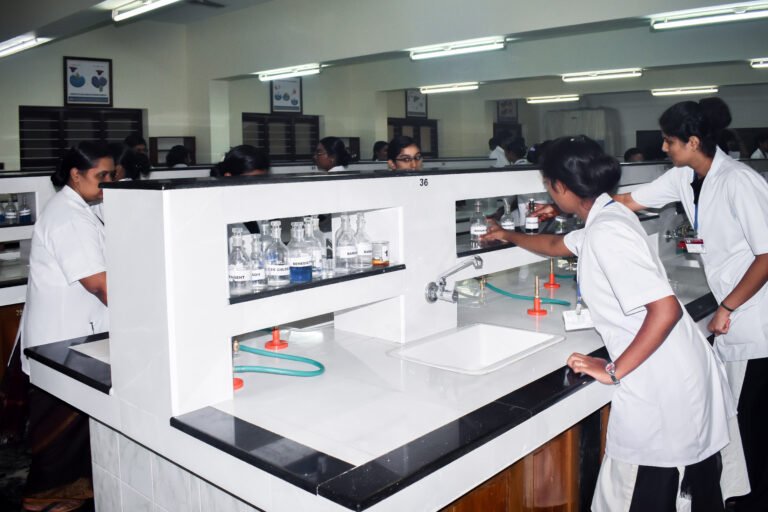
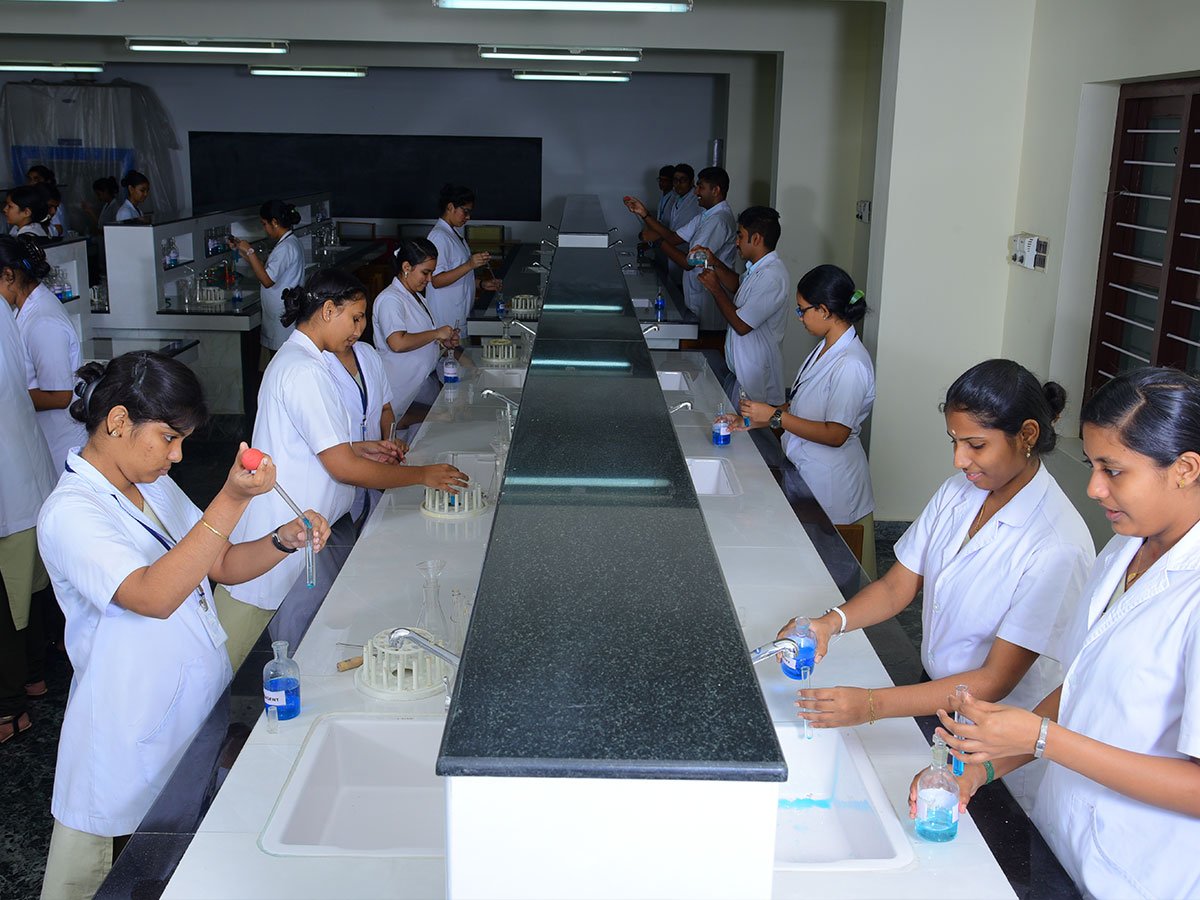
The department follows a structured academic program for both undergraduate and postgraduate students. Undergraduate teaching includes regular theory classes, practical sessions, monthly tests, and periodic internal assessments. Tutorials, group discussions, and seminars are conducted weekly to strengthen conceptual understanding. Postgraduate training includes advanced theory, practical work, case discussions, journal clubs, and research activities. Students are also exposed to clinical laboratories, enhancing their practical knowledge and diagnostic skills.
Facilities and Laboratory Infrastructure
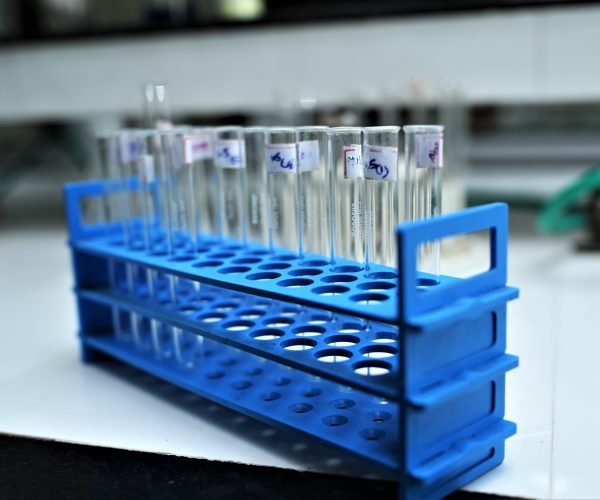
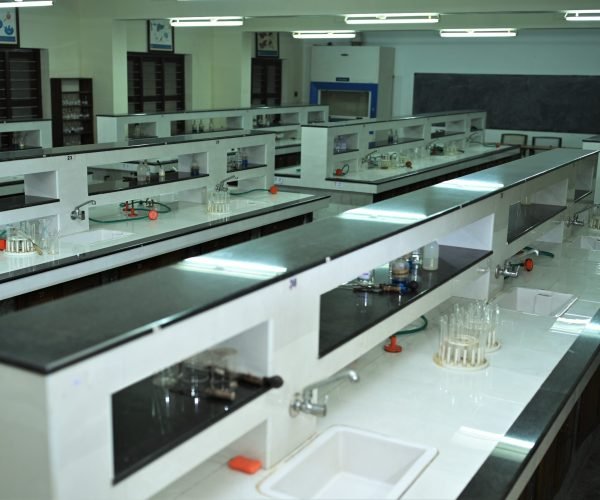
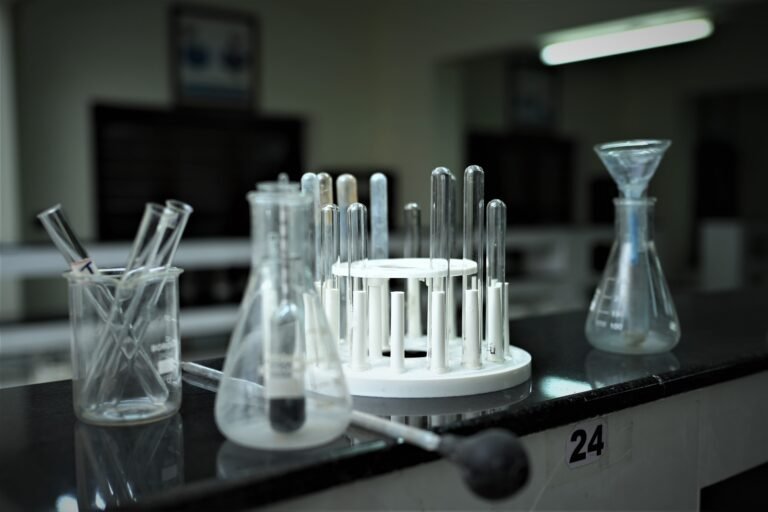
The department is well-equipped with modern instruments and facilities that support both teaching and research. These include advanced equipment such as centrifuges, spectrophotometers, incubators, and deep freezers, along with basic tools like microscopes and colorimeters. The infrastructure also consists of spacious undergraduate laboratories, research laboratories for postgraduate students, seminar rooms, demonstration rooms, departmental libraries, and a biochemistry museum. These facilities provide a comprehensive environment for effective learning and experimentation.
Research and Academic Resources
Research is an integral part of the department, with students and faculty actively engaged in scientific studies. The department provides access to a wide range of national and international journals, helping students stay updated with current developments in the field. Regular seminars, journal clubs, and research discussions promote academic growth and encourage evidence-based learning.
Conclusion
Biochemistry is essential for understanding the molecular mechanisms underlying health and disease. It equips students with the knowledge and skills required to interpret laboratory results, understand metabolic disorders, and apply biochemical principles in clinical practice. Overall, the subject serves as a strong foundation for advanced medical education and research.
- Department office as per NMC regulation
- Office Space for Teaching Faculty/residents
- Seminar Room with Internet facility, Audiovisual equipment- LCD projector, Over Head projector, screen
- List of Department specific laboratories - Clinical Biochemistry laboratory for Routine Biochemistry, hormone, tumor markers, vitamins assays etc .Undergraduate & Post graduate Practical Laboratory.
- Library facility pertaining to the Department – 190 books, 13 journals (30 online national & international journals)
- Departmental Research Lab with adequate equipments
- Departmental Museum: Models of biomolecules significance including molecular biology and Charts
1. SPECIALITY SERVICES
2. POST GRADUATE PROGRAMMES/ FELLOWSHIPS
MD Biochemistry
3. CMEs, CONFERENCES, WORKSHOPS, SEMINARS DONE IN THE DEPARTMENT
Teaching/Learning methods for Postgraduate students – All batches
Sensitization program on CBME MBBS curriculum by HOD – 2019 to 2024
4. MERITS AND OTHER ACHIEVEMENTS
Merits
Experienced Faculty: Highly qualified and experienced faculty members provide expert guidance to students and researchers.
Diverse Research Areas: Departments specialize in clinical biochemistry and special biochemistry assays, offering opportunities for UG – ICMR STS projects and PG dissertations.
Interdisciplinary Collaboration: Close collaboration with other departments fosters innovative research and knowledge exchange.
Educational Excellence: Offers high-quality UG and PG programs, preparing students for healthcare at national and international levels.
Achievements
Publication of Research Papers: Faculty and students publish regularly in indexed scientific journals.
Awards and Recognition: Faculty members have received awards and recognition for research papers; presented oral and poster sessions at National Conferences.
Community Outreach: In association with Community Medicine, faculty and PGs conduct outreach programs to educate and screen for DM and other diagnostic services of Clinical Biochemistry Laboratory.
Training and Mentorship: Provides training and mentorship to students and faculty in CBME and clinical biochemistry research.