
Diagnosis, prevention, surveillance.
Our Microbiology Department plays an important role in medical education by teaching students about microorganisms, infectious diseases and laboratory techniques. It develops the knowledge and practical skills required for accurate diagnosis and patient care, and supports clinicians with reliable laboratory services for the detection and identification of infectious agents.
The department contributes to infection prevention by identifying sources of infection and patterns of antimicrobial resistance. Through routine testing and surveillance, it supports public health activities, early detection of outbreaks and emerging infections — contributing significantly to education, patient care and community health.
Mission
To provide quality education and accurate diagnostic services in infectious diseases that support effective patient care, safe clinical practices, infection control and public health through disease surveillance and prevention.
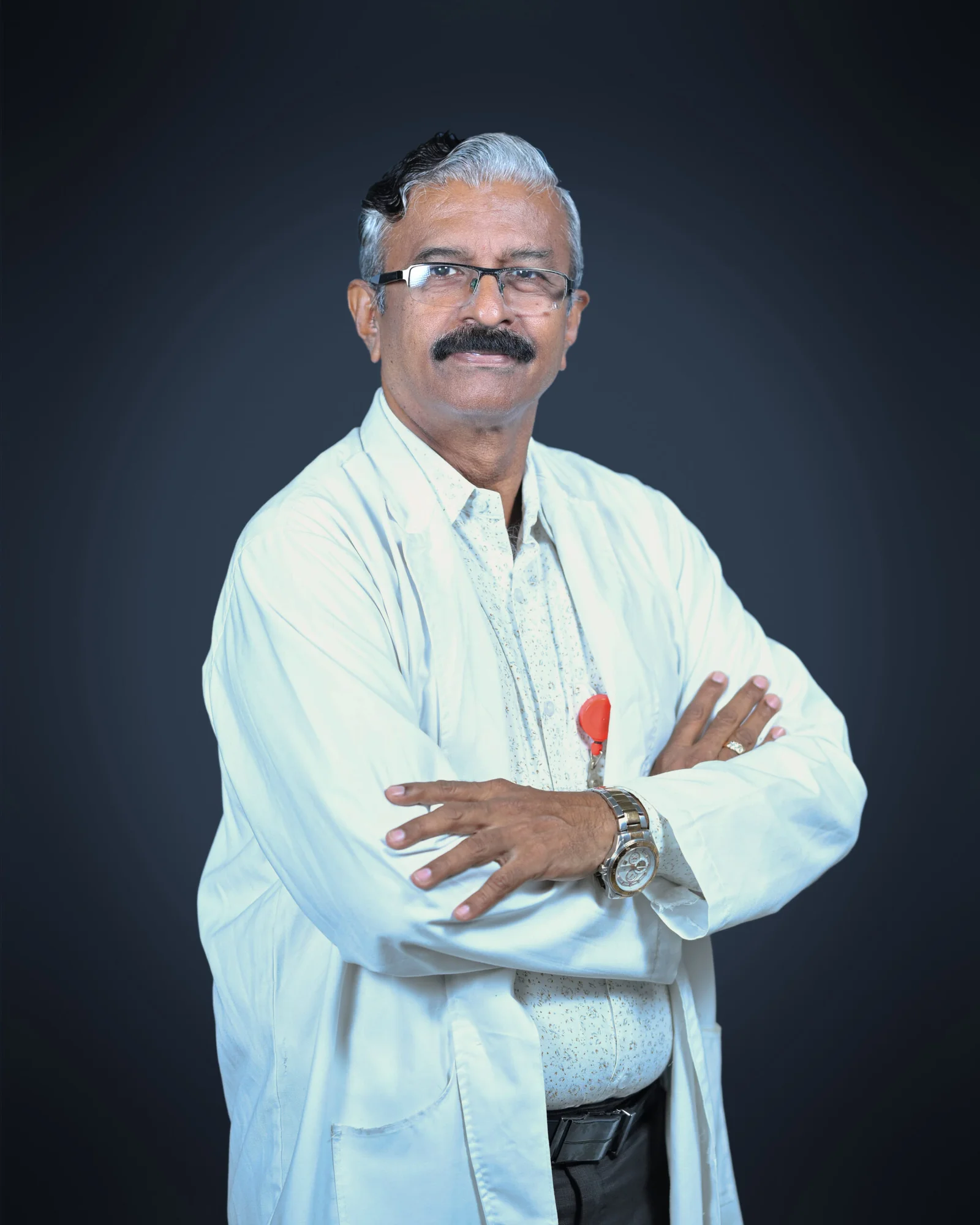
Leadership
Dr. R. Nepoleon
MBBS, MD — Professor & HOD
Role & Functions
From the lab bench to the community.
Diagnostic Services
Advanced laboratory diagnosis of infectious diseases.
Infection Control
OT sterility, disinfectant testing, hospital surveillance.
National Programmes
Active participation in TB control and antibiotic policy.
Public Health
Water bacteriology, biomedical waste management, outbreak detection.
Objectives
Why we study microbes.
- Understand microorganisms and their impact on human health
- Identify disease-causing organisms and modes of transmission
- Apply laboratory methods for accurate diagnosis
- Practice infection control measures
- Rational use of antibiotics in clinical practice
- Contribute to surveillance and outbreak response
Facilities
Built for teaching & diagnosis.
Lecture & Demo Rooms
AV-equipped teaching spaces.
Practical Laboratories
Microscopes and advanced microbiological equipment.
Diagnostic Lab
Automated blood culture, biosafety cabinets.
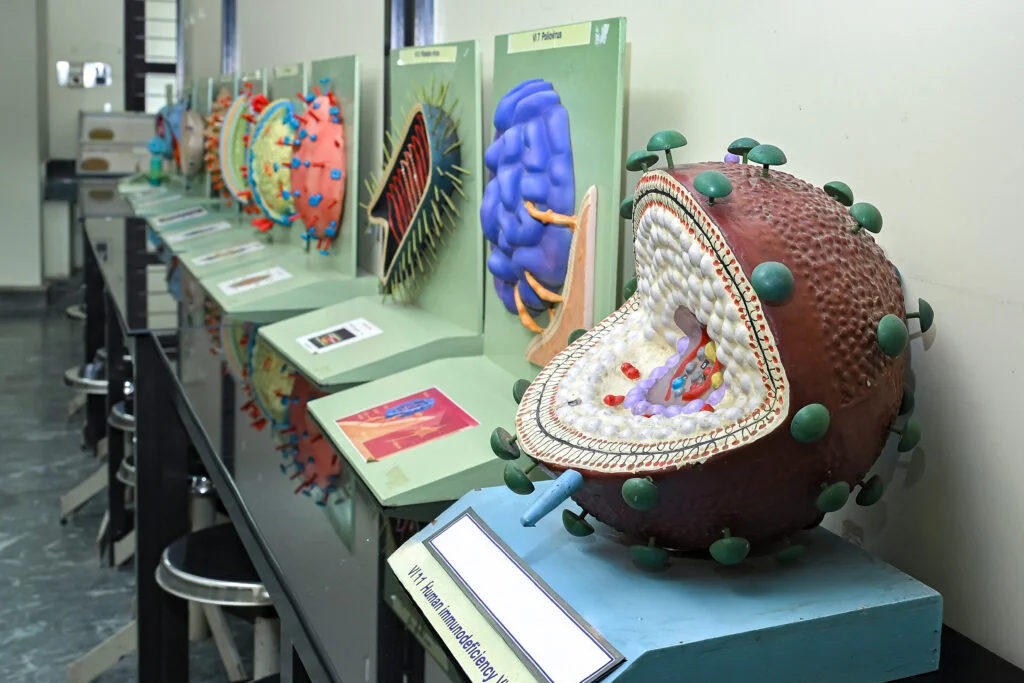
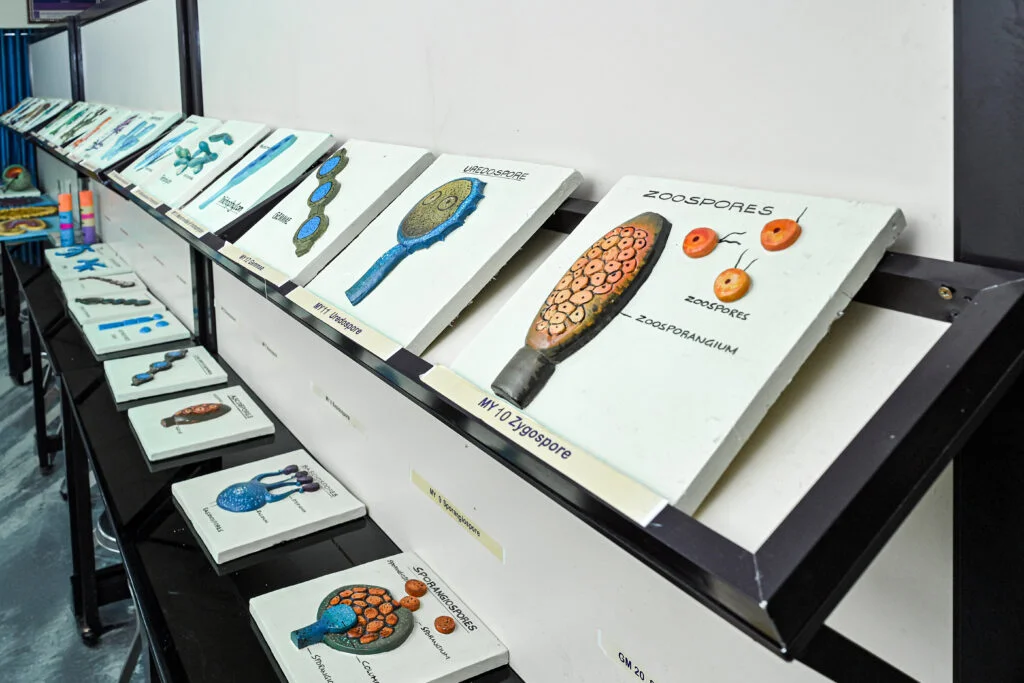
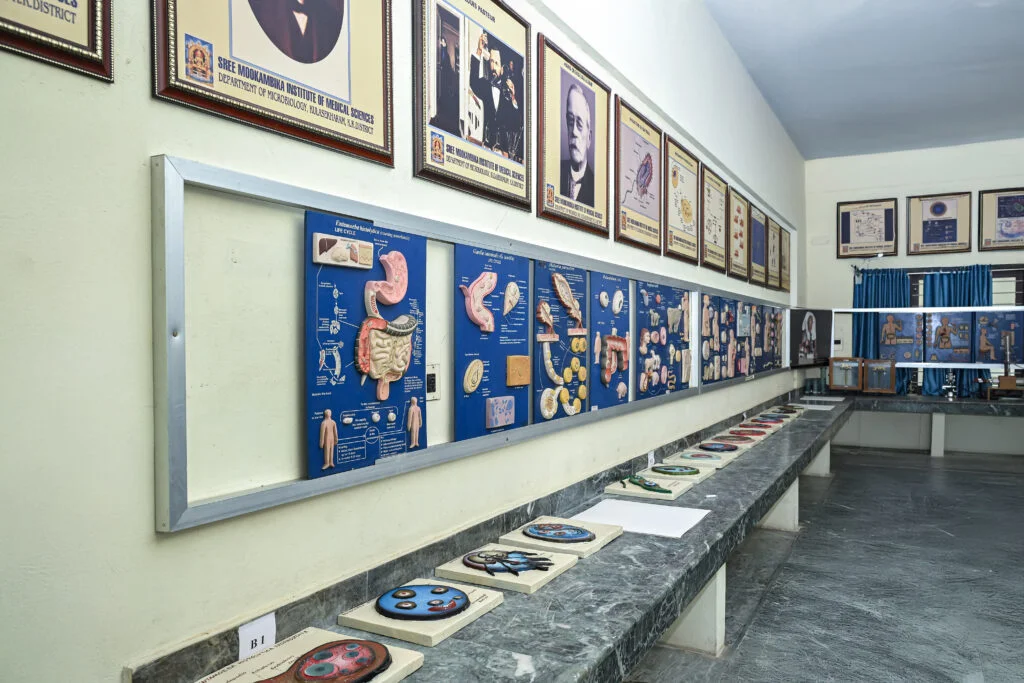
Museum & PG Section
Laminar flow, fluorescent microscopes, PCR, research lab.
Faculty
Our team of 12 educators.
| # | Name | Designation |
|---|---|---|
| 01 | Dr. Nepoleon | Professor |
| 02 | Dr. Beena Paul | Professor |
| 03 | Dr. Palaniappan N | Professor |
| 04 | Dr. Sreeja Nair | Associate Professor |
| 05 | Dr. Greesh Karunakaran | Associate Professor |
| 06 | Dr. N S Ravichandran | Assistant Professor |
| 07 | Dr. Jasmine Gnana Sutha John Kingsly | Senior Resident |
| 08 | Dr. Shiny Raja | Senior Resident |
| 09 | Dr. Haarish Kanna | Tutor |
| 10 | Dr. Ani Shibana Maria Silvaster | Tutor |
| 11 | Dr. Junu Vijay V S | Tutor |
| 12 | Dr. Sreejisha M | Tutor |
Academic & Training
Structured undergraduate and postgraduate training with theory, practical sessions and integrated learning. Recognised as a postgraduate training centre with advanced research opportunities.
Research & Public Health
Faculty and students engage in studies on infectious diseases and microbiological advancements, supporting infection control, hospital surveillance and disease prevention strategies.
Conclusion
Knowledge that protects communities.
By combining theoretical learning with practical laboratory experience, Microbiology prepares students to diagnose, prevent and control infections effectively — playing a key role in healthcare delivery and public health improvement.
microbiology@sreemookambikainstitute.com