Department of Medical Surgical Nursing
Identifying medical and surgical needs, building clinical mastery, and delivering holistic patient-centred care.
Where bedside skill meets clinical judgement
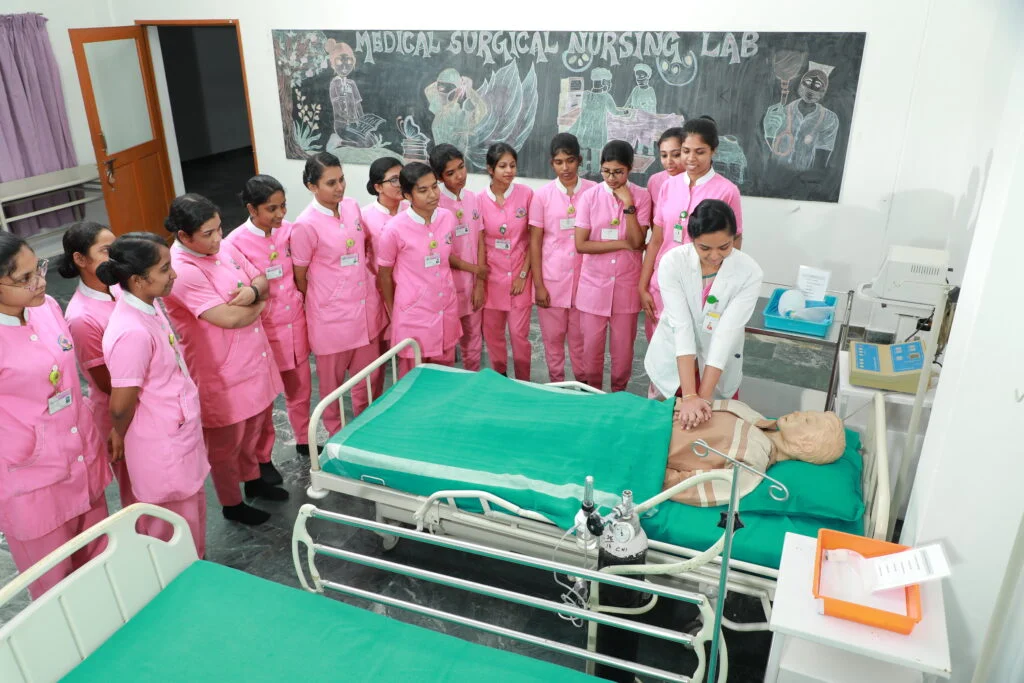
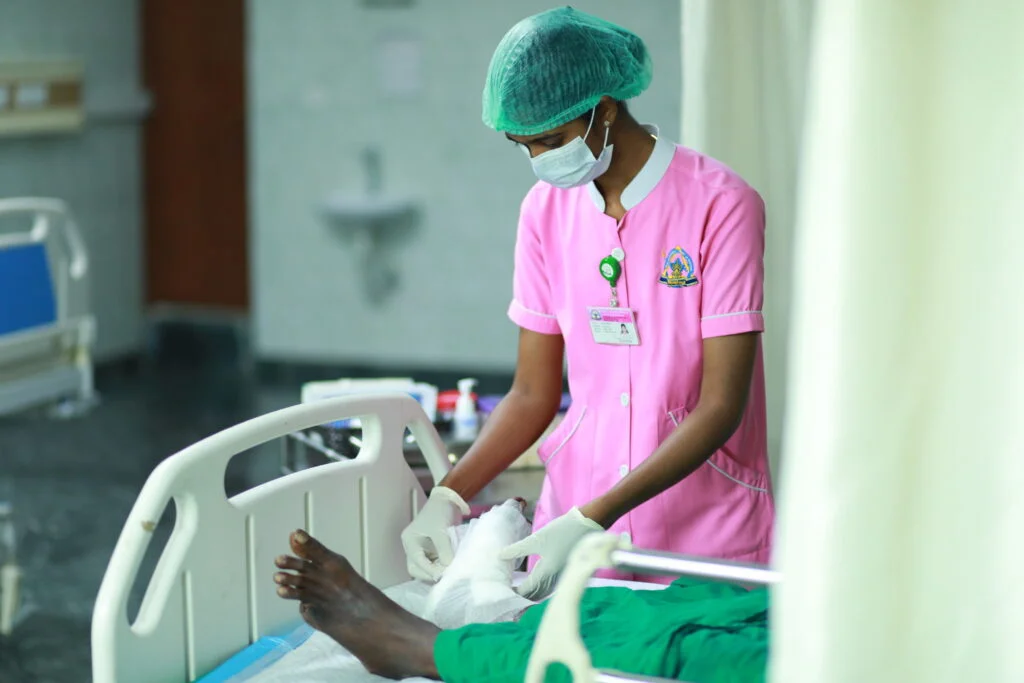
The III & IV Semester B.Sc Nursing students are trained in the General Medical Surgical Nursing department to identify the medical and surgical needs of patients who come for preventive and promotive health. Students gain first-class clinical experience across a wide range of medical and surgical conditions and access to the newer diagnostic and treatment modalities at Sree Mookambika Institute of Medical Sciences, situated on the same campus.
The Department of General Medicine and Surgery provides care for more than 20,000 patients annually and is one of the largest departments of this institution. The entire care team is committed to applying the latest knowledge and technology to render quality, holistic care.
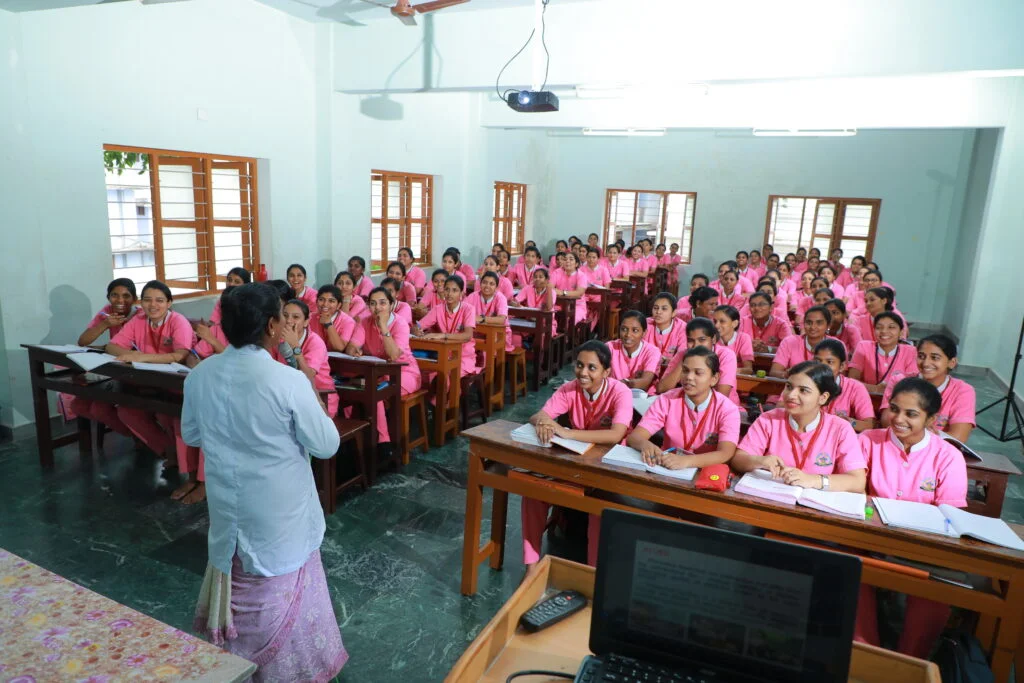
The department regularly participates in health camps where screening for various conditions is performed. III & IV Semester students complete 5 hours of clinical posting per day under supervision, with regular demonstrations, case presentations, individual and group health education, and drug and clinical presentations updating their knowledge and teaching skills.
What we set out to build in every student
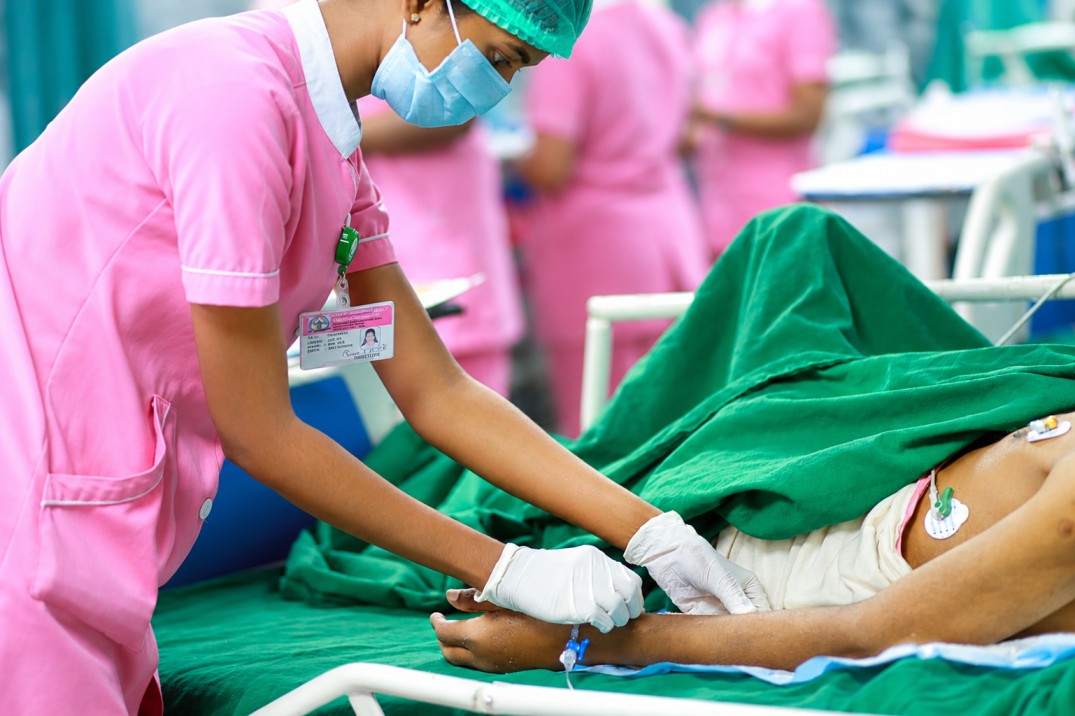
Clinical posting for III and IV Semester B.Sc (N) students develops competency across the breadth of medical and surgical practice — from systematic assessment and intervention to aseptic technique and pre-operative nursing care.
Assume responsibility and demonstrate competency in clinical procedures across varied clinical settings.
Learn a structured problem-solving approach to patient care during all phases of illness.
Understand the psychological mechanisms through which alterations in health occur and respond appropriately.
Assess health problems systematically and evaluate effectiveness of nursing interventions.
Perform aseptic procedures and assist in operations with strict adherence to safety protocols.
Practise nursing procedures related to medical and surgical conditions with confidence.
Building specialists, educators and leaders
The postgraduate programme in Nursing builds upon and extends competence acquired at the graduate level, emphasising the application of relevant theories into nursing practice, education, administration and the development of research skills.
The programme prepares nurses for leadership positions in nursing and health fields — functioning as nurse specialists, consultants, educators, administrators and researchers across a wide variety of professional settings — to meet national priorities and the changing needs of society.
The skills every graduate carries forward
Holistic health care delivery — especially to adults and the geriatric population.
Practice-based learning to build and refine clinical competencies.
Apply current evidence in everyday nursing decisions and interventions.
Develop effective interpersonal and communication skills with patients and teams.
Department in Action
Objectives & Focus