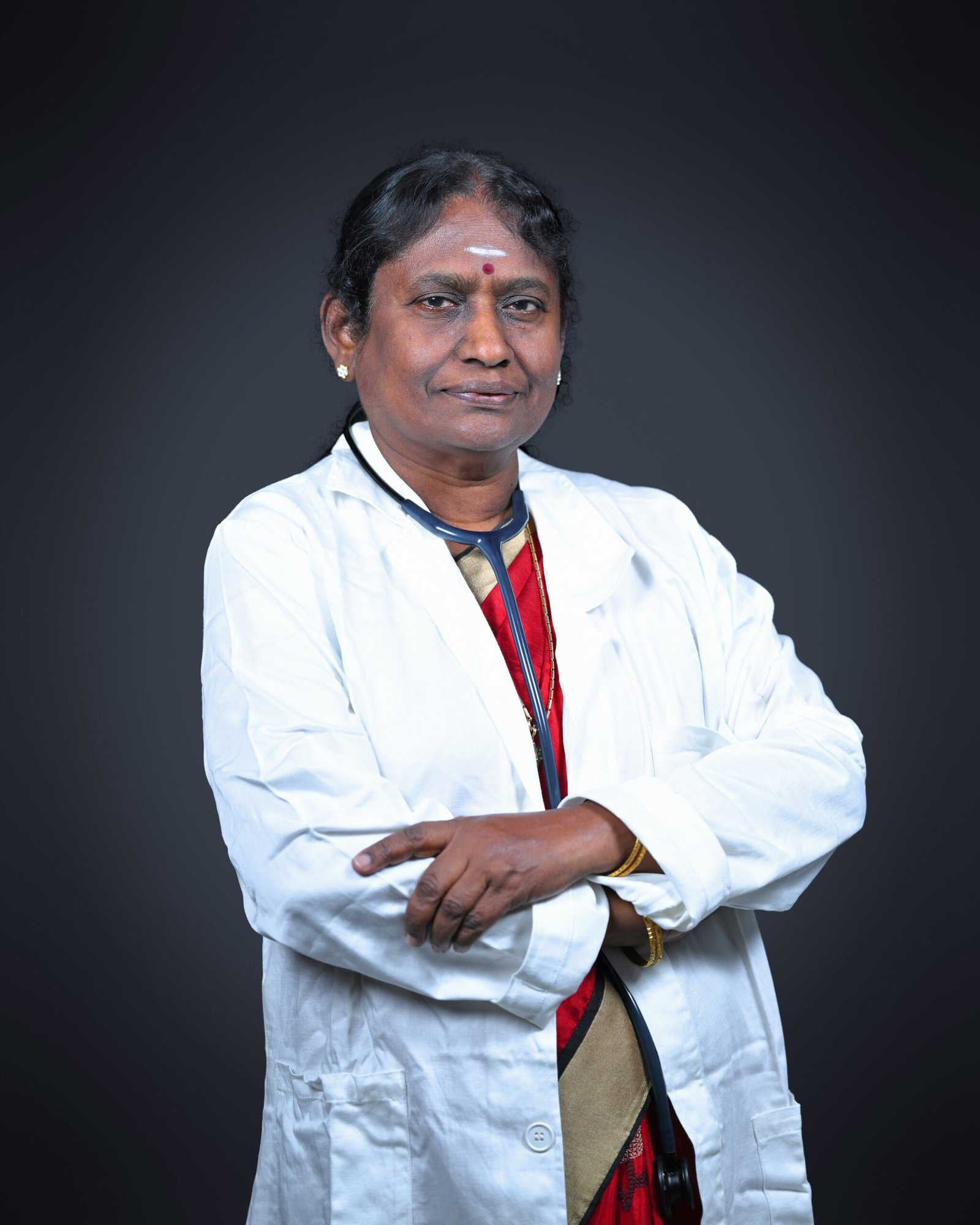
Dr Maheswari R
MS . Professor & HOD
Overview
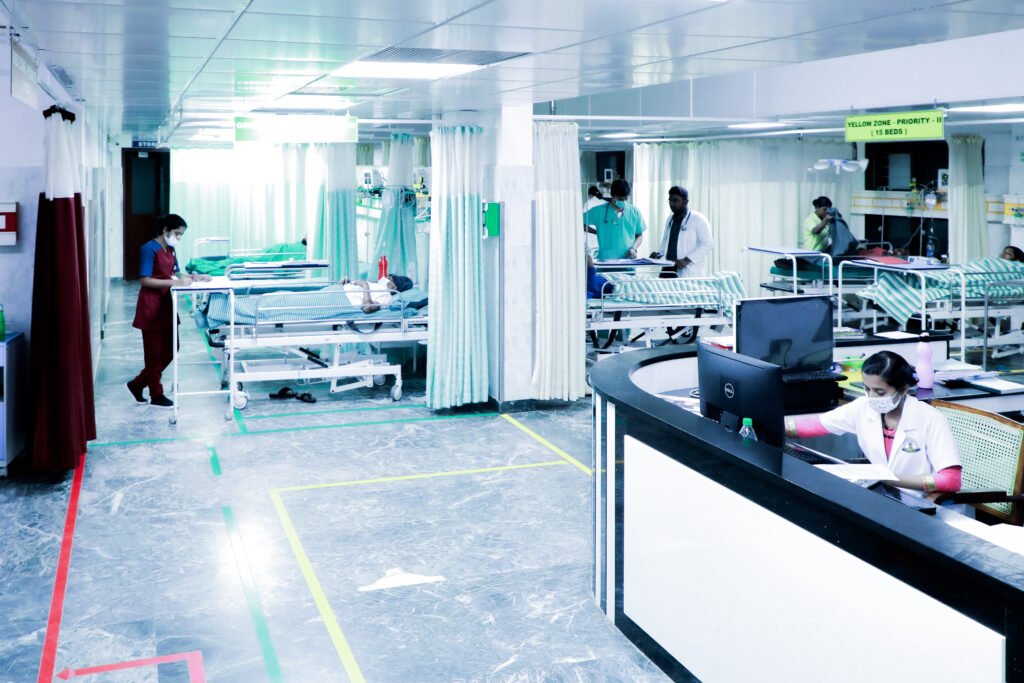
The Department of Emergency Medicine, upgraded from a 24-bedded Casualty to a 30-bedded facility in July 2021, functions round-the-clock with advanced equipment to handle all kinds of medical, surgical, and trauma emergencies. It houses 24 triage beds (Red Zone – 4, Yellow Zone – 15, Green Zone – 5), a 6-bedded Emergency ICU, and a fully equipped Modular OT. Supportive services include bedside X-ray, ultrasound, echocardiogram, CT, MRI, and laboratory facilities. A three-level triage system ensures timely prioritization and care during the golden hour. The department provides resuscitation, stabilization, pain management, and disaster response with a dedicated trauma team comprising surgeons, orthopaedicians, anaesthesiologists, and radiologists available 24×7. Staffed by trained physicians, nurses, and paramedics, the unit offers rapid, high-quality emergency care for adults, geriatrics, and children — from minor injuries to critical conditions.
Overview
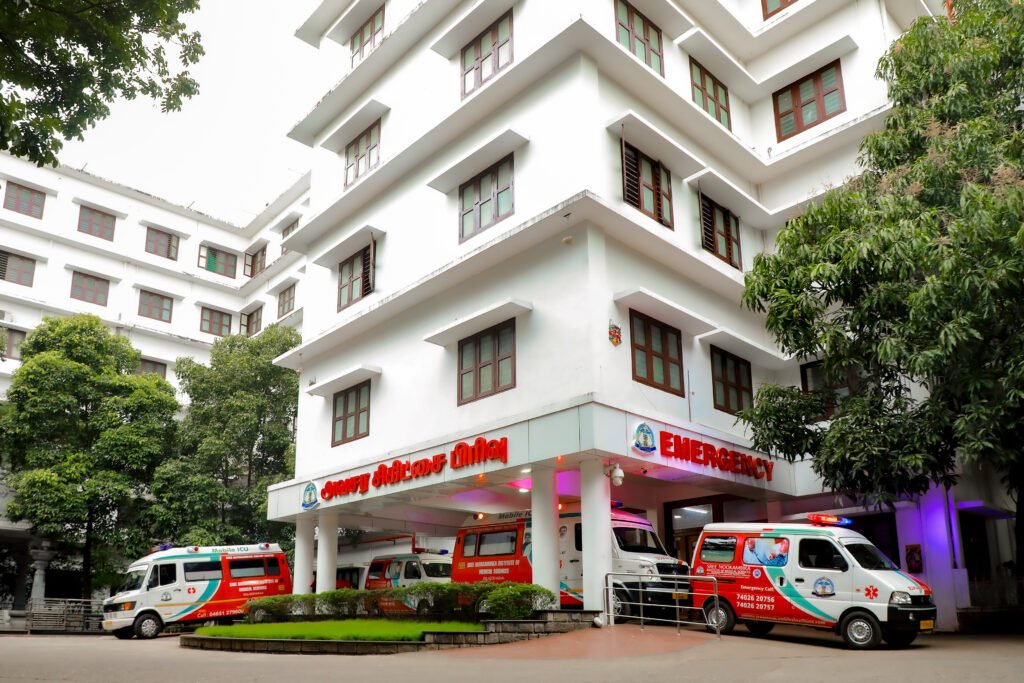
The Department of Emergency Medicine at Sree Mookambika Institute of Medical Sciences (SMIMS) is one of the most advanced emergency care facilities in Kanyakumari district, providing comprehensive 24×7 emergency, trauma, and critical care services. Originally functioning as a 24-bedded casualty, the department was upgraded to a modern 30-bedded Emergency Department in July 2021 to meet the growing demand for high-quality emergency services in the region. The facility is designed to manage the entire spectrum of medical emergencies, from minor injuries to life-threatening trauma and critical illnesses. The department includes 24 triage beds (Red Zone – 4, Yellow Zone – 15, Green Zone – 5), a 6-bedded Emergency ICU, and a fully equipped Modular Emergency Operation Theatre, enabling rapid resuscitation, stabilization, and emergency procedures during the golden hour. Supported by bedside X-ray, ultrasound, echocardiography, CT, MRI, and advanced laboratory services, the department ensures fast diagnosis and timely intervention for critically ill patients.
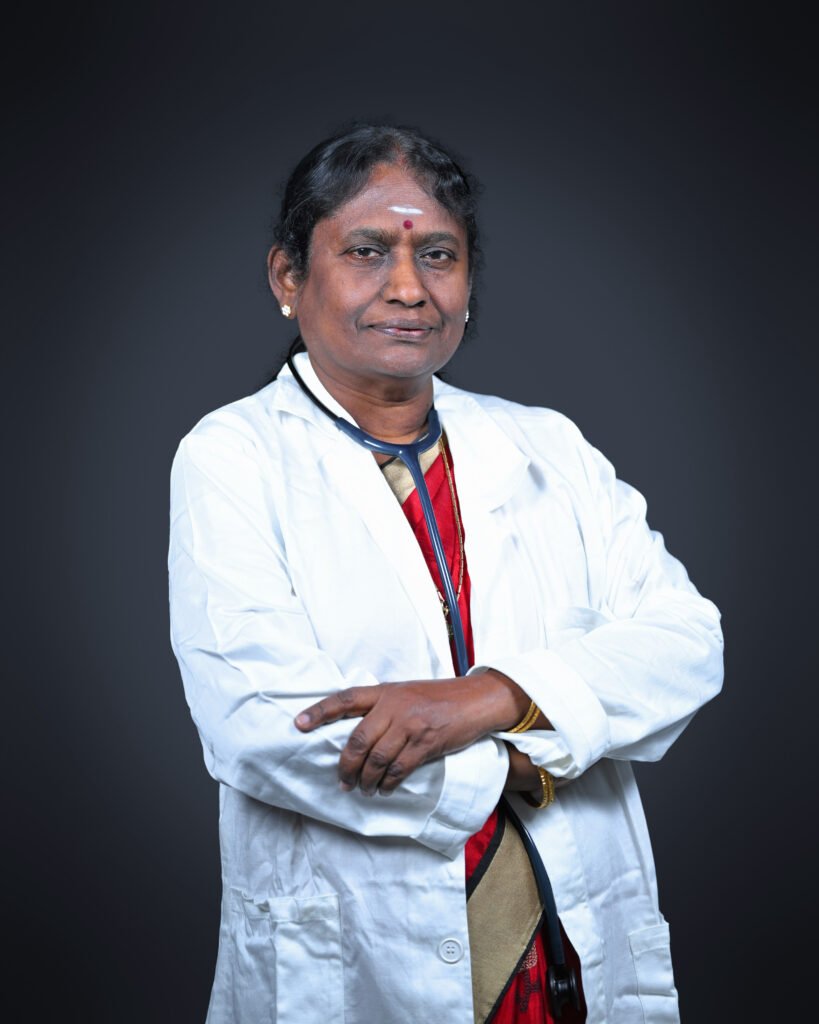
Dr Maheswari R
Ms . Professor & HOD
Overview
The Department of Emergency Medicine, upgraded from a 24-bedded Casualty to a 30-bedded facility in July 2021, functions round-the-clock with advanced equipment to handle all kinds of medical, surgical, and trauma emergencies. It houses 24 triage beds (Red Zone – 4, Yellow Zone – 15, Green Zone – 5), a 6-bedded Emergency ICU, and a fully equipped Modular OT. Supportive services include bedside X-ray, ultrasound, echocardiogram, CT, MRI, and laboratory facilities. A three-level triage system ensures timely prioritization and care during the golden hour. The department provides resuscitation, stabilization, pain management, and disaster response with a dedicated trauma team comprising surgeons, orthopaedicians, anaesthesiologists, and radiologists available 24×7. Staffed by trained physicians, nurses, and paramedics, the unit offers rapid, high-quality emergency care for adults, geriatrics, and children — from minor injuries to critical conditions.
Dr Maheswari R
Ms . Professor & HOD
Professor & HOD
Mission
To deliver timely, high-quality, and compassionate emergency care through rapid triage, advanced technology, and a dedicated multidisciplinary team, ensuring optimal outcomes during the golden hour for patients of all ages.
Contact Information
Email id:
emergencymedicine@sreemookambikainstitute.com
Faculties
| S.No | Name | Designation |
|---|---|---|
| 1 | Dr. Maheswari R | Professor |
| 2 | Dr. Ravishankar V | Professor |
| 3 | Dr. Befin Kezhson | Associate Professor |
| 4 | Dr. Sivakumar Krishnasamy | Associate Professor |
| 5 | Dr. Mislvao Glady Louis | Assistant Professor |
| 6 | Dr. Bindhya Ponnuchamy | Senior Resident |
| 7 | Dr. Prince P J | Senior Resident |
| 8 | Dr. Namasivayam Thanu | Senior Resident |
| 9 | Dr. Raja Ganapathi Kathamuthu | Senior Resident |
| 10 | Dr. Afsal A Sathar | Senior Resident |
| 11 | Dr. Jittu Alex | Senior Resident |
| 12 | Dr. Pandi Prakash Sakthivel | Senior Resident |
| 13 | Dr. Sujil S | Senior Resident |
| 14 | Dr. Kiran Sreekandan | Senior Resident |
| 15 | Dr. Kolagani Vaishnavi | Junior Resident |
| 16 | Dr. Subramonia Subin C | Junior Resident |
| 17 | Dr. Sharath Chandra Kosal Ram Amuda | Junior Resident |
| 18 | Dr. Gowsalya Saravanan | Junior Resident |
| 19 | Dr. K Abdul Muhymin | Junior Resident |
| 20 | Dr. Sivakumar | Junior Resident |
| 21 | Dr. Annam Karthika | Junior Resident |
| 22 | Dr. Ramachandradurai Sundaravadivelu | Junior Resident |
| 23 | Dr. Sai Janani Kumar | Junior Resident |
1. SPECIALITY SERVICES
Medicine / Surgery/ Orthopaedics/ Paediatrics /OBG / Pulmonology/ Dermatology/ENT / Ophthalmology/ Cardiology/ Neurology/ Nephrology /Radiation Oncology / Surgical Oncology/CardioThoracic / Urology /OFMS / Psychiatry/ Medical and Surgical Gastroenterology
2.PROCEDURE
Expertise in Airway - Invasive and Non Invasive
Central Venous Catheterisation, Dialysis catheter insertion , Emergency Thoracocentesis , Pleurocentesis , Pericardiocentesis , Intra Arterial BP monitoring , POCUS , EFAST , Suprapubic Catheterisation ,Abdominocentesis , Nasogastric Tube insertion , Foleys Catheterisation , Suturing and splinting Techniques , Procedural sedation and Acute Pain Management , Defibrillation and cardioversion , Cardiac and Stroke Thrombolysis , Gastric Lavage , Foreign body removal ,
3. POST GRADUATE PROGRAMMES/ FELLOWSHIPS
Post Graduate in EMERGENCY MEDICINE
4. CMEs, CONFERENCES, WORKSHOPS, SEMINARS DONE IN THE DEPARTMENT
Conducted at regular intervals
5. MERITS AND OTHER ACHIEVEMENTS
NABH Accreditation
Paper publications in state and national conferences
Triage and Emergency Response System
The department follows a three-level triage system to ensure immediate prioritization of critically ill patients.
- Red Zone – Life-threatening emergencies requiring immediate resuscitation
- Yellow Zone – Urgent conditions requiring rapid medical attention
- Green Zone – Stable patients with minor injuries or illnesses
This triage system ensures that patients receive appropriate care at the right time, particularly during the critical golden hour of trauma and stroke management.
Emergency Response Systems:
The Department of Emergency Medicine plays a central role in coordinating hospital-wide emergency response systems to ensure rapid and effective management of critical situations.
Code Blue Response Team :
Activated for cardiac or respiratory arrest within the hospital. The emergency team responds immediately with advanced resuscitation equipment and trained personnel to provide cardiopulmonary resuscitation (CPR), defibrillation, airway management, and advanced life support.
Code Yellow Response :
Activated during internal emergencies or disaster situations requiring coordinated hospital response. The Emergency Department works with clinical and support teams to manage patient triage, resource allocation, and rapid mobilization of staff during mass casualty or crisis situations.
Emergency Trauma Team:
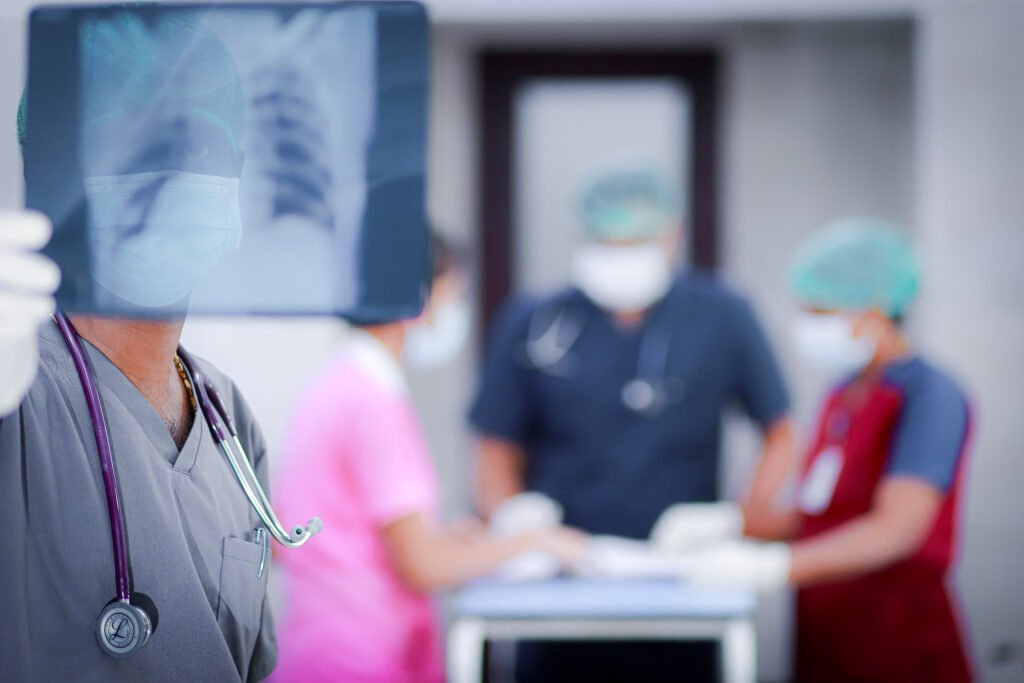
The Emergency Department at Sree Mookambika Institute of Medical Sciences (SMIMS) is supported by a dedicated multidisciplinary trauma team available 24×7 to manage severe trauma and polytrauma cases.
The team includes specialists from:
- Emergency Medicine
- Orthopaedics
- Neurosurgery
- Anaesthesiology
- Radiology
This coordinated team approach ensures rapid assessment, stabilization, imaging, and definitive management of trauma patients during the critical golden hour. The trauma team works closely with the Emergency ICU, Operation Theatre complex, and advanced imaging services to provide timely, life-saving interventions for road traffic accidents, head injuries, spinal trauma, and other major emergencies.
Stroke and Myocardial Infarction (MI) Emergency Care
The Department of Emergency Medicine at SMIMS provides rapid evaluation and treatment for acute stroke and myocardial infarction (heart attack), where timely intervention is critical for saving life and preventing disability.
The emergency team follows time-sensitive treatment protocols to ensure early diagnosis and immediate management during the golden hour.
Key services include:
- Rapid stroke assessment and neurological evaluation
- Emergency CT and MRI imaging for stroke diagnosis
- Stroke thrombolysis for eligible patients
- Immediate ECG and cardiac biomarker evaluation for myocardial infarction
- Cardiac thrombolysis and rapid activation of the Cath Lab for primary angioplasty
- Continuous cardiac and neurological monitoring in critical care units
The Emergency Department works in close coordination with Neurology, Cardiology, Radiology, and Critical Care teams to ensure fast decision-making and optimal outcomes for patients presenting with acute stroke and heart attack.
Advanced Emergency Procedures
The department is equipped to perform a wide range of life-saving bedside procedures, including:
- Advanced airway management (invasive and non-invasive ventilation)
- Central venous catheterization and dialysis catheter insertion
- Invasive arterial blood pressure monitoring
- Emergency thoracocentesis and pleurocentesis
- Pericardiocentesis
- Abdominocentesis and suprapubic catheterization
- Nasogastric tube insertion and urinary catheterization
- Procedural sedation and acute pain management
- Defibrillation and synchronized cardioversion
- Cardiac and stroke thrombolysis
- Gastric lavage for poisoning cases
- Foreign body removal and wound management
- Suturing, splinting, and trauma stabilization
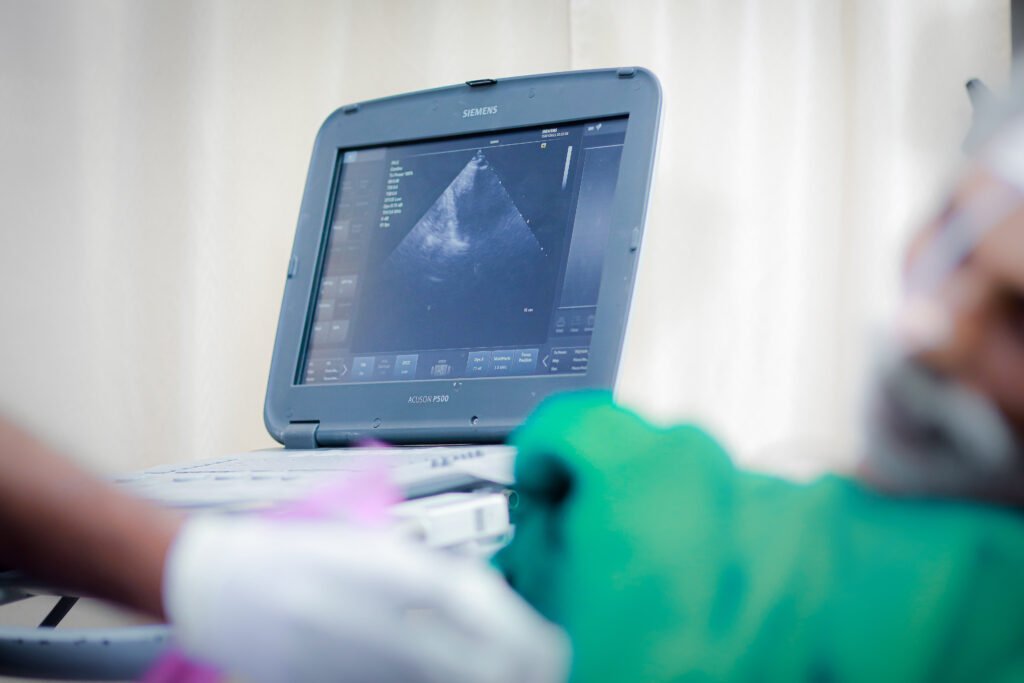
Point-of-care diagnostic techniques such as POCUS and EFAST ultrasound are routinely used for rapid trauma evaluation.
Point-of-Care Ultrasound (POCUS) and EFAST
The Department of Emergency Medicine at Sree Mookambika Institute of Medical Sciences (SMIMS) utilizes Point-of-Care Ultrasound (POCUS) as a rapid bedside diagnostic tool to assist in the immediate evaluation of critically ill and trauma patients. Performed directly by trained emergency physicians, POCUS allows real-time assessment and guides life-saving clinical decisions without delay.
A key application of bedside ultrasound is the Extended Focused Assessment with Sonography in Trauma (EFAST) examination, which is routinely used in the emergency department for rapid assessment of trauma patients. EFAST helps detect:
- Internal bleeding in the abdomen (hemoperitoneum)
- Fluid around the heart (pericardial effusion)
- Pleural fluid or hemothorax
- Pneumothorax (collapsed lung)
POCUS is also used for several emergency procedures and clinical assessments including:
- Guidance for central venous catheter placement
- Evaluation of cardiac function and shock states
- Assessment of lung conditions such as pleural effusion or pneumothorax
- Identification of abdominal emergencies and free fluid
- Assistance during emergency resuscitation
The integration of POCUS and EFAST in emergency care enables rapid diagnosis, improved procedural safety, and faster life-saving interventions, particularly during trauma management and critical care situations.
Toxicology Services
The Department of Emergency Medicine provides specialized care for toxicological emergencies, managing a wide range of poisoning and envenomation cases with rapid stabilization and evidence-based treatment protocols.
The department is equipped to manage:
- Poisoning and drug overdose
- Snake bites and envenomation
- Chemical and household toxin exposure
- Food poisoning and toxic ingestions
- Alcohol and substance-related emergencies
Emergency physicians are trained in rapid toxicological assessment, gastric decontamination procedures, antidote administration, and advanced supportive care. The department works closely with intensive care units and other specialties to ensure timely stabilization and monitoring of critically ill patients.
Prompt triage, early resuscitation, and continuous monitoring help improve outcomes in acute toxicological emergencies
Multidisciplinary Emergency Care
Emergency care at SMIMS is delivered through close collaboration with multiple specialties, ensuring comprehensive and coordinated management of critically ill patients.
Specialties involved include:
- General Medicine
- General Surgery
- Orthopaedics
- Neurosurgery
- Pediatrics
- Obstetrics & Gynaecology
- Pulmonology
- Cardiology
- Neurology
- Nephrology
- Oncology
- Cardiothoracic Surgery (CTVS)
- Urology
- Oral and Maxillofacial Surgery (OMFS)
- Psychiatry
- Gastroenterology
This multidisciplinary approach ensures rapid consultation, timely intervention, and comprehensive emergency care for patients of all age groups, including pediatric, adult, and geriatric populations.
Infrastructure and Facilities
The Emergency Department is equipped with modern infrastructure designed for rapid diagnosis and life-saving interventions.
Key facilities include:
- 30-bedded Emergency Department
- 6-bedded Emergency ICU
- Dedicated Modular Emergency Operation Theatre
- Advanced patient monitoring systems
- Defibrillators and ventilators
- Bedside ultrasound and echocardiography
- Bedside digital X-ray services
- Immediate access to CT, MRI, and laboratory services
- Fully equipped crash carts and resuscitation units
Academic Activities
The Department of Emergency Medicine plays an active role in medical education, skill development, and clinical training.
The department offers:
- Postgraduate training in Emergency Medicine (3 seats)
- B.Sc Emergency Medical Technology program, training students in emergency care, trauma management, and life-saving procedures
- Training programs for MBBS students, nursing staff, and paramedical personnel
- Regular clinical discussions, simulation-based training sessions, and emergency drills
Daily clinical debriefings, morbidity discussions, and audit meetings are conducted to promote continuous quality improvement, patient safety, and evidence-based emergency care practices.
Commitment to Emergency Care
The Department of Emergency Medicine at SMIMS is committed to delivering rapid, efficient, and high-quality emergency care, ensuring that every patient receives timely treatment during critical situations.
With advanced infrastructure, skilled emergency physicians, and multidisciplinary support, the department continues to serve as a trusted emergency care center for the people of Kanyakumari district and surrounding regions.