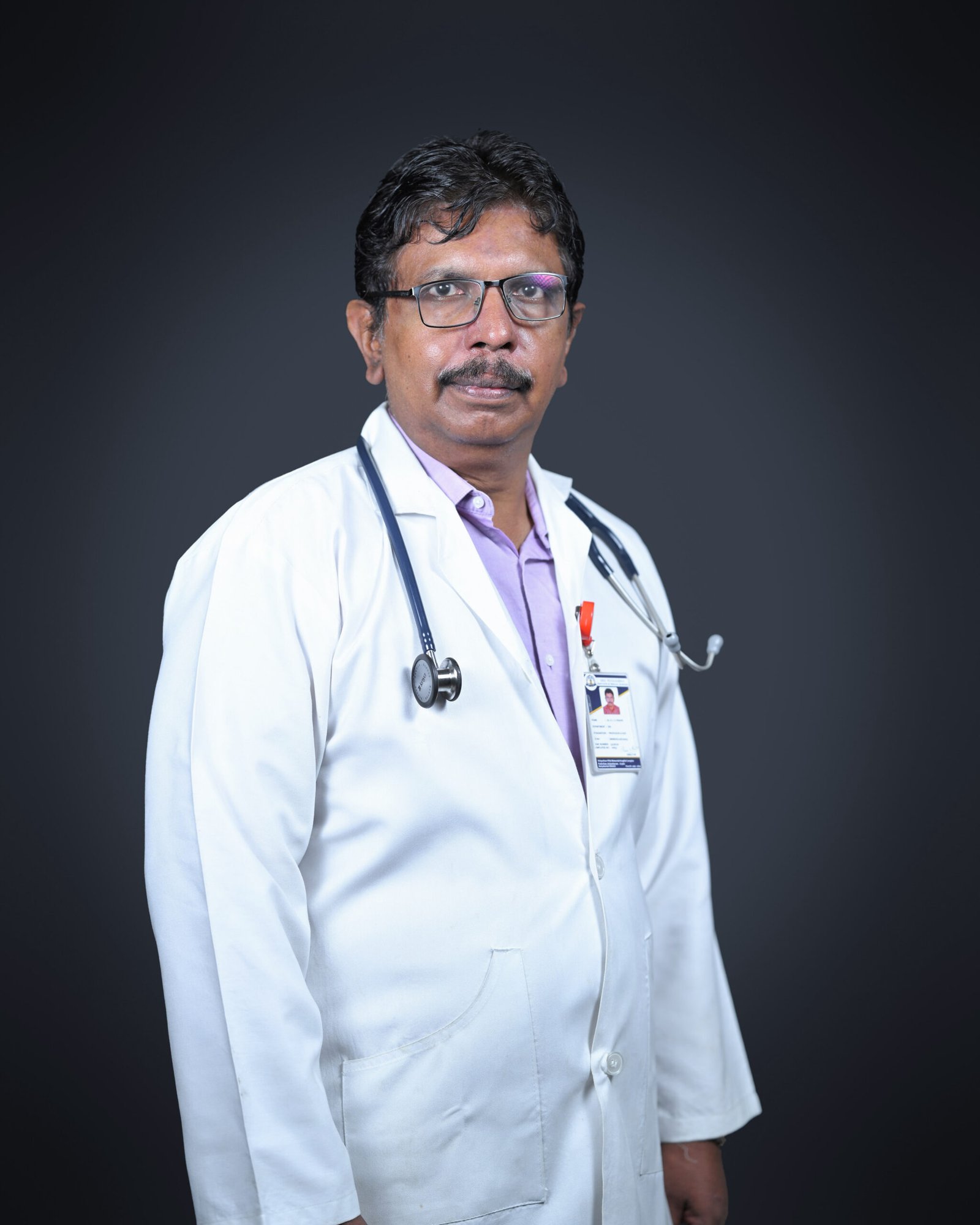
Dr. Pravin Azariah Johnson Samuel
MBBS, MD . Professor & HOD
Overview
The Department of Dermatology, Venereology, and Leprosy is dedicated to excel in patient care, education, and research. With a team of experienced and compassionate faculty members, post graduates and staffs, we offer comprehensive diagnosis and treatment of a wide range of skin, hair, nail disorders including various cosmetological procedures, sexually transmitted diseases and Leprosy. Our Institution gets patients from the whole of Kanyakumari district and neighbouring districts. We are well equipped with good outpatient and inpatient facilities. Cases of Leprosy are identified and notified to Deputy Director of Medical and Rural Health Services and Family Welfare in accordance with NLEP. Field visits and outreach activities are planned by the management accordingly at regular intervals for benefit of the rural population.
Overview
The Department of Dermatology, Venereology, and Leprosy is dedicated to excel in patient care, education, and research. With a team of experienced and compassionate faculty members, post graduates and staffs, we offer comprehensive diagnosis and treatment of a wide range of skin, hair, nail disorders including various cosmetological procedures, sexually transmitted diseases and Leprosy. Our Institution gets patients from the whole of Kanyakumari district and neighbouring districts. We are well equipped with good outpatient and inpatient facilities. Cases of Leprosy are identified and notified to Deputy Director of Medical and Rural Health Services and Family Welfare in accordance with NLEP. Field visits and outreach activities are planned by the management accordingly at regular intervals for benefit of the rural population.
Dr. Pravin Azariah Johnson Samuel
MBBS, MD . Professor & HOD
Professor & HOD
Mission
To deliver compassionate, ethical, and comprehensive dermatological care through excellence in clinical services, education, and research; to advance the prevention, early detection, and effective management of skin, hair, nail disorders, sexually transmitted diseases, and leprosy; and to serve the community through quality patient care, adherence to national health programs
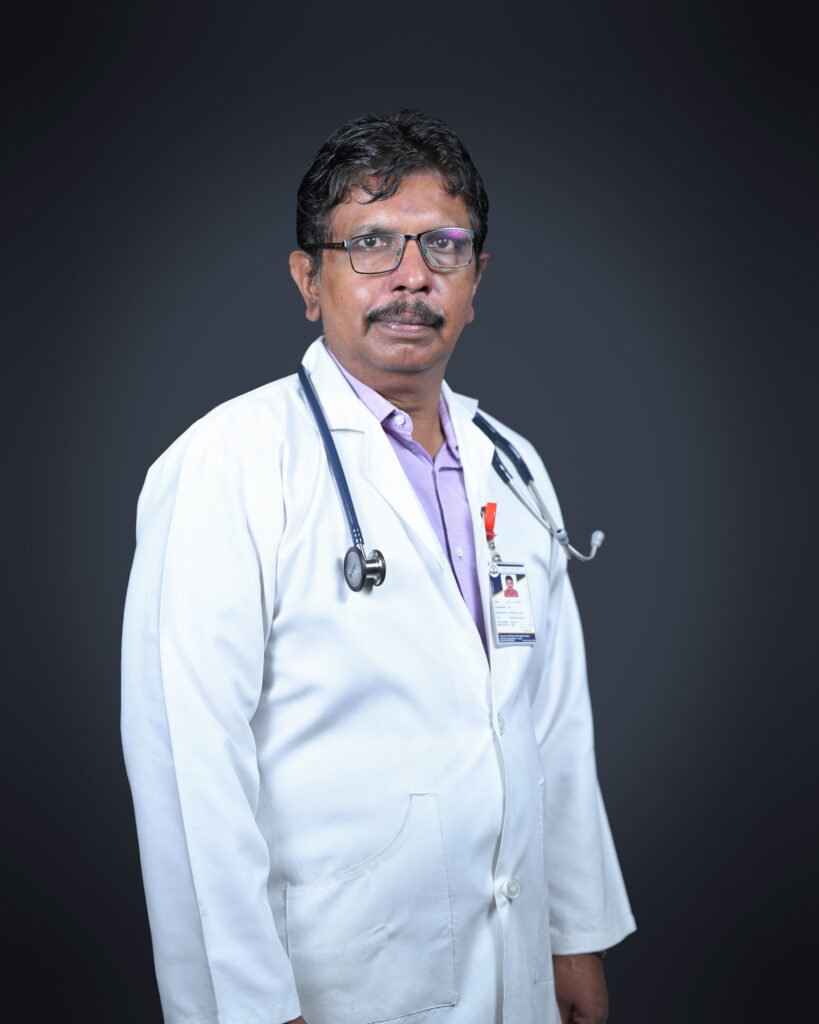
Dr. Pravin Azariah Johnson Samuel
MBBS, MD . Professor & HOD
Overview
The Department of Dermatology, Venereology, and Leprosy is dedicated to excel in patient care, education, and research. With a team of experienced and compassionate faculty members, post graduates and staffs, we offer comprehensive diagnosis and treatment of a wide range of skin, hair, nail disorders including various cosmetological procedures, sexually transmitted diseases and Leprosy. Our Institution gets patients from the whole of Kanyakumari district and neighbouring districts. We are well equipped with good outpatient and inpatient facilities. Cases of Leprosy are identified and notified to Deputy Director of Medical and Rural Health Services and Family Welfare in accordance with NLEP. Field visits and outreach activities are planned by the management accordingly at regular intervals for benefit of the rural population.
Faculties
| S.No | Name | Designation |
|---|---|---|
| 1 | Dr. Pravin Azariah Johnson Samuel | Professor |
| 2 | Dr. Azeem Jaffer Nazeemul Khanee | Associate Professor |
| 3 | Dr. Nivin Simon John Jacob | Assistant Professor |
| 4 | Dr. Agnes Varshini R | Senior Resident |
| 5 | Dr. S. Steffi Elizabeth | Senior Resident |
| 6 | Dr. Hariharan Mani | Junior Resident |
| 7 | Dr. Reshma J A | Junior Resident |
| 8 | Dr. Ajitha Raghavan | Junior Resident |
| 9 | Dr. P A Sree Parvathi | Junior Resident |
| 10 | Dr. Nesmy Usman | Junior Resident |
| 11 | Dr. Ayisha Kahar | Junior Resident |
| 12 | Dr. Felix Tom Johnson | Junior Resident |
| 13 | Dr. Nanthini Nagarajan | Junior Resident |
| 14 | Dr. Shakthi Juwala S | Junior Resident |
Department of Dermatology, Venereology & Leprosy (DVL)
The Department of Dermatology, Venereology and Leprosy (DVL) at Sree Mookambika Institute of Medical Sciences (SMIMS) is dedicated to excellence in patient care, education, and research. The department provides comprehensive diagnosis and treatment for a wide range of skin, hair, nail disorders, sexually transmitted infections, and leprosy, along with advanced cosmetology and dermatosurgical procedures.
With a team of experienced dermatologists, postgraduate trainees, and skilled technical staff, the department offers modern dermatological care supported by advanced diagnostic and therapeutic facilities. Patients from Kanyakumari district and neighbouring regions seek care at SMIMS for dermatological conditions.
The department provides well-established outpatient and inpatient services, specialty clinics, dermatosurgical procedures, and advanced aesthetic dermatology treatments.
Leprosy cases are identified and notified to the Deputy Director of Medical and Rural Health Services and Family Welfare in accordance with the National Leprosy Eradication Programme (NLEP). Outreach activities and field visits are periodically conducted for the benefit of the rural population.
Our Facilities & Infrastructure
The Department of Dermatology is equipped with modern diagnostic and therapeutic equipment to deliver comprehensive dermatological and cosmetological services.
Key Equipment:
• Biopsy punches for diagnostic skin biopsies
• Hyfrecator / electrosurgical units for dermatosurgical procedures
• Liquid nitrogen cryotherapy units
• Phototherapy units – PUVA chamber and Narrow Band UVB (NB-UVB) chamber
• Laser systems for hair reduction, scar revision, and pigment removal
• Chemical peel kits and aesthetic dermatology equipment
• Fully equipped crash cart for emergency care
These facilities support a wide range of medical, surgical, cosmetic, and laser dermatology procedures.
Dermatological Services
The Department of Dermatology, Venereology and Leprosy provides comprehensive diagnosis and management for a wide range of skin, hair, nail, and sexually transmitted diseases. Patients are evaluated through detailed clinical examination and appropriate diagnostic investigations to ensure accurate diagnosis and effective treatment.
The department manages various dermatological conditions including skin infections caused by bacteria, fungi, viruses and parasites, inflammatory skin diseases such as psoriasis and eczema, pigmentary disorders like vitiligo and melasma, hair disorders including alopecia and hair fall, nail diseases, sexually transmitted infections, and Hansen’s disease (leprosy). In addition, specialised care is provided for autoimmune and vesiculobullous disorders, allergic and contact dermatitis, acne, and acne scars.
With a combination of medical, procedural, and phototherapy-based treatments, the department focuses on providing comprehensive, patient-centred dermatological care.
Dermatosurgical Procedures
The Department of Dermatology performs a wide range of minor and advanced dermatosurgical procedures for the diagnosis and treatment of various skin conditions. These procedures are carried out using modern techniques to ensure precision, safety, and good cosmetic outcomes.
Procedures include:
• Skin biopsies
• Electrosurgical procedures
• Cryosurgical procedures
• Chemical peels
• Skin grafting procedures
• Intralesional injections for conditions such as keloids and alopecia areata
• Nail surgeries
• Scar revision procedures
• Laser procedures for hair reduction, scar revision, and pigment removal
• Other cosmetic dermatological procedures
Phototherapy Unit
The Department of Dermatology operates a dedicated phototherapy unit for the treatment of chronic dermatological conditions. Phototherapy uses controlled ultraviolet light to reduce inflammation, slow abnormal skin cell growth, and improve various skin disorders.
Available therapies include:
• Narrow Band UVB (NB-UVB) phototherapy
• PUVA therapy
These treatments are used for conditions such as psoriasis, vitiligo, eczema, and other chronic inflammatory skin disorders.
Cosmetology & Aesthetic Dermatology Clinic
The Cosmetology & Aesthetic Dermatology Clinic offers a range of advanced skin care and rejuvenation procedures in a safe, ethical, and medically supervised environment. All treatments are performed or supervised by qualified dermatologists to ensure personalised care, patient safety, and optimal aesthetic outcomes.
Aesthetic Procedures
• Chemical peels for acne, pigmentation, and skin rejuvenation
• Microdermabrasion for skin polishing and texture improvement
• Platelet Rich Plasma (PRP) therapy for hair loss and skin rejuvenation
• Microneedling and dermaroller therapy
• Laser treatments for hair removal and scar reduction
• Laser treatment for pigmentation and vascular lesions
These treatments help improve skin texture, tone, and overall appearance.
Specialty Clinics
The Department of Dermatology conducts dedicated specialty clinics throughout the week from 2:00 PM to 4:00 PM, providing focused evaluation and management for specific dermatological conditions.
The specialty clinics include:
• Monday – Psoriasis Clinic
• Tuesday – Sexually Transmitted Disease Clinic
• Wednesday – Hansen’s Disease Clinic
• Thursday – Pigmentary Disease Clinic
• Friday – Autoimmune Disease Clinic
• Saturday – Vesiculobullous Disease Clinic
These clinics facilitate specialized consultation, long-term follow-up, and targeted treatment for chronic and complex dermatological conditions, ensuring comprehensive and patient-centered care.
Dermatopathology & Diagnostic Support
The department is supported by in-house dermatopathology and laboratory services, enabling:
• Processing of skin biopsy specimens
• Histopathological examination
• Accurate diagnosis of dermatological diseases
This integrated approach ensures early diagnosis and effective treatment planning.
Teaching and Academic Activities
As part of a teaching medical institution, the Department of Dermatology, Venereology and Leprosy actively contributes to both undergraduate and postgraduate medical education. Teaching activities are conducted in accordance with NMC guidelines, with separate structured schedules designed for undergraduate and postgraduate students.
Undergraduate teaching focuses on building a strong foundation in dermatology through theory classes, seminars, integrated teaching sessions, small group discussions, and self-directed learning. These sessions help students develop essential clinical knowledge and diagnostic skills in dermatology.
Postgraduate training is more comprehensive and advanced, involving seminars, symposiums, case presentations, journal clubs, and clinico-pathological conferences. Regular monthly assessments and academic discussions are conducted to enhance clinical competence, research aptitude, and critical thinking.
Continuous evaluation of Compulsory Rotatory Medical Interns (CRMIs) and postgraduate trainees ensures steady academic progress and the development of competent dermatology professionals.
Community Outreach & Public Health Activities
The department actively participates in community dermatology and public health initiatives, including:
• Early detection and notification of leprosy cases under NLEP
• Community outreach and rural dermatology camps
• Health education programmes on skin diseases and sexually transmitted infections
These initiatives support the institution’s commitment to serving rural communities and improving public health.
- Deliver comprehensive care for skin, hair, nail, STDs, and leprosy with modern diagnostic and therapeutic facilities.
- Provide quality medical education to undergraduate and postgraduate students with strong clinical exposure.
- Promote clinical research and academic excellence through faculty and student involvement in scholarly activities.
- Conduct public awareness and outreach programs on skin health, STDs, and leprosy.
- Continuously upgrade skills and infrastructure to adopt emerging trends in dermatology and allied fields.
In addition to clinical services, the department actively participates in undergraduate and postgraduate teaching, fostering academic excellence and nurturing the next generation of dermatologists. Research is an integral part of our work, with faculty and students engaged in clinical studies and publications in peer-reviewed journals.
FOCUS OF THE DEPARTMENT :
To ensure quality care for patients and provide standard education to students. Six speciality clinics are conducted every week between 2- 4 Pm: 1.Monday – Psoriasis Clinic 2.Tuesday – Sexually Transmitted Disease Clinic 3.Wednesday – Hansen’s Disease Clinic 4.Thursday – Pigmentary Disease Clinic 5.Friday – Auto immune Disease clinic 6.Saturday – Vesiculo Bullous Disease clinic
FACILITIES AVAILABLE:
The Department of Dermatology, Venereology and Leprosy is equipped with a comprehensive range of facilities to provide holistic patient care, advanced therapeutic services, and academic excellence. The department offers well-established outpatient and inpatient services along with specialty clinics catering to diverse dermatological needs. A wide spectrum of dermatosurgical procedures is performed, including skin biopsy, excision and suturing, cryotherapy, electrocautery, radiofrequency surgery, intralesional therapies for conditions such as keloids and alopecia areata, as well as nail surgery and scar revision techniques. The department is supported by a dedicated phototherapy unit and advanced laser and aesthetic dermatology services, including laser treatments for hair removal, pigmentation, vascular lesions and acne scars. Aesthetic procedures such as chemical peels, microdermabrasion, platelet-rich plasma (PRP) therapy, microneedling and dermaroller treatments are also offered for skin rejuvenation, scar management and texture improvement. In-house dermatopathology and laboratory facilities enable skin biopsy processing and histopathological examination, ensuring accurate diagnosis and effective management. Additionally, the department is well equipped with teaching and academic facilities to support undergraduate and postgraduate training, fostering excellence in dermatological education and research.
TEACHING PROGRAMMES:
There are separate teaching schedules for undergraduate and postgraduate students, structured in accordance with NMC guidelines. Continuous assessment of CRMIs and periodic monthly tests for postgraduate students are conducted to ensure academic progress and competency. For undergraduate students, teaching sessions include theory classes, seminars, integrated classes, small group teaching, and self-directed learning, aimed at building strong foundational knowledge and clinical understanding. Postgraduate training is more advanced and comprehensive, comprising seminars and symposiums, case presentations, journal clubs, clinico-pathological conferences, and regular monthly assessment tests. These sessions are designed to enhance clinical skills, critical thinking, research aptitude, and academic excellence in dermatology.