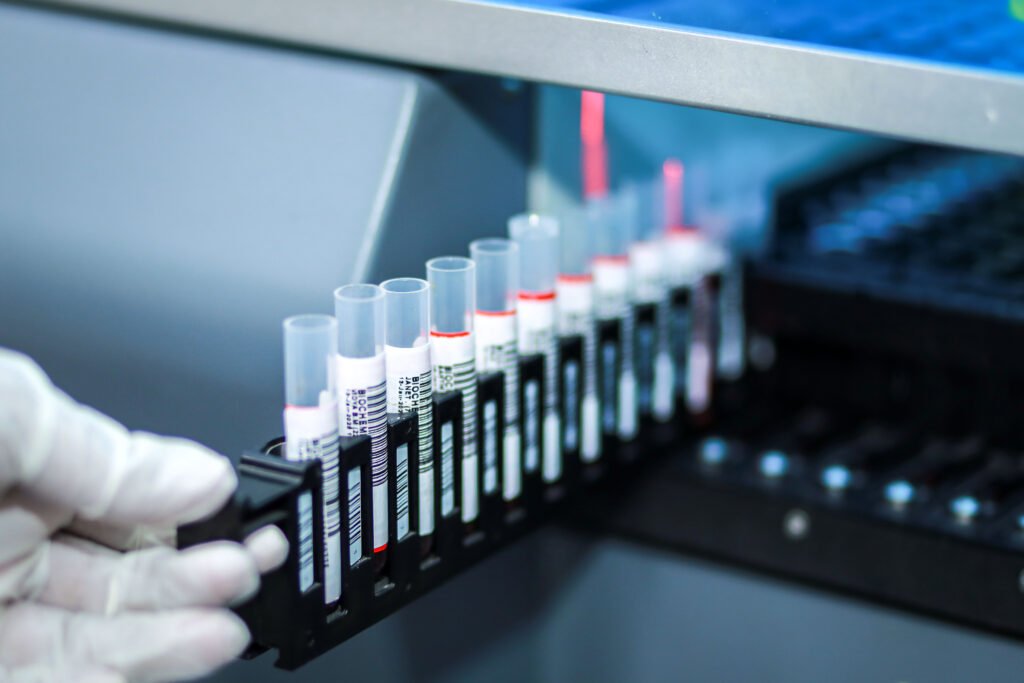
"Every drop counts – your donation can save multiple lives."
Overview
The Blood Bank at Sree Mookambika Institute of Medical Sciences (SMIMS) is a vital component of the hospital’s transfusion services, functioning 24×7 to ensure the availability of safe and high-quality blood and blood components for patient care. It plays a crucial role in supporting emergency services, surgeries, obstetric care, oncology treatments, trauma management, and chronic transfusion-dependent conditions.
The blood bank operates in strict compliance with national regulatory guidelines and follows stringent quality control and safety protocols to ensure safe transfusion practices and patient safety.
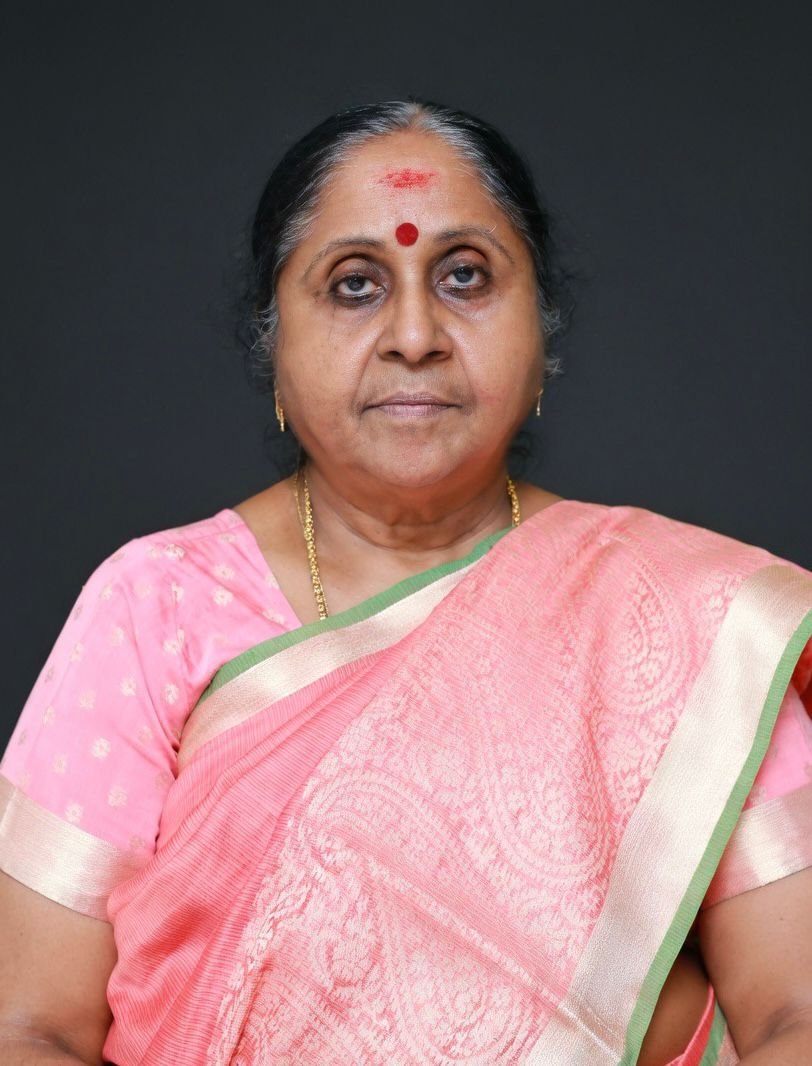
Dr. K C Usha MBBS, MD
Professor & HOD
Services Provided
Blood Collection:
Voluntary and replacement blood donation
Organization of blood donation camps
Donor screening, counseling, and medical examination
Blood Component Preparation:
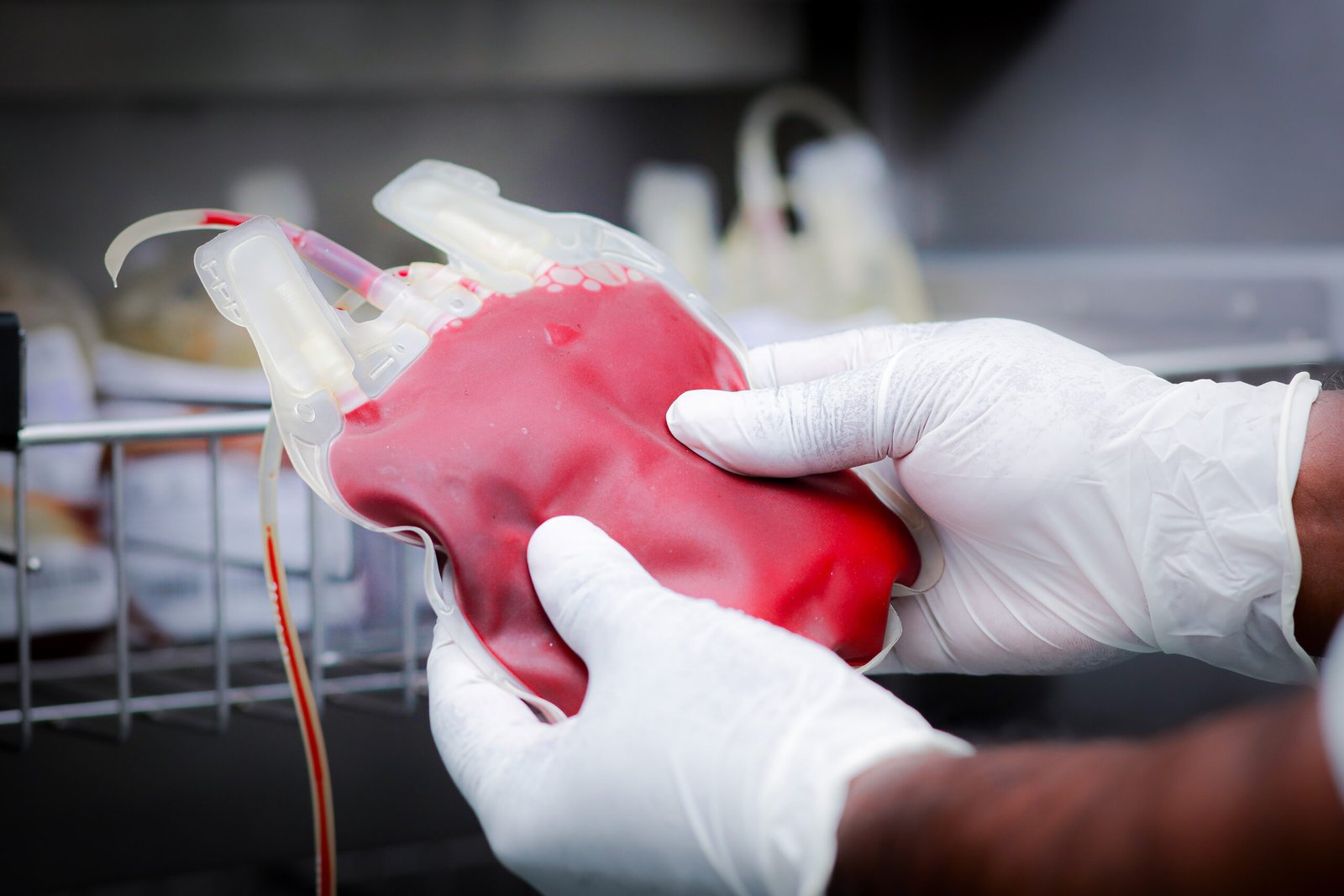
The blood bank prepares and supplies various blood components including:
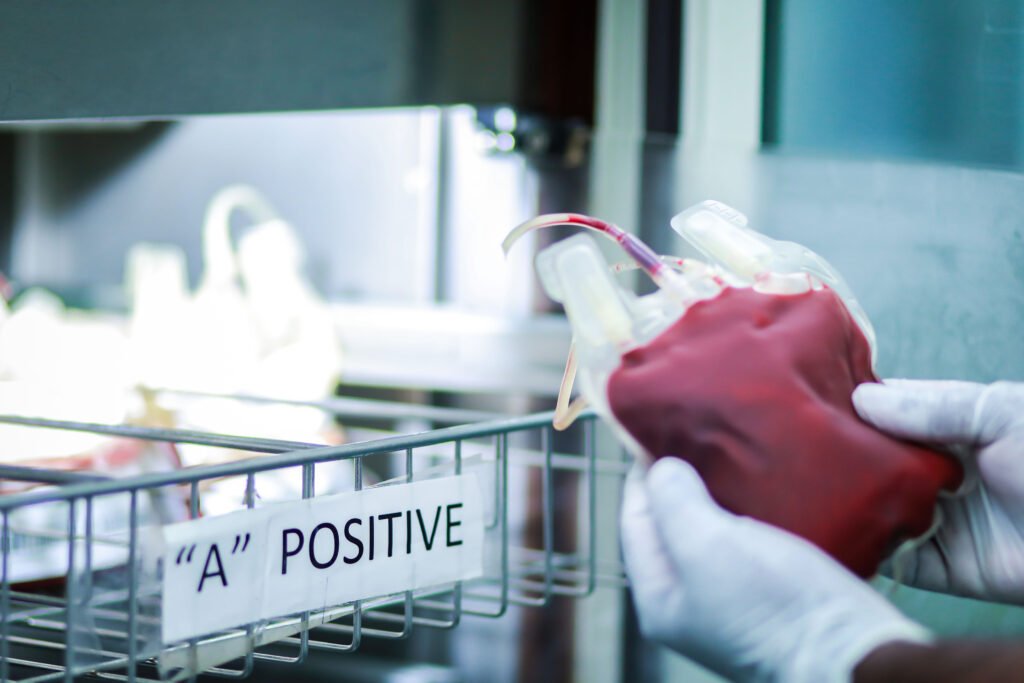
Whole Blood
Packed Red Blood Cells (PRBC)
Platelet Concentrates
Fresh Frozen Plasma (FFP)
Cryoprecipitate (where available)
Immunohematology Services
Blood grouping and Rh typing
Cross-matching (compatibility testing)
Antibody screening and identification
Direct and Indirect Coombs Test
Transfusion Services
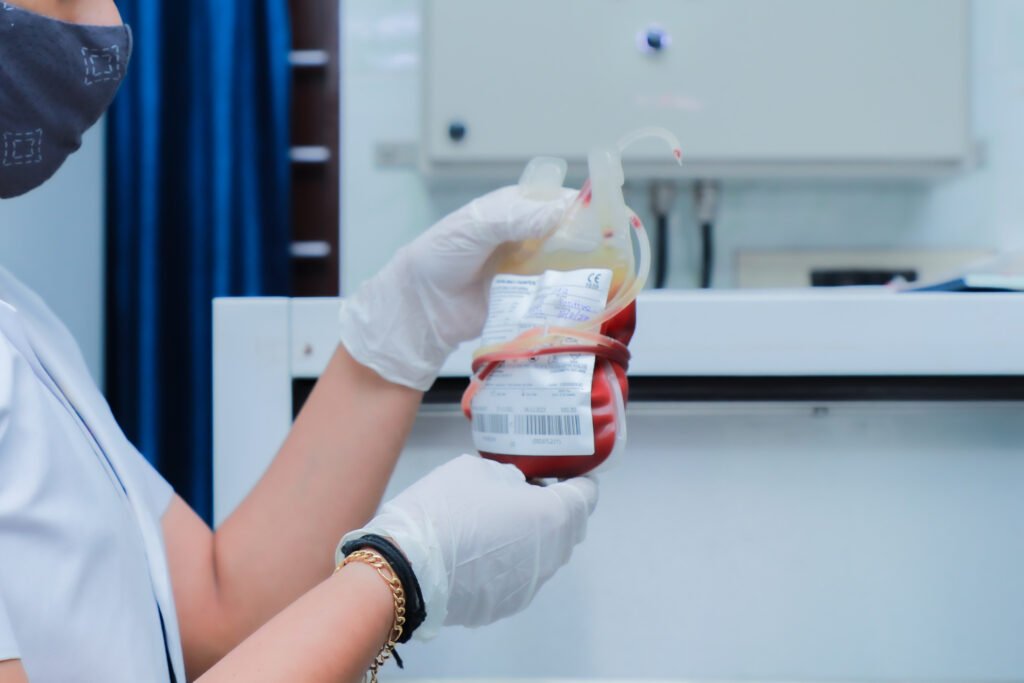
Issue of blood and blood components for routine and emergency requirements
Support for massive transfusion protocols
Neonatal and pediatric transfusion support
Screening for Transfusion-Transmitted Infections (TTIs)
All blood units undergo mandatory screening for:
HIV
Hepatitis B
Hepatitis C
Syphilis
Malaria
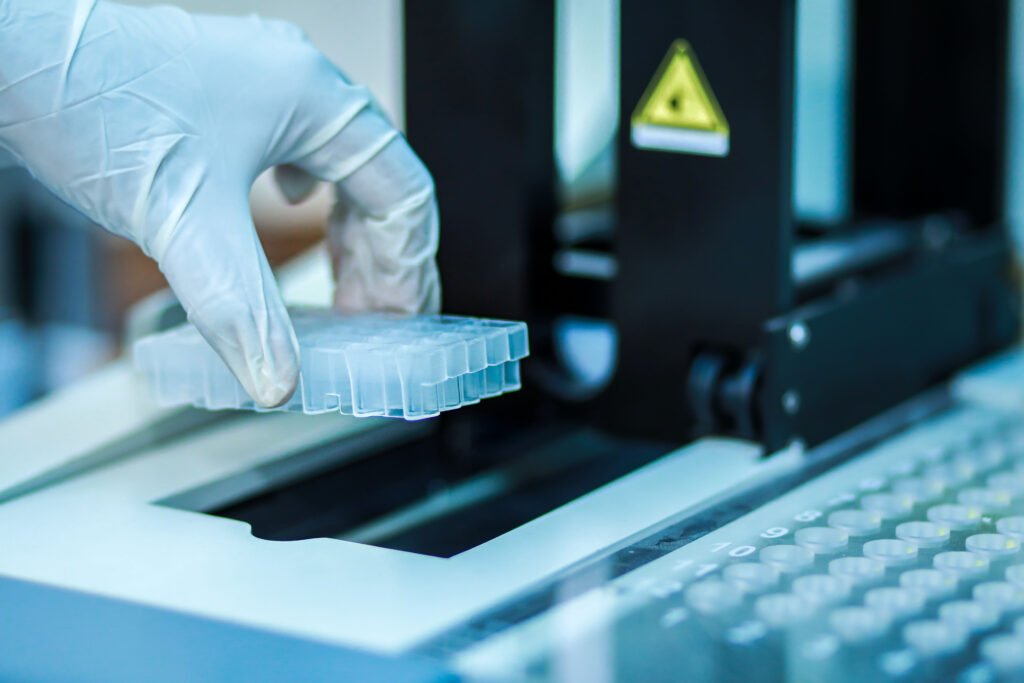
Screening is carried out using approved serological testing methods to ensure the safety of blood transfusions.
Quality Assurance & Hemovigilance
The blood bank maintains strict quality monitoring systems including:
• Monitoring and reporting of transfusion reactions • Documentation and traceability of blood units • Compliance with national hemovigilance programs
Infrastructure and Facilities
The blood bank is equipped with modern infrastructure to maintain safety and efficiency, including:
Dedicated blood bank area with controlled access
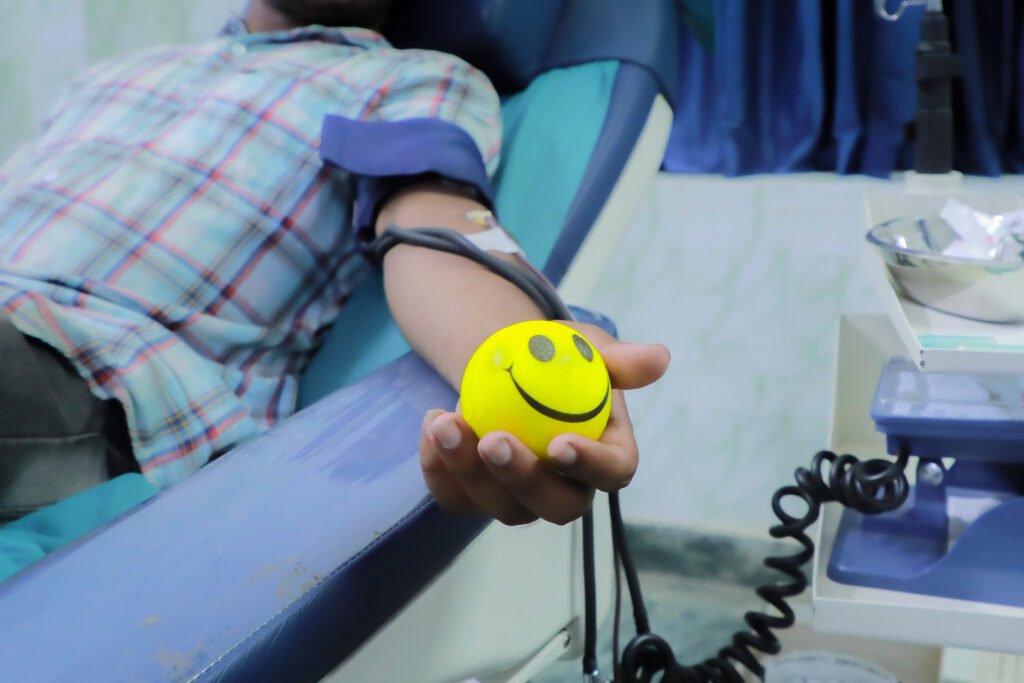
Well-equipped donor bleeding room with comfortable donation chairs
Component separation unit with refrigerated centrifuge
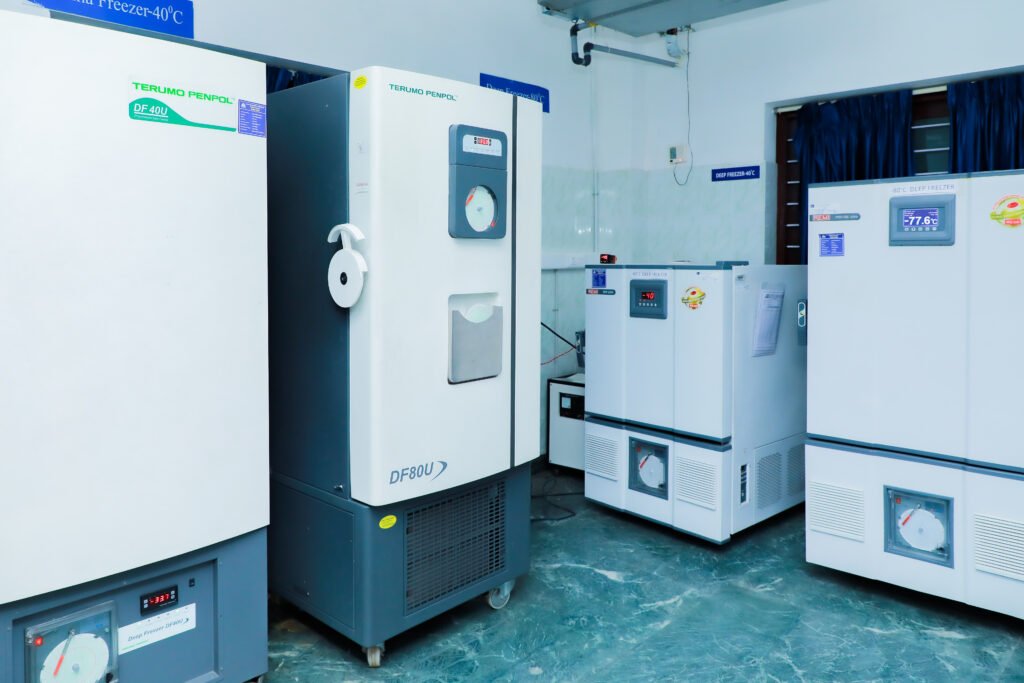
Blood bank refrigerators with continuous temperature monitoring
Plasma freezers and platelet agitators
Fully equipped immunohematology laboratory
Emergency power backup for uninterrupted cold chain maintenance
Biomedical waste management system
Computerized record-keeping and inventory management system
Trained medical officers, technicians, and counselors
Why Donate Blood?
Blood donation is a simple act that can save lives. Many patients depend on timely blood transfusions for survival, including those undergoing major surgeries, cancer treatments, trauma care, obstetric emergencies, and chronic blood disorders such as thalassemia and anemia.
One unit of donated blood can be separated into multiple components such as red cells, platelets, and plasma, helping treat several patients in need.
Benefits of blood donation include:
Helps save lives and support critically ill patients
Promotes a culture of voluntary community service
Provides a basic health check for donors before donation
Encourages awareness about healthy living and social responsibility
At SMIMS, we strongly encourage voluntary blood donation as a vital contribution to patient care and community health.
How to Donate Blood at SMIMS
Healthy individuals between 18 and 65 years of age who meet the eligibility criteria can donate blood at the SMIMS Blood Bank.
Steps for Blood Donation:
Registration and Medical History Donors complete a registration form and provide basic health information.
Health Screening A trained medical officer conducts a brief medical examination including hemoglobin check, blood pressure, and overall health assessment.
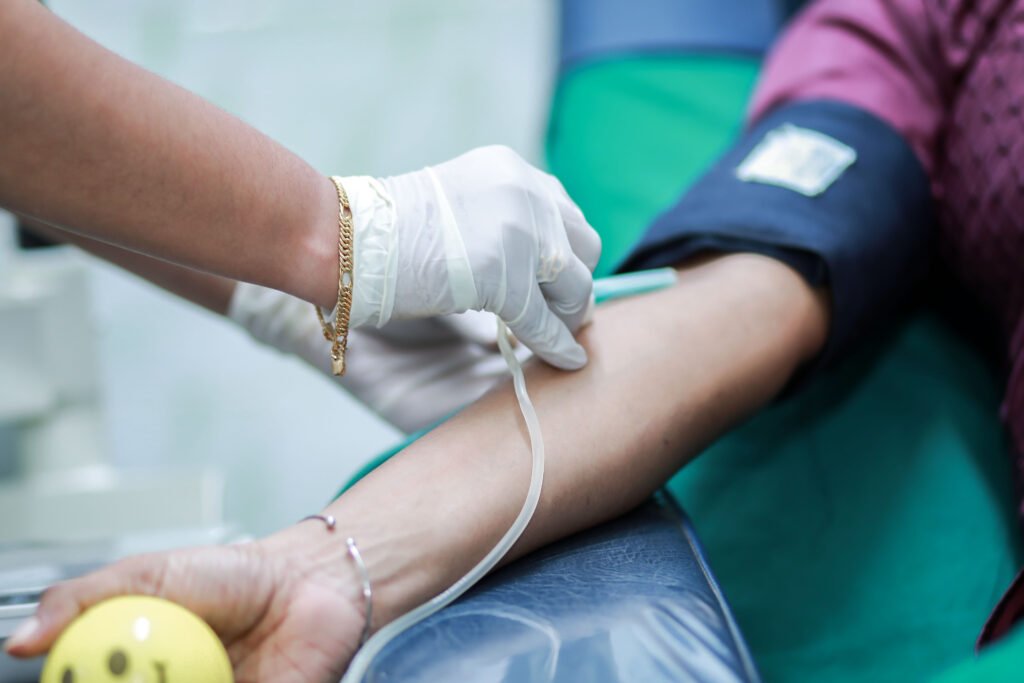
Blood Donation The donation process typically takes 10–15 minutes and is performed using sterile, single-use equipment to ensure safety.
Post-Donation Care Donors are advised to rest briefly and are provided with refreshments before leaving the donation area.
Blood donation can be done at the SMIMS Blood Bank or during voluntary blood donation camps organized by the institution in the community.
Community Blood Donation Programs
The SMIMS Blood Bank regularly organizes voluntary blood donation camps in colleges, community organizations, and workplaces to promote awareness and ensure adequate blood availability for patients in need.
Through these initiatives, SMIMS continues its commitment to community service, patient care, and lifesaving transfusion support.