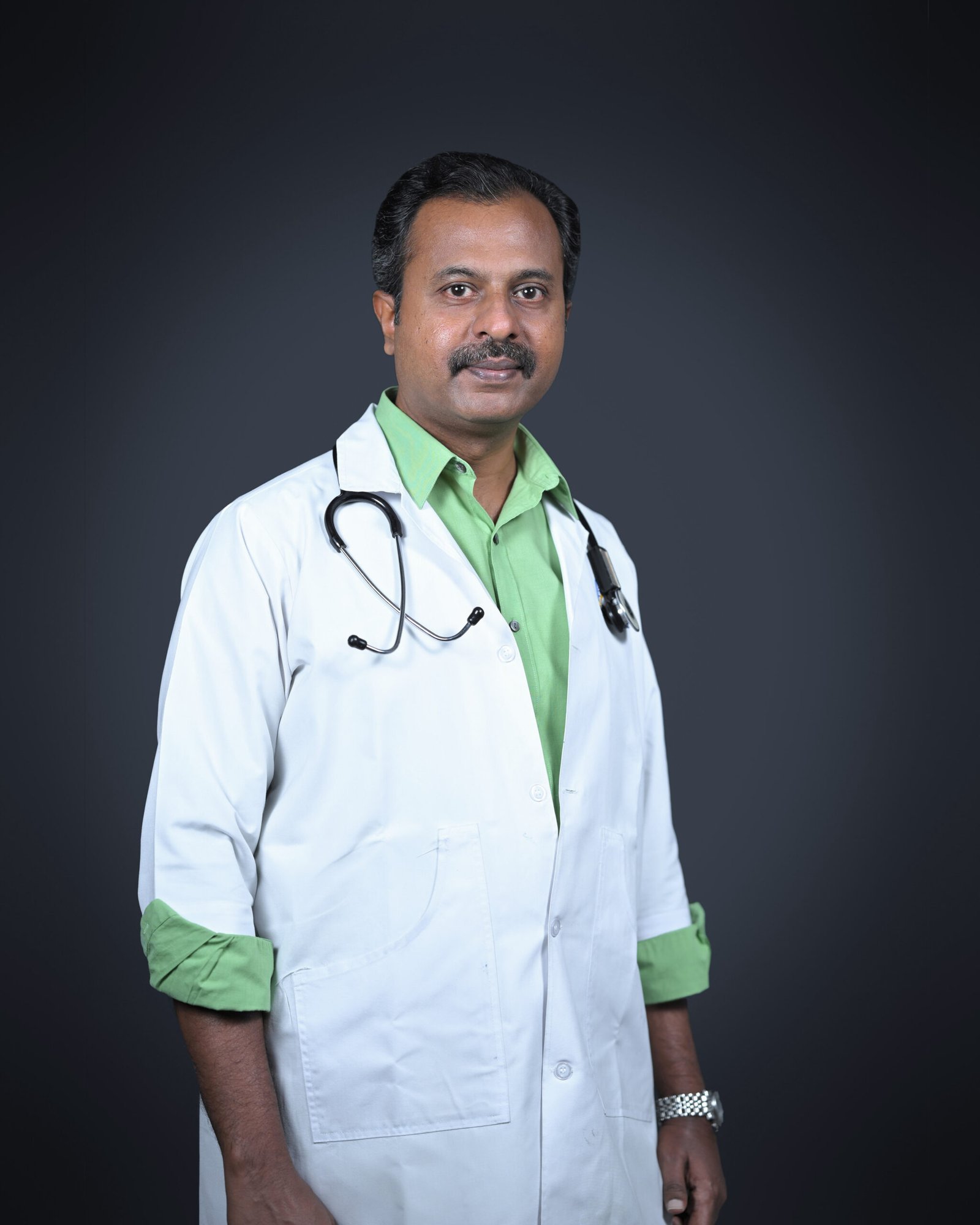
Dr. Biju Gopal
MBBS, MS . Professor & HOD
Overview
The Department of Ophthalmology, established in 2008, is dedicated to providing world-class eye care services with a team of highly skilled and experienced ophthalmologists. The department encompasses all major sub-specialties and manages a daily OPD strength of over 100 patients, performing more than 1,000 ophthalmic surgeries annually.It extends free services to economically underprivileged patients, including food and accommodation, ensuring access to quality healthcare for all. Under the District Blindness Control Society (DBCS) Program, the department regularly conducts free eye camps, offering investigations and surgeries at no cost.With a strong commitment to excellence, the department strives to deliver the highest quality eye care using the latest technology and advanced techniques, while maintaining nominal costs to benefit every patient.
Overview
The Department of Ophthalmology at Sree Mookambika Institute of Medical Sciences (SMIMS), established in 2008, is dedicated to providing comprehensive and high-quality eye care services. With a team of highly skilled and experienced ophthalmologists, the department manages a wide range of ocular diseases across all major ophthalmic subspecialties. The department caters to a daily outpatient load of more than 100 patients and performs over 1,000 ophthalmic surgeries annually, offering both routine and advanced surgical care. Committed to accessible healthcare, the department provides free treatment for economically underprivileged patients, including support for food and accommodation during their hospital stay. In collaboration with the District Blindness Control Society (DBCS) program, the department regularly organizes free eye screening camps, providing diagnostic services and surgical treatment at no cost to eligible patients. With a strong focus on clinical excellence, modern technology, and compassionate care, the department strives to deliver advanced ophthalmic services at affordable costs, ensuring quality eye care for all sections of society.
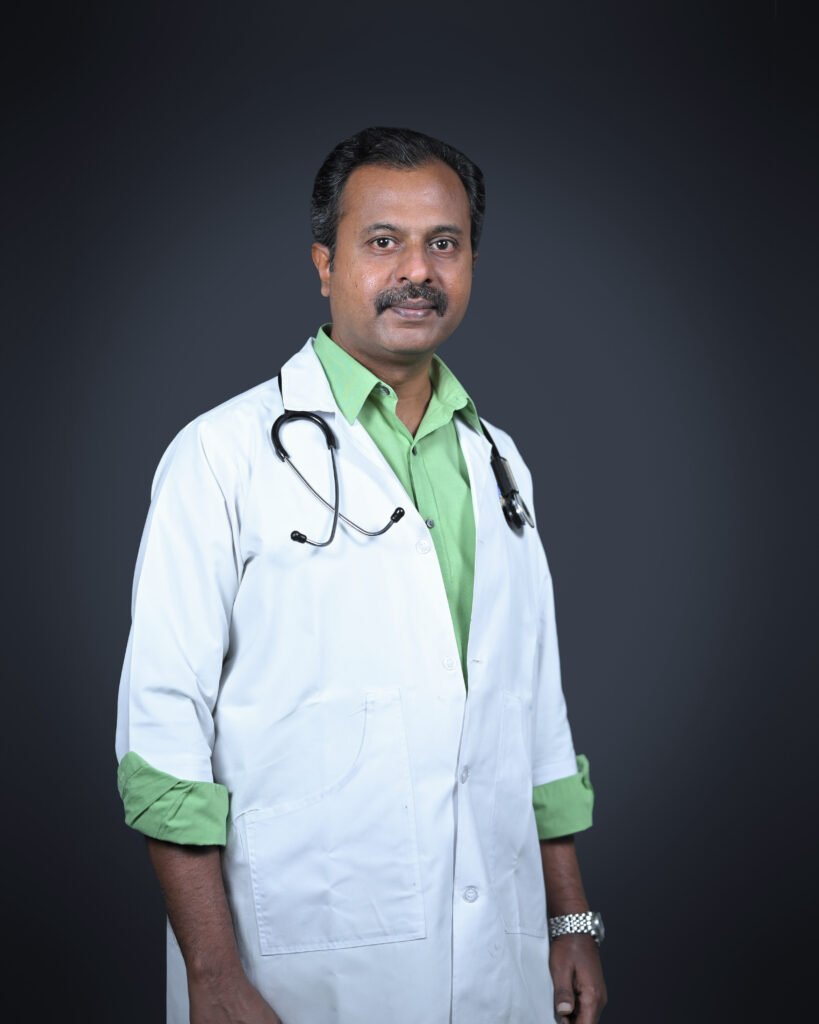
Dr. Biju Gopal
Professor & HOD
Overview
The Department of Ophthalmology, established in 2008, is dedicated to providing world-class eye care services with a team of highly skilled and experienced ophthalmologists. The department encompasses all major sub-specialties and manages a daily OPD strength of over 100 patients, performing more than 1,000 ophthalmic surgeries annually.It extends free services to economically underprivileged patients, including food and accommodation, ensuring access to quality healthcare for all. Under the District Blindness Control Society (DBCS) Program, the department regularly conducts free eye camps, offering investigations and surgeries at no cost.With a strong commitment to excellence, the department strives to deliver the highest quality eye care using the latest technology and advanced techniques, while maintaining nominal costs to benefit every patient.
Dr. Biju Gopal
MBBS, MS . Professor & HOD
Professor & HOD
Mission
The mission of the Department of Ophthalmology is to provide high-quality, accessible eye care using advanced technology and techniques. It is committed to serving all patients, including the underprivileged, through affordable and compassionate ophthalmic services.
Contact Information
Email id:
ophthalmology@sreemookambikainstitute.com
Faculties
| S.No | Name | Designation |
|---|---|---|
| 1 | Dr. Rajeevan P | Professor |
| 2 | Dr. Biju Gopal | Professor |
| 3 | Dr. Ramalakshmi V | Professor |
| 4 | Dr. R Hannah Shiny | Assistant Professor |
| 5 | Dr. Arsha Ressal S A | Senior Resident |
| 6 | Dr. Mathew Tony | Senior Resident |
| 7 | Dr. Aalathi Rajan | Junior Resident |
| 8 | Dr. Birinisha Maruthavanan | Junior Resident |
| 9 | Dr. Shyam Sangeeth S | Junior Resident |
| 10 | Dr. Sangeethaa Mohankumar | Junior Resident |
| 11 | Dr. Niranjanaprabha Jayendran | Junior Resident |
| 12 | Dr. Sodesetti Venkata Anjani Kumar | Junior Resident |
| 13 | Dr. Sri Lakshmi V | Junior Resident |
| 14 | Dr. Vaduvakrishnan Balasubramanian | Junior Resident |
| 15 |
Infrastructure
1. SPECIALITY SERVICES
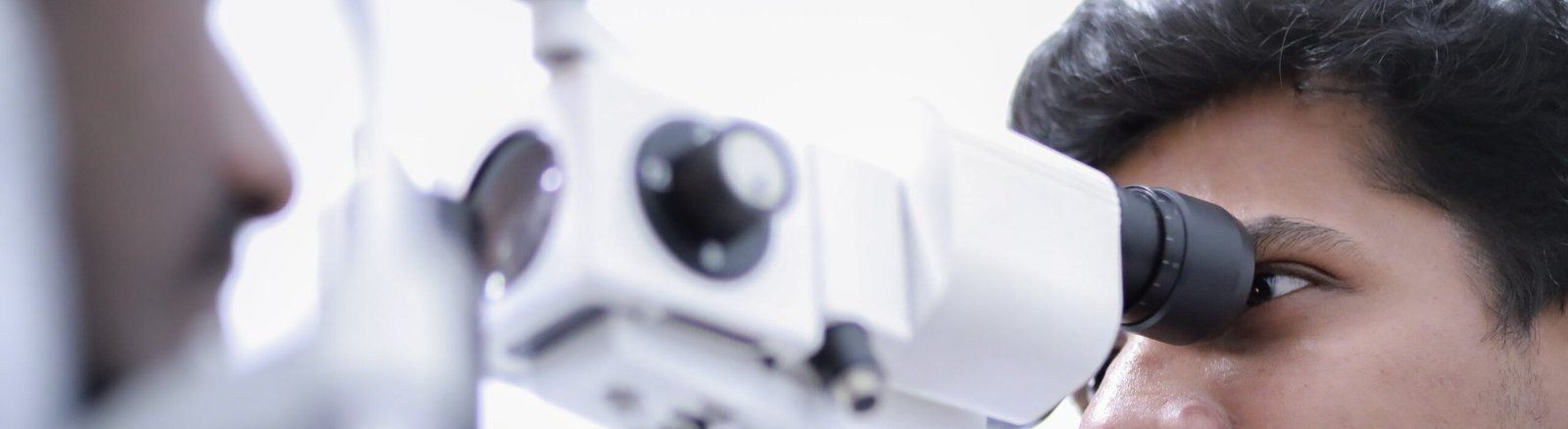
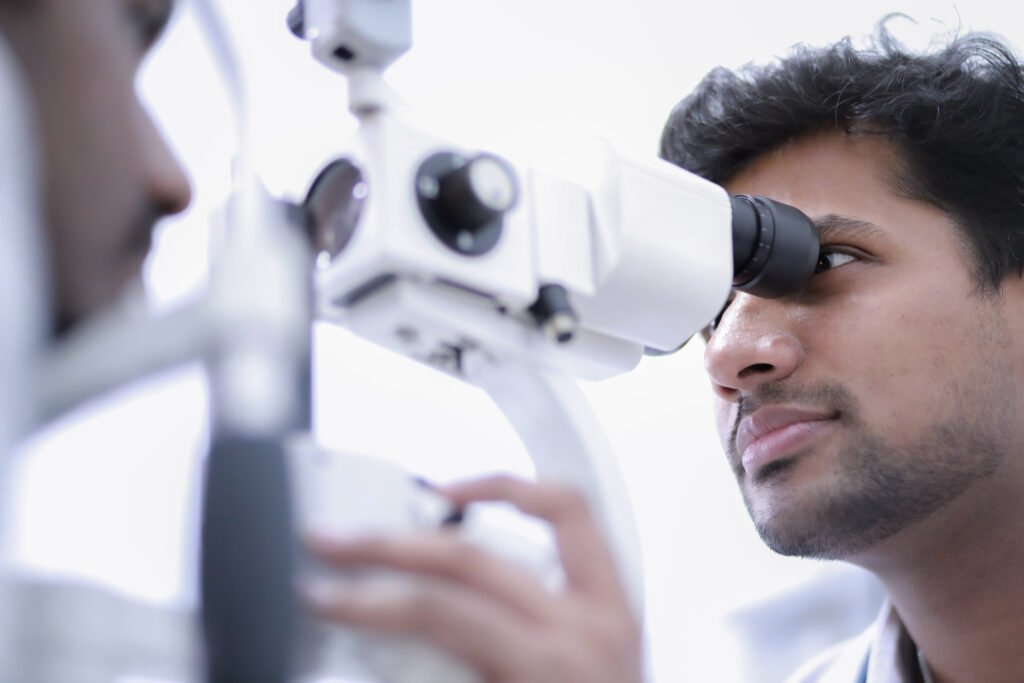
The Department of Ophthalmology runs a range of specialty clinics throughout the week, providing comprehensive diagnosis, treatment, and follow-up care for patients with diverse eye conditions. Experienced specialists lead these clinics in subspecialty areas. The Glaucoma Clinic operates on Monday from 2:00 PM to 4:00 PM, and the Retina & Vitreoretinal Surgery Clinic on Friday from 2:00 PM to 4:00 PM. The Refraction Clinic and Eye Bank function daily from 10:00 AM to 1:00 PM. Squint, Paediatric Ophthalmology, and Orbit & Oculoplasty Clinics are held on Wednesday from 10:00 AM to 1:00 PM. The Uvea & Medical Retina Clinic is on Thursday from 10:00 AM to 1:00 PM, and the Neuro-Ophthalmology Clinic on Tuesday from 2:00 PM to 4:00 PM. The Cornea & Ocular Surface Clinic operates on Saturday from 10:00 AM to 1:00 PM, and the Contact Lens Clinic from 2:00 PM to 4:00 PM. The Low Vision Aids Clinic is available daily from 10:00 AM to 1:00 PM.
2. PROCEDURE
The Department of Ophthalmology offers a comprehensive range of surgical and laser procedures across all subspecialties. Lid and lacrimal surgeries include tarsoraphy, lid repair, ectropion and entropion correction, ptosis correction, dacryocystectomy (DCT), dacryocystorhinostomy (DCR), probing, and tumor excision with lid reconstruction. Strabismus surgeries provide corrective treatment for squint, while orbital procedures include cyclocryotherapy and cyclophotocoagulation. Ocular surface surgeries involve pterygium excision with grafting. Cataract procedures include extracapsular cataract extraction (ECCE), small incision cataract surgery (SICS), phacoemulsification, and secondary intraocular lens implantation. Retina procedures include intravitreal injections, anterior vitrectomy, pars plana vitrectomy (PPV), and scleral buckling. Glaucoma surgeries include trabeculectomy and glaucoma valve implant surgery. Cornea surgeries include keratoplasty, corneal or corneoscleral tear repair, and corneal collagen cross-linking (C3R). Minor surgical procedures include foreign body removal, chalazion incision and curettage, epilation, syringing, subconjunctival injection, suture removal, conjunctival tear suturing, and posterior sub-Tenon’s injections (PST). Laser procedures include YAG peripheral iridotomy, YAG capsulotomy, focal and panretinal photocoagulation, and keratorefractive procedures, providing comprehensive surgical care for a wide range of ophthalmic conditions.
3. POST GRADUATE PROGRAMMES/ FELLOWSHIPS
MS Ophthalmology
4. CMEs, CONFERENCES, WORKSHOPS, SEMINARS DONE IN THE DEPARTMENT
The Department of Ophthalmology regularly conducts continuing medical education programs and academic activities to enhance knowledge and skills in various subspecialties. Recent programs include World Eye Sight Day CME on 12 October 2023, SMART UG 2023 Re-Vision Program on 5–6 December 2023, CME on Diabetic Retinopathy on 10 October 2022, CME on Keratoconus on 15 April 2022, CME on Age-Related Macular Degeneration on 13 October 2021, CME on Glaucoma on 25 March 2021, CME on Retinopathy of Prematurity on 25 November 2020, and CME on Intraocular Lens on 16 March 2020
5. MERITS AND OTHER ACHIEVEMENTS
The Department of Ophthalmology has made significant research and academic contributions, with more than 50 publications in reputed national and international journals, including Oxford and IMJ. Faculty and students have also presented over 30 e-papers and e-posters at state and national-level conferences.
Clinical Services
The department provides diagnosis and treatment for a wide range of ophthalmic conditions including:
- Cataract and refractive errors
- Glaucoma
- Retinal diseases including diabetic retinopathy
- Corneal diseases and ocular surface disorders
- Pediatric ophthalmology and squint disorders
- Neuro-ophthalmological conditions
- Uveitis and medical retina conditions
- Oculoplastic and lacrimal disorders
- Low vision rehabilitation
Comprehensive services are offered through specialized clinics, advanced diagnostics, and modern surgical techniques.
Facilities & Infrastructure
Outpatient Department (OPD)
The ophthalmology outpatient department provides consultation, diagnostic evaluation, and minor procedures. The OPD includes:
- Refraction room
- Dark room for ophthalmic examinations
- Dressing room
- Minor procedure room
Inpatient Services:
The department has a 30-bed ophthalmology ward, consisting of 15 beds for male patients and 15 beds for female patients, providing comfortable inpatient care with continuous medical supervision.
Diagnostic Facilities:
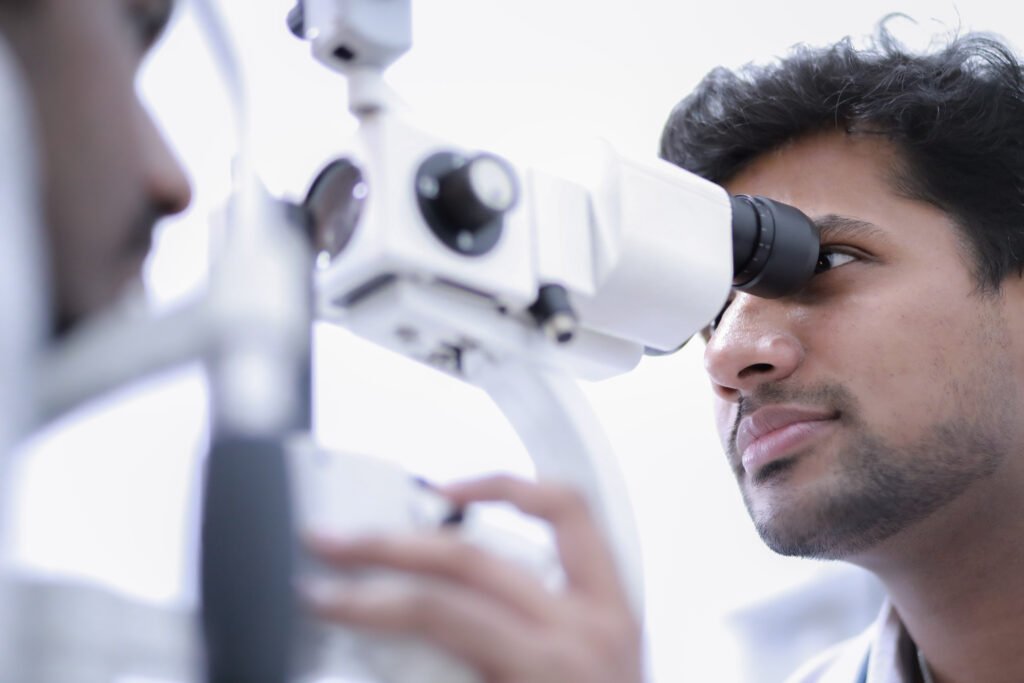
The department is equipped with advanced ophthalmic diagnostic equipment including:
- Visual field analyzer
- Optical coherence tomography (OCT)
- Fundus photography
- Fundus fluorescein angiography (FFA)
- B-scan ultrasonography
- Optical biometer
- Keratometer
- Electroretinography (ERG)
- Optical dispensary services
These diagnostic facilities allow accurate evaluation of retinal, corneal, optic nerve, and visual pathway disorders.
Specialty Clinics
The department conducts multiple specialty clinics to provide focused evaluation and management of specific eye conditions.
- Glaucoma Clinic
- Retina and Vitreoretinal Surgery Clinic
- Refraction Clinic
- Eye Bank Services
- Squint Clinic
- Pediatric Ophthalmology Clinic
- Uvea and Medical Retina Clinic
- Orbit and Oculoplasty Clinic
- Low Vision Clinic
- Neuro-Ophthalmology Clinic
- Cornea and Ocular Surface Clinic
- Contact Lens Clinic
These clinics enable specialized diagnosis, treatment planning, and long-term follow-up of patients with complex ophthalmic conditions.
Advanced Ophthalmic Equipment
The department is supported by modern ophthalmic surgical and diagnostic equipment including:
- Operating microscopes
- A-scan and B-scan ultrasonography
- Keratometer and specular microscope
- IOL Master for intraocular lens power calculation
- Phacoemulsification machines for cataract surgery
- Nd:YAG laser systems
- Retinal laser systems including red laser
- Cryophotocoagulation equipment
- Vitrectomy machines
- Endolaser systems
- Fundus cameras and angiography systems
- Automated perimetry systems for glaucoma assessment
Additional equipment includes gonioscopes, tonometers, pachymeters, indirect ophthalmoscopes, pediatric refraction instruments, and low vision assessment tools.
Ophthalmic Surgical Procedures
Cataract Surgery:
- Extracapsular cataract extraction (ECCE)
- Small incision cataract surgery (SICS)
- Phacoemulsification
- Secondary intraocular lens implantation
Retina Procedures:
- Intravitreal injections
- Anterior vitrectomy
- Pars plana vitrectomy (PPV)
- Scleral buckling
Glaucoma Surgery:
- Trabeculectomy
- Glaucoma valve implantation
Cornea Procedures:
- Keratoplasty (corneal transplantation)
- Corneoscleral tear repair
- Corneal collagen cross-linking (C3R)
Lid & Lacrimal Surgeries:
- Tarsorrhaphy
- Lid repair
- Ptosis correction
- Dacryocystectomy (DCT)
- Dacryocystorhinostomy (DCR)
- Probing procedures
- Tumor excision with lid reconstruction
Strabismus Surgery:
- Squint correction surgeries
Ocular Surface Procedures:
- Pterygium excision with graft
Laser Procedures:
- YAG peripheral iridotomy (YAG PI)
- YAG capsulotomy
- Panretinal photocoagulation
- Focal retinal laser treatment
Minor Procedures:
- Foreign body removal (corneal / conjunctival)
- Chalazion incision and curettage
- Epilation
- Syringing procedures
- Subconjunctival injections
- Conjunctival tear suturing
- Posterior subtenon injections (PST)
Low Vision Services
The department provides low vision rehabilitation services for patients with irreversible visual impairment, helping them make the best use of their remaining vision and improve their quality of life.
Facilities include low vision assessment kits, optical magnifiers, filter lenses to reduce glare, telescopes and adaptive devices, and electronic visual aids. These services support patients in performing daily activities with greater independence and confidence.
Community Ophthalmology & Outreach Services
The department actively participates in community eye care programs aimed at preventing avoidable blindness.
Activities include:
- Regular free eye screening camps
- School eye screening programs
- Diabetic retinopathy screening programs
- Transportation facilities for patients requiring surgery
Number of outreach camps conducted:
- 2022 – 54 camps
- 2023 – 62 camps
- 2024 – 76 camps
- 2025 – 100 camps
In addition, the department actively participates in and supports the general medical camps organized by the institution, extending ophthalmic screening services to a larger section of the community and ensuring wider access to quality eye care.
Teaching and Academic Activities
The Department of Ophthalmology plays an important role in undergraduate and postgraduate medical education.
The department offers postgraduate training with 3 seats, providing structured academic teaching along with extensive clinical and surgical exposure.
Students and residents receive training through:
- Clinical postings and bedside teaching
• Case discussions and seminars
• Journal clubs and academic presentations
• Hands-on surgical training
• Participation in workshops, conferences, and continuing medical education programs
These activities ensure that students develop strong clinical skills, surgical expertise, and research orientation in ophthalmology.