“One of the few dedicated Urogynecology centres in South India providing advanced pelvic floor care, training, and research.”
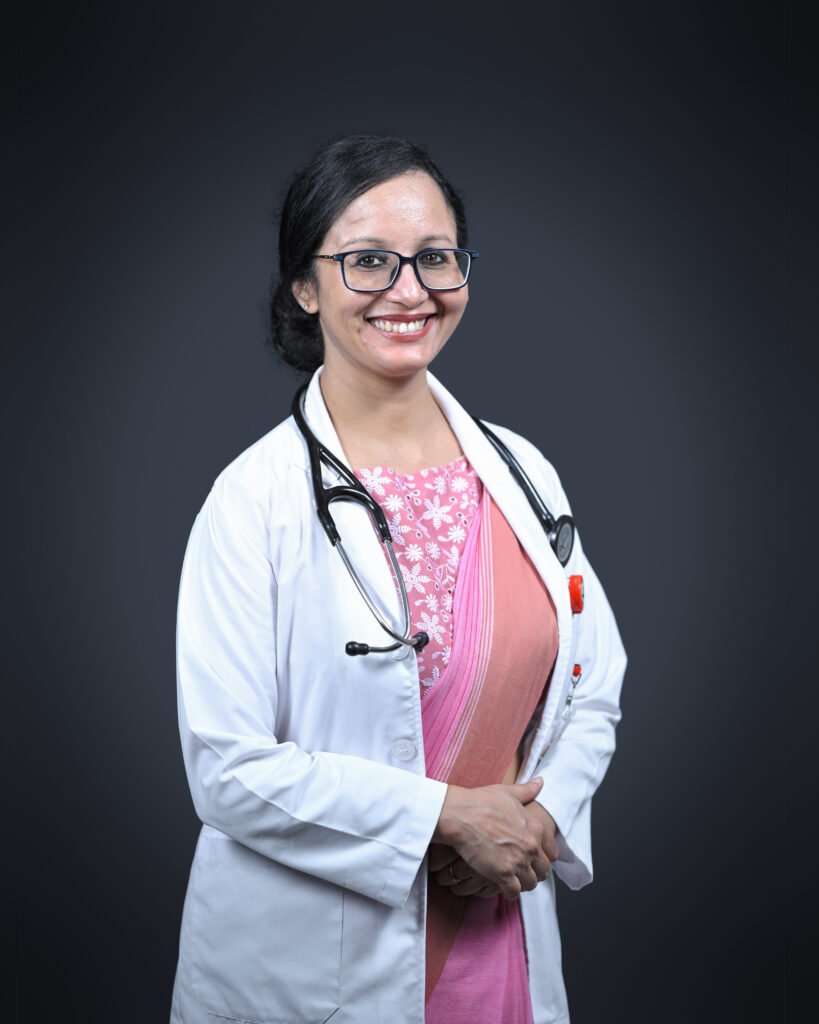
Dr. Deeksha Pandey, MBBS, MS (OBG), MNAMS
The Urogynecology Clinic at Sree Mookambika Institute of Medical Sciences (SMIMS) provides specialized care for women with pelvic floor disorders and urinary dysfunction. The clinic focuses on the diagnosis and treatment of conditions affecting the bladder, uterus, vagina, and pelvic support structures, which significantly impact a woman’s quality of life.The clinic is dedicated to providing comprehensive, evidence-based, and compassionate care for women suffering from urinary incontinence, pelvic organ prolapse, and other pelvic floor disorders. With advanced diagnostic facilities and minimally invasive treatment options, the clinic aims to restore normal pelvic function and improve quality of life.The Urogynecology program at Sree Mookambika Institute of Medical Sciences (SMIMS) is led by Dr. Deeksha Pandey, MBBS, MS (OBG), MNAMS, a renowned Urogynecologist and Pelvic Floor Surgeon with extensive expertise in Female Pelvic Medicine and Reconstructive Surgery. She leads the Urogynecology services and fellowship training program at SMIMS, with a focus on advanced pelvic floor reconstruction, minimally invasive gynecological surgery, and management of complex pelvic floor disorders. Dr. Pandey is the author of the textbook “Urogynaecology: Foundation and Surgical Practice,” an important academic resource for gynecologists and trainees interested in pelvic floor surgery and urogynecology.She has also initiated URV-SHE (Urinary Recto-Vaginal Health & She), a major academic and clinical initiative aimed at promoting awareness, training, and research in urogynecology and pelvic floor health. Through this platform, she organizes international conferences, surgical workshops, and academic collaborations to advance the field of urogynecology in India. Dr. Pandey is widely recognized for her contributions to medical education through digital platforms. She runs the internationally followed “Urogynecology for Beginners” YouTube channel, which provides structured teaching on pelvic floor anatomy, surgical techniques, and operative guidance for gynecologists and trainees worldwide. She also contributes to online surgical education through DigiNerve, delivering lectures and operative teaching videos on advanced gynecological and urogynecological procedures.
With strong academic leadership, surgical expertise, and a commitment to teaching, Dr. Deeksha Pandey continues to strengthen urogynecology services, fellowship training, and academic excellence at SMIMS, positioning the institution as a growing centre for pelvic floor medicine and reconstructive gynecology in South India.
Conditions Treated
The Urogynecology Clinic manages a wide range of pelvic floor disorders including:
• Stress urinary incontinence
• Urge urinary incontinence (overactive bladder)
• Mixed urinary incontinence
• Pelvic organ prolapse (uterine prolapse, cystocele, rectocele)
• Recurrent urinary tract infections
• Bladder dysfunction and voiding disorders
• Postpartum pelvic floor problems
• Pelvic floor trauma and childbirth-related injuries
• Fistulas involving the urinary and genital tract
Diagnostic Services
The clinic is equipped with advanced diagnostic tools for evaluating pelvic floor disorders, including:
• Urodynamic studies for bladder function assessment
• Uroflowmetry for evaluation of urinary flow abnormalities
• Pelvic ultrasound and imaging
• Clinical pelvic floor assessment
• Bladder diary and symptom scoring systems
These investigations help in accurately diagnosing the underlying cause of urinary and pelvic floor problems.
Treatment Services
The clinic offers a range of non-surgical and surgical treatment options, including:
Conservative Management
• Pelvic floor muscle training (Kegel exercises)
• Bladder training and behavioral therapy
• Lifestyle modification and medical therapy
Minimally Invasive Procedures
• Mid-urethral sling procedures for stress urinary incontinence
• Pelvic floor reconstructive surgeries
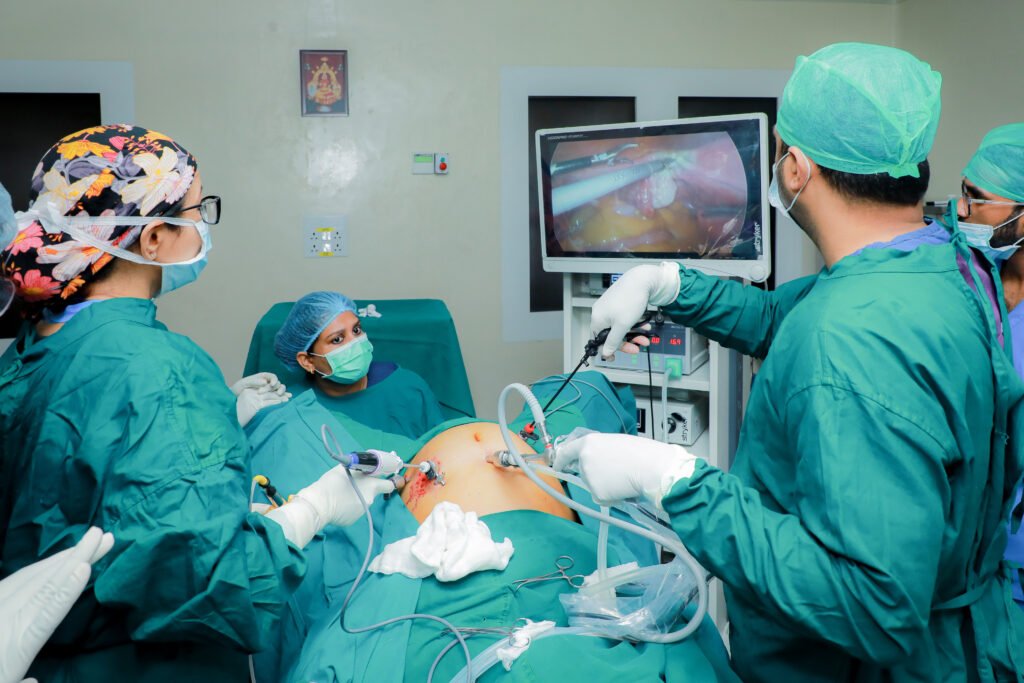
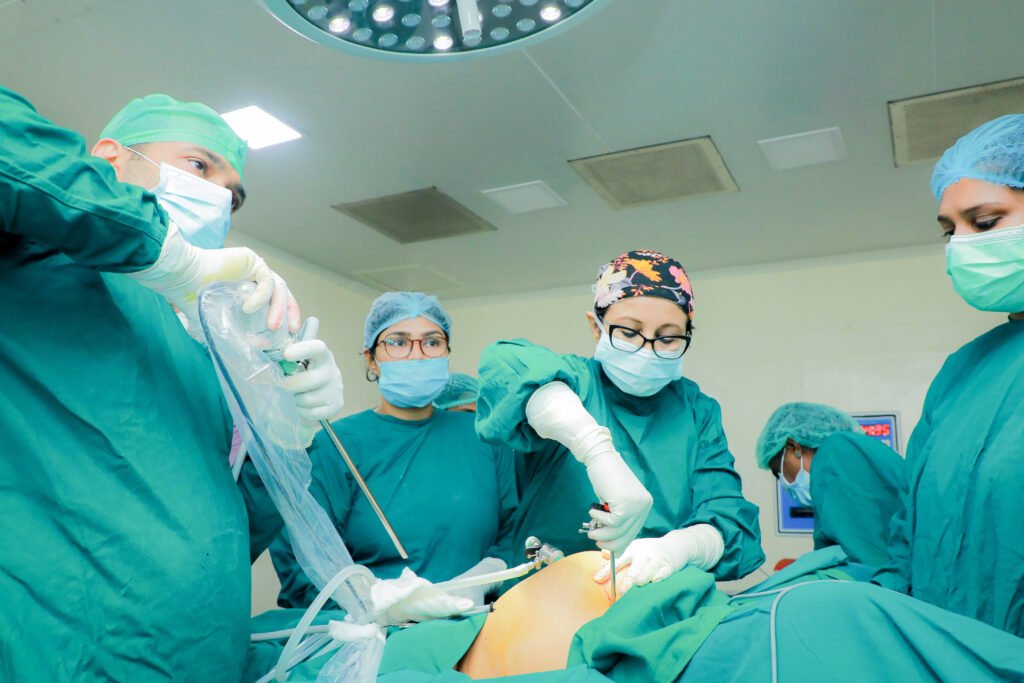
• Laparoscopic pelvic floor repair procedures
Advanced Pelvic Floor Surgery
• Vaginal and laparoscopic repair of pelvic organ prolapse
• Surgical management of complex pelvic floor defects
• Treatment of urinary fistulas
Specialized Pelvic Floor Care
The clinic provides individualized treatment plans focusing on restoring normal pelvic support and bladder function. A multidisciplinary approach involving urogynecologists, urologists, physiotherapists, and rehabilitation specialists ensures comprehensive management.
Academic and Training Activities
The Urogynecology unit at SMIMS is actively involved in teaching, research, and skill development in pelvic floor medicine.
Key initiatives include:
• Urogynecology fellowship training programs
• Clinical training for postgraduate students in Obstetrics & Gynaecology
• National and international academic collaborations
• URVSHE – Urogynecology academic initiative and conference series
Commitment to Women’s Pelvic Health
The Urogynecology Clinic at SMIMS is committed to improving women’s pelvic health through advanced diagnostics, minimally invasive treatments, and academic excellence, helping women regain comfort, dignity, and confidence in their daily lives.
Fellowship in Urogynecology, Female Pelvic Medicine & Reconstructive Surgery
The Fellowship in Urogynecology, Female Pelvic Medicine & Reconstructive Surgery at Sree Mookambika Institute of Medical Sciences (SMIMS) is a specialized one-year clinical training program designed to develop expertise in the diagnosis, prevention, and management of pelvic floor disorders (PFDs).
The program provides structured training in female pelvic medicine, reconstructive surgery, and minimally invasive techniques, enabling gynecologists to manage complex urogynecological conditions including urinary incontinence, pelvic organ prolapse, voiding dysfunction, and pelvic floor trauma.
Through hands-on clinical training, surgical exposure, academic sessions, and research activities, the fellowship aims to produce competent specialists capable of delivering comprehensive pelvic floor care even in resource-limited settings.
Objectives
The fellowship program aims to:
• Train gynecologists in scientific, evidence-based evaluation and management of pelvic floor disorders
• Develop expertise in female pelvic anatomy, physiology, and reconstructive surgical techniques
• Provide compassionate and effective patient care for urinary incontinence, prolapse, and pelvic floor dysfunctions
• Strengthen clinical practice, teaching ability, and research skills in urogynecology
• Promote preventive urogynecology and pelvic floor health during pregnancy and childbirth
Scope of the Program
The fellowship is designed to address the growing need for specialized pelvic floor care in India and South Asia. Many clinicians practicing in peripheral or resource-limited settings encounter complex pelvic floor disorders without access to formal subspecialty training.
This program aims to bridge that gap by providing structured training, enabling gynecologists to confidently diagnose and treat pelvic floor disorders and improve the quality of care for women affected by these conditions.
Clinical Training Structure
The fellowship provides comprehensive clinical exposure through:
• Outpatient clinics (OPD) for evaluation of pelvic floor disorders
• Inpatient care for preoperative and postoperative management
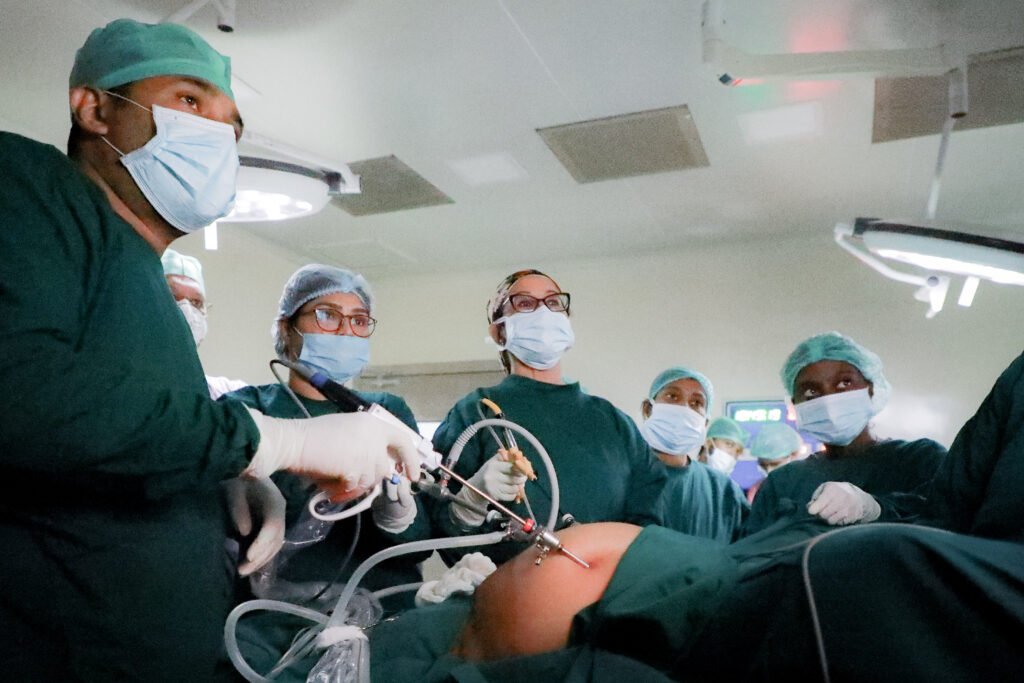
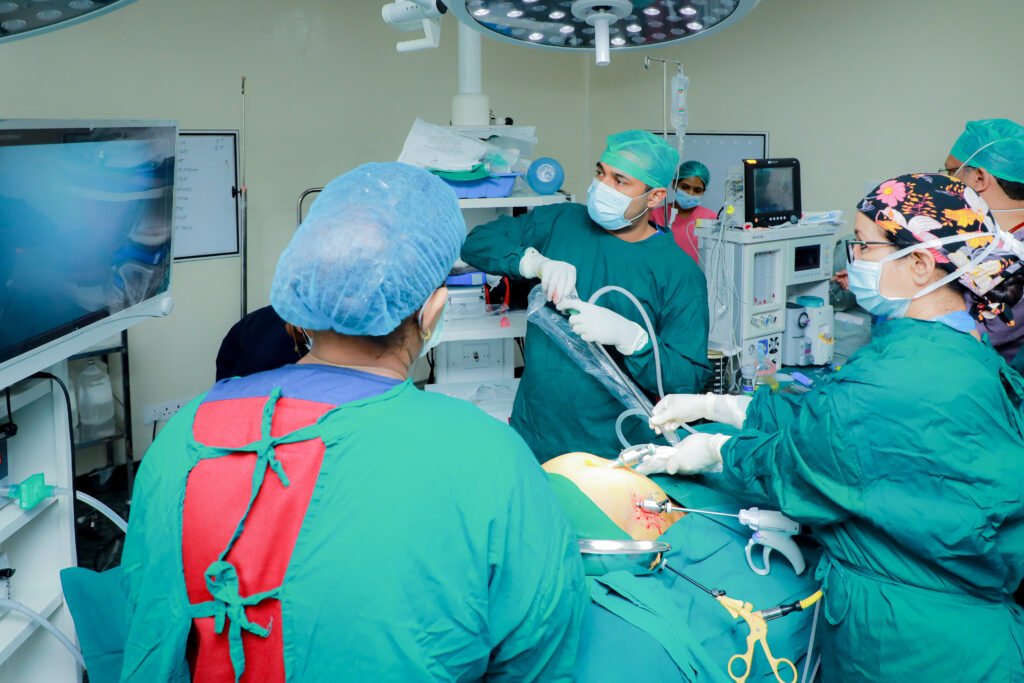
• Operation theatre training, including observation, assistance, and performance of procedures under supervision
• Didactic teaching sessions, including lectures, case discussions, and bedside teaching
• Participation in clinical research and academic presentations
Learning Outcomes
At the end of the program, fellows will acquire expertise in:
• Evaluation and management of pelvic organ prolapse
• Diagnosis and treatment of urinary incontinence and voiding dysfunction
• Interpretation of urodynamic studies and pelvic imaging
• Management of pelvic floor trauma and urinary tract injuries
• Performance of primary continence and prolapse surgeries
• Understanding the role of advanced and redo pelvic floor surgeries
• Critical appraisal of scientific literature and research methodology
Core Curriculum Topics
The fellowship curriculum includes comprehensive training in the following areas:
Pelvic Floor Anatomy and Physiology
• Female pelvic anatomy relevant to urogynecology
• Physiology of micturition
• Pharmacology of bladder function
Pelvic Floor Disorders
• Classification of lower urinary tract dysfunction
• Pelvic organ prolapse – screening, diagnosis, and management
• Urinary incontinence – conservative and surgical management
• Voiding dysfunctions and bladder disorders
• Anal incontinence and pelvic floor dysfunction
Diagnostic Evaluation
• Clinical history and pelvic floor examination
• Bladder diary and symptom scoring systems
• Urodynamic studies – uroflowmetry and cystometry
• Imaging of urinary tract and pelvic floor (ultrasound and radiology)
• Endoscopic procedures including cystoscopy
Surgical Training
• Pelvic organ prolapse surgeries – anterior, posterior, and apical repairs
• Vault prolapse surgeries – vaginal and abdominal approaches
• Surgical management of urinary incontinence
• Repair of urinary and fecal fistulae
• Laparoscopic suspension procedures
Pelvic Floor Rehabilitation
• Physiotherapy and behavioral therapy in pelvic floor disorders
• Postoperative rehabilitation and pelvic floor strengthening
Special Areas
• Female sexual dysfunction
• Cosmetic gynecology
• Prevention of pelvic floor injuries during pregnancy and childbirth
Preventive Urogynecology
The fellowship also emphasizes preventive pelvic floor care, including:
• Pelvic floor protection during pregnancy and childbirth
• Early detection and management of pelvic floor injuries
• Counseling and long-term pelvic health strategies for women
Optional labor ward rotations provide exposure to obstetric practices that help reduce future pelvic floor dysfunction.
Research and Academic Development
Fellows are encouraged to participate in:
• Clinical research projects in urogynecology
• Scientific presentations at conferences
• Publication of research findings in peer-reviewed journals
• Academic discussions, journal clubs, and teaching activities