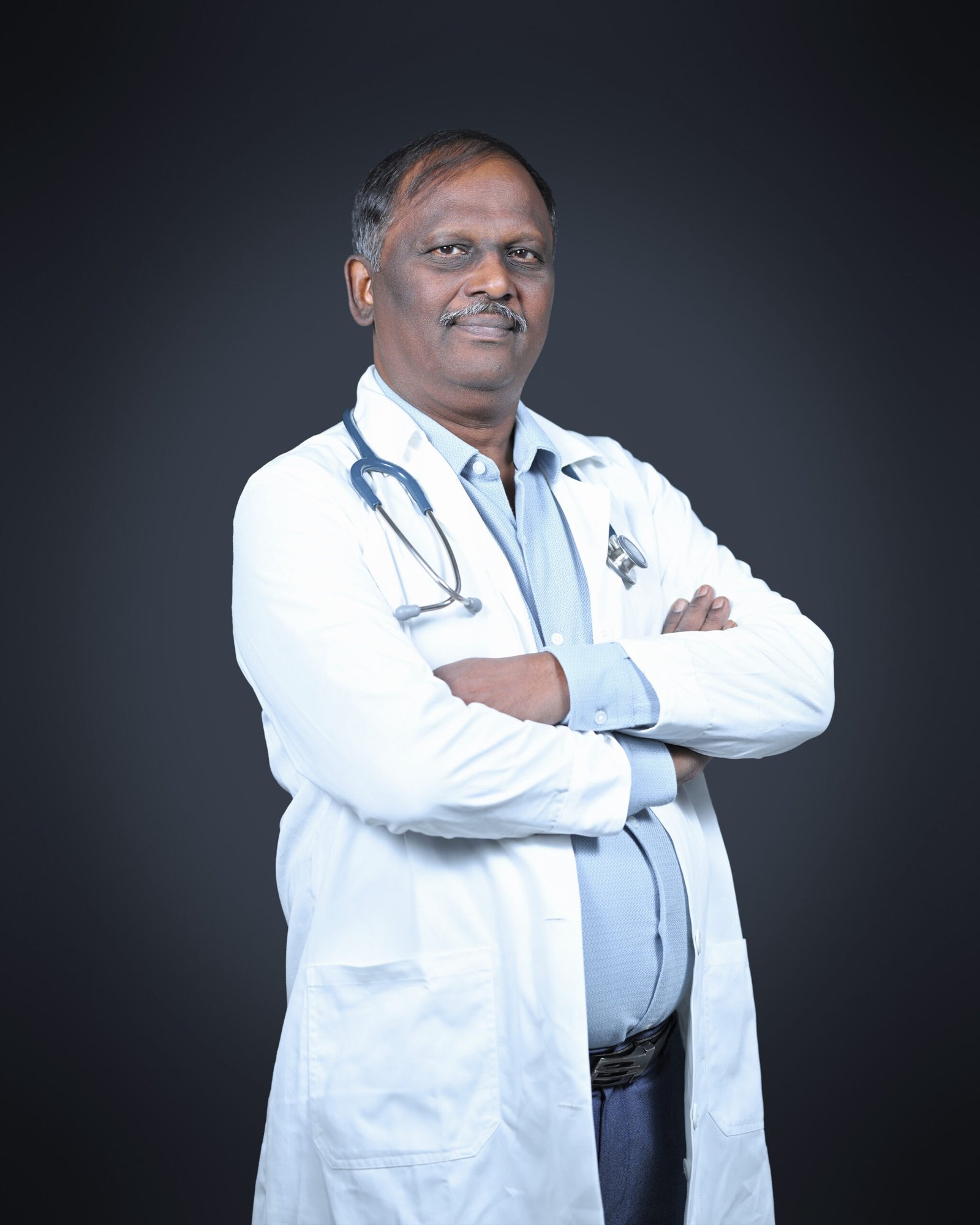
Dr. Balakrishnan. A
MBBS, MD . Professor & HOD
Overview
Anaesthesiology is an art and science, a tight-rope walk to maintain the patient’s normal homeostasis while making him/her unconscious and pain-free during surgery using titrated doses of multiple drugs, creating an optimized state for the surgeon to complete the procedure and then safely restoring consciousness and normal physiology. The department is managed by qualified, experienced faculty equipped with the latest workstations, drugs and monitoring devices in all operating theatres. The Anaesthetist, like a captain of a ship, leads an organized team to ensure successful surgery and is involved in the pre-anaesthetic evaluation to plan appropriate care, perioperative management to complete the procedure without complications, and post-operative monitoring, support and pain management for 24–48 hours.
Overview
The Department of Anaesthesiology at Sree Mookambika Institute of Medical Sciences (SMIMS) plays a pivotal role in ensuring safe, pain-free, and comfortable surgical care for patients undergoing a wide range of procedures. Anaesthesiology today extends far beyond the operation theatre. The department provides comprehensive services in perioperative care, critical care support, pain management, emergency resuscitation, and trauma care. With a team of highly skilled anaesthesiologists and trained technical staff, the department ensures the highest standards of patient safety using modern monitoring systems and evidence-based anaesthesia techniques. The department works in close collaboration with all surgical specialties, supporting both routine and highly complex procedures with precision, vigilance, and multidisciplinary coordination.
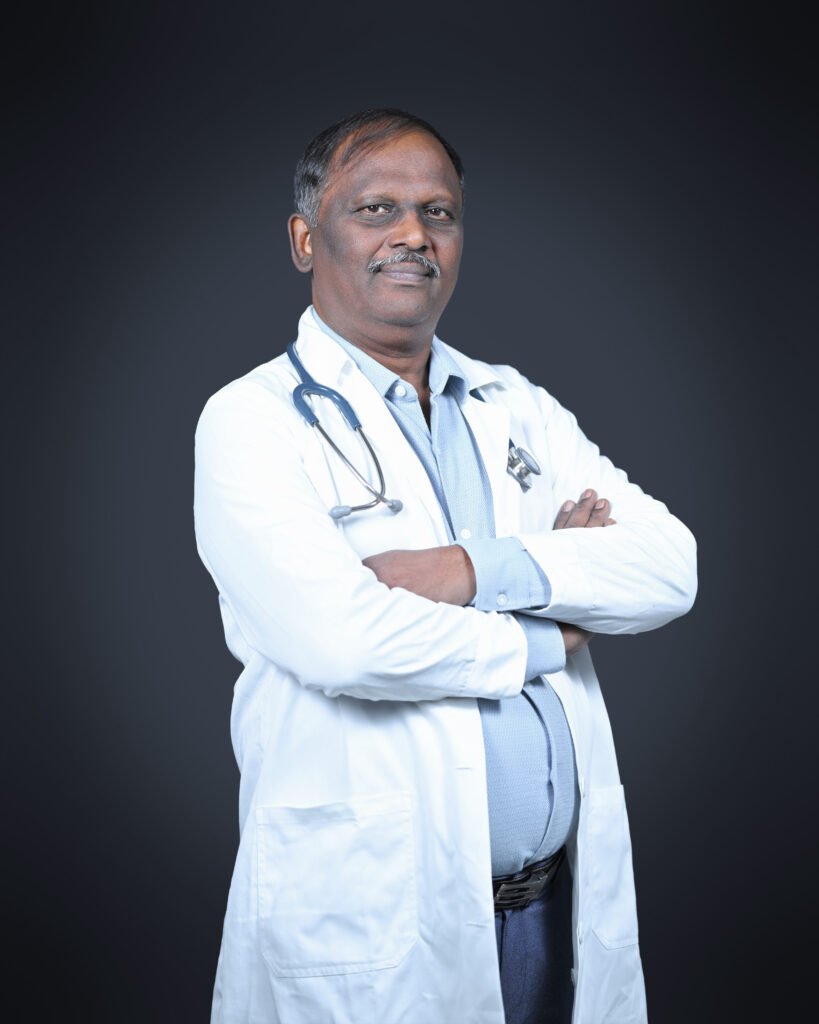
Dr. Balakrishnan. A
MBBS, MD . Professor & HOD
Dr. Balakrishnan. A
MBBS, MD . Professor & HOD
Contact Information
Email id:
anaesthesia@sreemookambikainstitute.com
Contact Information
Faculties
| S.No | Name | Designation |
|---|---|---|
| 1 | Dr. Balakrishnan | Professor |
| 2 | Dr. Sreekala Devi K S | Professor |
| 3 | Dr. Jayakumar C | Professor |
| 4 | Dr. Mahilamani P P | Professor |
| 5 | Dr. Rommy Geever T | Associate Professor |
| 6 | Dr. Srinivasan Ramasamy | Associate Professor |
| 7 | Dr. Beula G | Associate Professor |
| 8 | Dr. T Prasandan | Associate Professor |
| 9 | Dr. Devanand Jones Light | Assistant Professor |
| 10 | Dr. Blesso Nezer | Assistant Professor |
| 11 | Dr. Allwin Vino Prahasa | Assistant Professor |
| 12 | Dr. Simon Iyyankutty | Assistant Professor |
| 13 | Dr. Abunaya H I | Senior Resident |
| 14 | Dr. Akshay R Nair | Senior Resident |
| 15 | Dr. Amrutha Priyamkari R | Senior Resident |
| 16 | Dr. Parvati S | Senior Resident |
| 17 | Dr. Saji S | Senior Resident |
| 18 | Dr. Vijaya Balan P | Junior Resident |
| 19 | Dr. Nisanth B | Junior Resident |
| 20 | Dr. Subhiksha R | Junior Resident |
| 21 | Dr. Raksaivarth S | Junior Resident |
| 22 | Dr. Madhupriya Periyasamy Balasekar | Junior Resident |
| 23 | Dr. Pramoth Chander | Junior Resident |
| 24 | Dr. Suraj | Junior Resident |
| 25 | Dr. Dineshkumar S | Junior Resident |
| 26 | Dr. M Pradeep | Junior Resident |
| 27 | Dr. Preethi P | Junior Resident |
| 28 | Dr. Ramya Sridharan | Junior Resident |
| 29 | Dr. S. T. Priyadarshan | Junior Resident |
| 30 | Dr. Subhasan J V | Junior Resident |
| 31 | Dr. Suseela Kayalvizhee | Junior Resident |
Our Facilities & Infrastructure
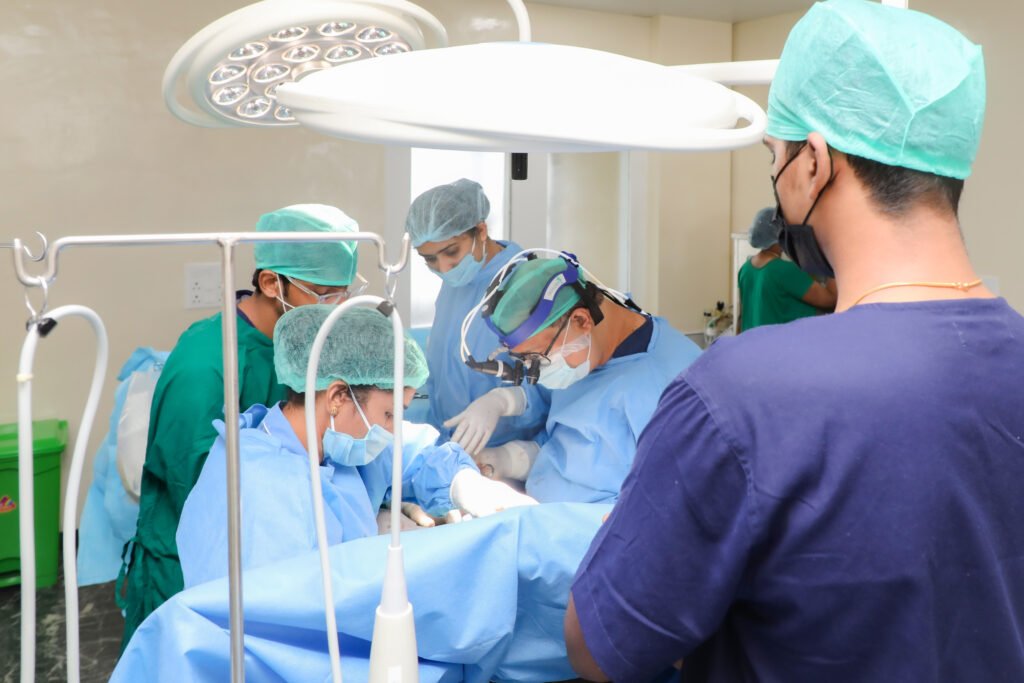
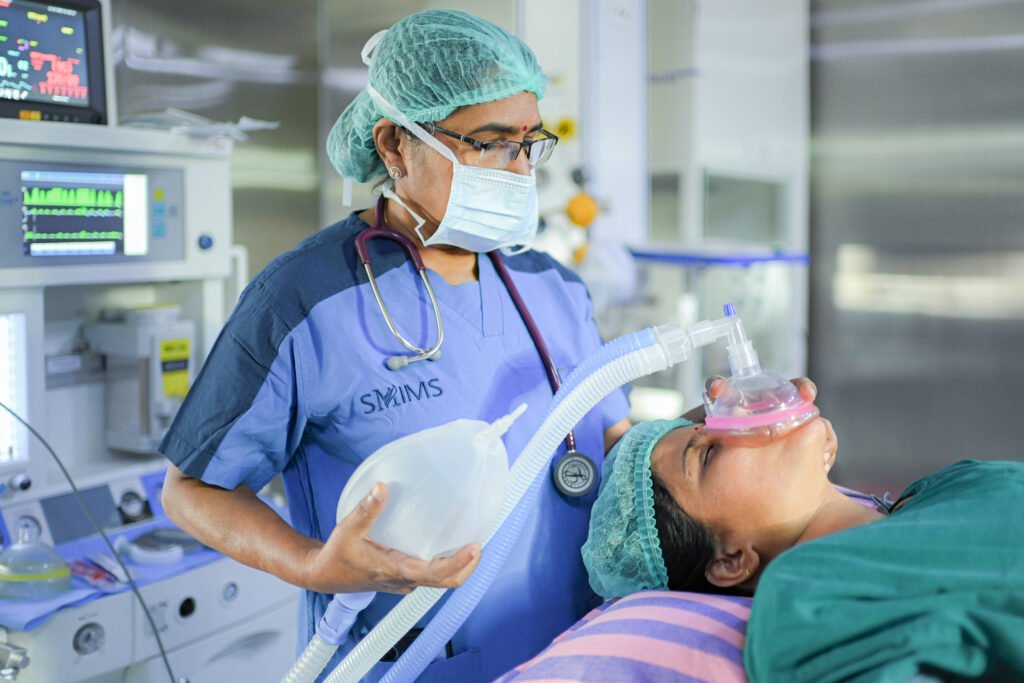
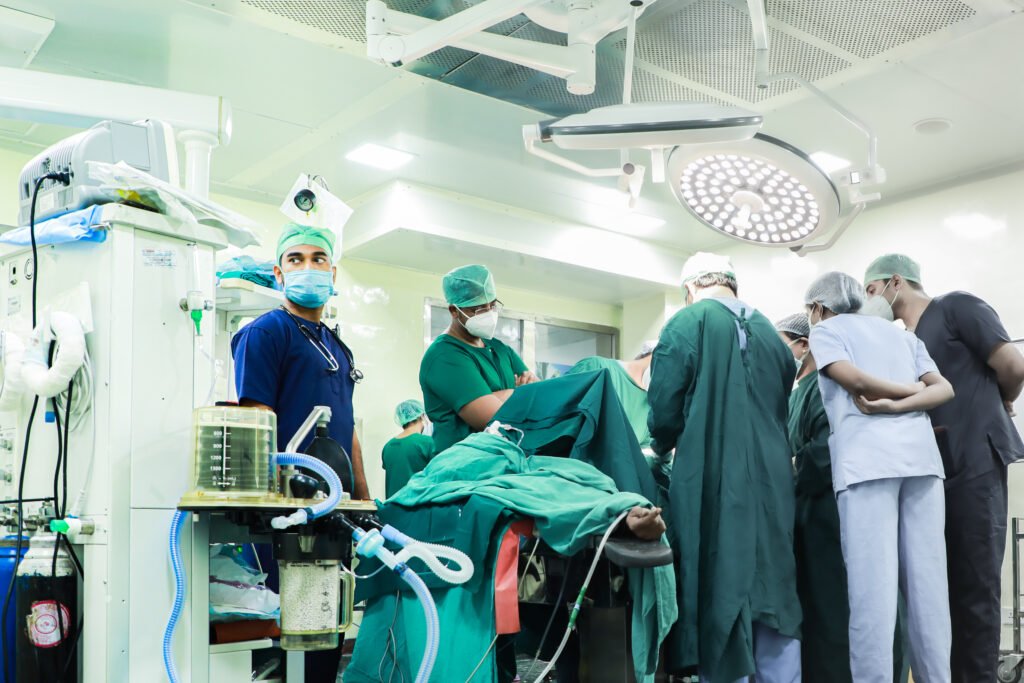
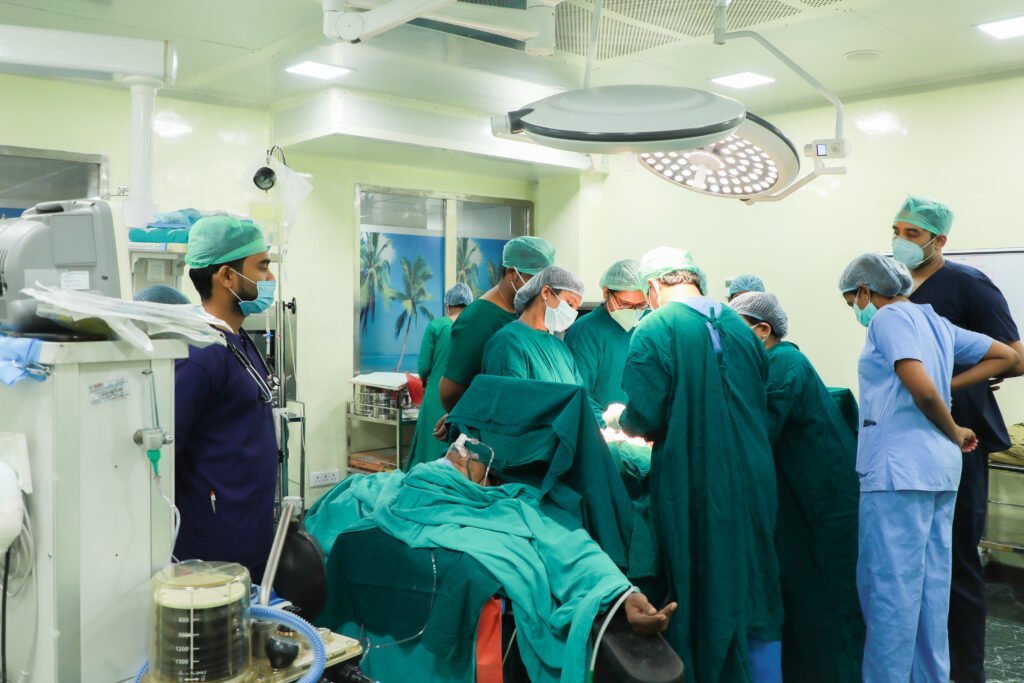
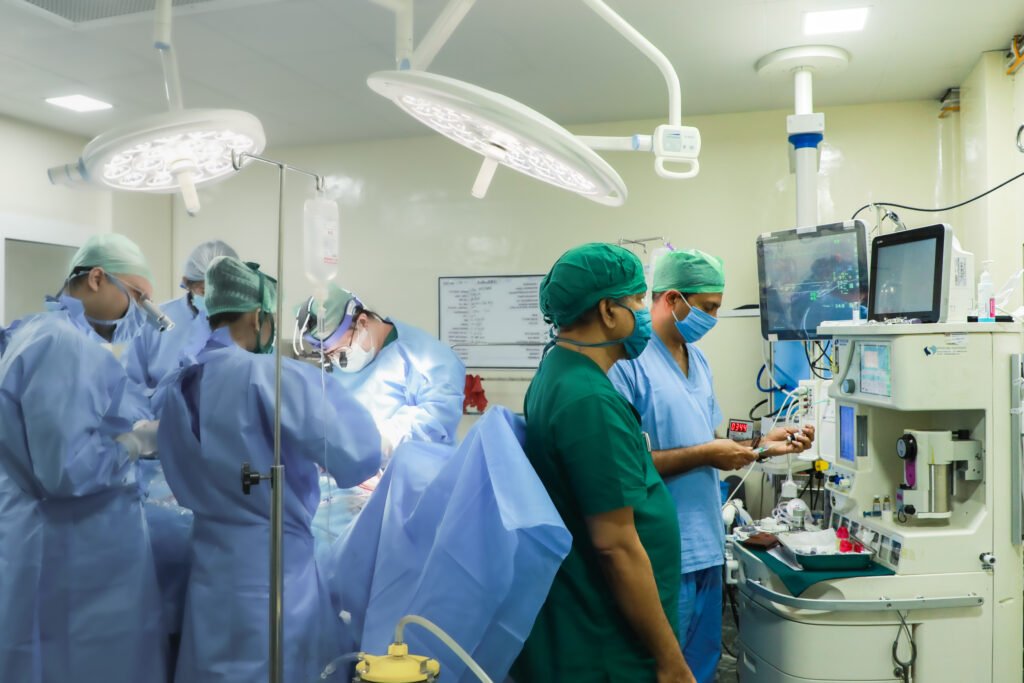
The Department of Anaesthesiology supports 13 state-of-the-art modular operation theatres, equipped with advanced anaesthesia technology and comprehensive monitoring systems to ensure the highest standards of patient safety during surgical and critical care procedures.The operation theatres are designed with laminar airflow systems, HEPA filtration, modern pendant and boom systems, and LED shadowless operating lights with video recording, creating a safe and technologically advanced environment for both patient care and medical training.
Key Facilities and Equipment:
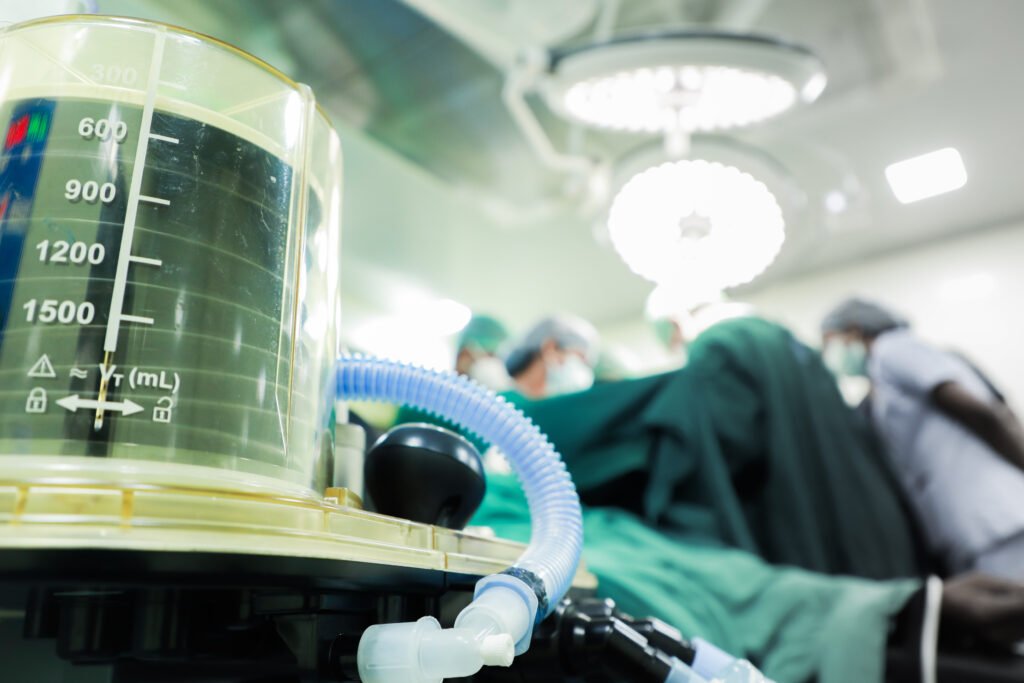
- Modern anaesthesia workstations with ventilators and advanced gas monitoring (AGM)
- Multiparameter patient monitors with ETCO₂ and invasive blood pressure monitoring
- Video laryngoscopes with recording facility for advanced airway management and teaching
- Flexible bronchoscope for difficult airway management
- Second-generation supraglottic airway devices and difficult airway carts
- Ultrasound machines with linear, curvilinear, and phased array probes for regional anaesthesia and critical care procedures
- Defibrillators with AED capability and fully equipped crash carts for emergency resuscitation
- Patient warming devices for perioperative temperature management
- Syringe and infusion pumps for precise drug delivery
- Gas scavenging systems and centralized medical gas pipeline supply
The department also operates a dedicated Post-Anaesthesia Care Unit (PACU) for recovery monitoring and post-operative observation.
These facilities enable safe anaesthesia delivery across multiple specialties including general surgery, orthopaedics, neurosurgery, urology, obstetrics & gynaecology, ENT, oncology, and other super-specialty surgical procedures
Anaesthesia Services
The department provides comprehensive anaesthesia services tailored to the needs of various surgical and diagnostic procedures.
General Anaesthesia:
- Used for major surgeries where the patient is completely unconscious. Modern anaesthetic agents and monitoring systems allow precise control of anaesthesia depth and facilitate rapid recovery.
Regional Anaesthesia:
- Includes spinal, epidural, and peripheral nerve block techniques, which numb specific regions of the body while the patient remains awake or lightly sedated.
Sedation Anaesthesia:
- Provided for diagnostic and minor procedures, including endoscopic and interventional procedures.
Paediatric Anaesthesia
- Specialised anaesthesia care for infants and children, with age-appropriate techniques and dedicated monitoring systems.
Obstetric Anaesthesia:
- Safe anaesthesia services for caesarean sections, labour analgesia, and high-risk obstetric procedures, ensuring comfort and safety for both mother and baby.
Cardiac Anaesthesia:
- Advanced anaesthesia services supporting cardiac surgeries and interventional cardiac procedures, including invasive monitoring and perioperative cardiac support.
Neuroanaesthesia:
- Specialised anaesthesia care for neurosurgical procedures, requiring meticulous monitoring of brain and spinal cord physiology.
Advanced Anaesthesia Techniques
The Department of Anaesthesiology at Sree Mookambika Institute of Medical Sciences (SMIMS) utilizes modern and advanced anaesthesia techniques to enhance patient safety, improve surgical outcomes, and promote faster recovery.
Our anaesthesiologists are trained in ultrasound-guided regional anaesthesia, which allows precise localization of nerves and improves the effectiveness and safety of nerve blocks. This technique helps provide excellent pain relief while reducing the need for general anaesthesia and opioid medications.
Advanced techniques practiced in the department include:
- Ultrasound-guided peripheral nerve blocks for surgical anaesthesia and post-operative pain relief
- Fibreoptic intubation for difficult airway management
- Video laryngoscopy for advanced airway visualization
- Epidural and spinal anaesthesia techniques for major surgeries and obstetric procedures
- Multimodal analgesia protocols for improved post-operative recovery
These modern approaches allow the department to deliver precision-based anaesthesia care, ensuring optimal comfort, safety, and faster recovery for patients undergoing various surgical procedures.
Intensive Care & Post-Anaesthesia Care
The Department of Anaesthesiology plays a key role in the management of critically ill patients through dedicated perioperative critical care facilities.
Surgical Intensive Care Unit (SICU):
- 10-bed ICU for post-operative management of critically ill surgical patients
- Equipped with ventilatory support, advanced monitoring, and resuscitation systems
Post-Anaesthesia Care Unit (PACU):
- 32-bed recovery unit for close monitoring of patients immediately after surgery
- Continuous monitoring and effective post-operative pain management by trained anaesthesia and critical care teams
The units are supported by advanced equipment including bedside ultrasound and echocardiography systems, arterial blood gas analysers, flexible bronchoscopy, renal replacement therapy support, and patient transport monitoring systems.
Specialty Clinics
The department runs specialised clinics to support perioperative care and pain management, ensuring comprehensive patient evaluation and follow-up.
- Pain Clinic
- Pre-Anaesthetic Evaluation Clinic
These clinics assist in preoperative risk assessment, pain management, and perioperative optimisation of patients, thereby improving surgical safety and recovery.
Pre-Anaesthesia Clinic & Perioperative Medicine
The Pre-Anaesthesia Clinic (PAC) at SMIMS provides comprehensive evaluation of patients prior to surgery to ensure safe anaesthesia and optimal surgical outcomes.
During the visit, patients undergo a detailed medical assessment, including review of medical history, physical examination, and necessary investigations. This helps identify existing health conditions such as diabetes, hypertension, cardiac or respiratory diseases, allowing appropriate preparation before surgery.
The Perioperative Medicine team works closely with surgeons and physicians to optimise patients before, during, and after surgery.
Key functions include:
- Pre-operative risk assessment and fitness evaluation
- Optimisation of medical conditions before surgery
- Planning of appropriate anaesthesia techniques
- Guidance on medication management and fasting instructions
- Post-operative monitoring and pain management
This coordinated approach enhances patient safety, reduces surgical risks, and promotes faster recovery after surgery.
Pain Management Services
The department provides acute and chronic pain management services using modern techniques to improve patient comfort and recovery.
Services include:
- Post-operative pain control
- Epidural analgesia
- Peripheral nerve blocks for surgical pain relief
- Management of chronic pain conditions
- Support for cancer-related pain in coordination with the Palliative Care team
Critical Care & Emergency Support
Anaesthesiologists play a vital role in critical care and emergency resuscitation across the hospital.
Key responsibilities include:
- Management of critically ill patients
- Advanced airway management and ventilator support
- Trauma and emergency resuscitation
- Code Blue response and cardiopulmonary resuscitation
- Pre-operative evaluation and optimisation of high-risk patients
Patient Safety and Monitoring
Patient safety is the cornerstone of anaesthesia practice at SMIMS. Every patient undergoes a pre-anaesthetic evaluation to assess medical fitness and anaesthesia risk.
During procedures, continuous monitoring of vital parameters such as heart rate, blood pressure, oxygen saturation, ECG, and respiratory status ensures safe anaesthesia delivery and rapid response to any changes.
Teaching and Academic Activities
As a teaching institution, the Department of Anaesthesiology actively contributes to academic training, research, and skill development.
The department is involved in:
- MD Anaesthesiology postgraduate training program
- B.Sc Operation Theatre & Anaesthesia Technology program
- Undergraduate (MBBS) teaching and clinical training
- Code Blue training sessions for doctors, nurses, and hospital staff
- Basic Life Support (BLS) and Advanced Cardiac Life Support (ACLS) training programs
- Regular academic seminars, case discussions, and skill-based workshops
These activities ensure that students and healthcare professionals are trained in modern anaesthesia practices, resuscitation skills, and patient safety protocols.