
Dr. Selvaraj. T
MBBS, MD . Professor & HOD
Overview
Forensic / Legal Medicine is a vital scientific discipline that applies medical and scientific knowledge to matters of law and justice. It involves the systematic examination, documentation, and analysis of physical and biological evidence related to crimes, accidents, injuries, and other legal issues. The specialty plays a crucial role in the investigation of deaths by determining the cause, manner, and time of death through post-mortem examinations and forensic analysis. In addition, Forensic Medicine assists in the identification of victims and perpetrators through injury interpretation, age and sex determination, and evaluation of trace evidence. It provides objective, unbiased scientific findings that support the legal system in establishing guilt or innocence and ensuring fair judicial outcomes. The discipline also addresses medico-legal aspects of clinical practice, including consent, medical negligence, and legal responsibilities of healthcare professionals. Through its integration of medicine, science, and law, Forensic / Legal Medicine contributes significantly to justice, public safety, and ethical medical practice.
Overview
Forensic / Legal Medicine is a vital scientific discipline that applies medical and scientific knowledge to matters of law and justice. It involves the systematic examination, documentation, and analysis of physical and biological evidence related to crimes, accidents, injuries, and other legal issues.In addition, Forensic Medicine assists in the identification of victims and perpetrators through injury interpretation, age and sex determination, and evaluation of trace evidence. It provides objective, unbiased scientific findings that support the legal system in establishing guilt or innocence and ensuring fair judicial outcomes. The discipline also addresses medico-legal aspects of clinical practice, including consent, medical negligence, and legal responsibilities of healthcare professionals. Through its integration of medicine, science, and law, Forensic / Legal Medicine contributes significantly to justice, public safety, and ethical medical practice.

Dr. Selvaraj. T
MBBS, MD . Professor & HOD
Overview
Forensic / Legal Medicine is a vital scientific discipline that applies medical and scientific knowledge to matters of law and justice. It involves the systematic examination, documentation, and analysis of physical and biological evidence related to crimes, accidents, injuries, and other legal issues.In addition, Forensic Medicine assists in the identification of victims and perpetrators through injury interpretation, age and sex determination, and evaluation of trace evidence. It provides objective, unbiased scientific findings that support the legal system in establishing guilt or innocence and ensuring fair judicial outcomes. The discipline also addresses medico-legal aspects of clinical practice, including consent, medical negligence, and legal responsibilities of healthcare professionals. Through its integration of medicine, science, and law, Forensic / Legal Medicine contributes significantly to justice, public safety, and ethical medical practice.
Dr. Selvaraj. T
MBBS, MD . Professor & HOD
Professor & HOD
Mission
To impart comprehensive education and practical training in Forensic and Legal Medicine grounded in scientific integrity and ethical practice. To develop competent professionals capable of applying forensic science to legal, clinical, and societal needs.
Contact Information
Email id:
forensicmedicine@sreemookambikainstitute.com
Faculties
| S.No | Name | Designation |
|---|---|---|
| 1 | Dr. Selvaraj Thangaraj | Professor |
| 2 | Dr. Rajavelu | Associate Professor |
| 3 | Dr. Jerine S. Das | Associate Professor |
| 4 | Dr. Godwin Sam R | Tutor |
| 5 | Dr. Visal Pallivila | Tutor |
| 6 | Dr. Athul Jayaraj S | Tutor |
| 7 | Dr. Ashin S Kumar | Tutor |
| 8 | Dr. Askalin Jenish C S | Tutor |
| 9 | Dr. Alin Raj A L | Tutor |
Infrastructure

1. SPECIALITY SERVICES
CFMU in EMD
2. PROCEDURE
NIL
3. POST GRADUATE PROGRAMMES/ FELLOWSHIPS
NIL
4. CMEs, CONFERENCES, WORKSHOPS, SEMINARS DONE IN THE DEPARTMENT
Conducted CMEs every year on the following topics:
Clinical Toxicology
Forensic Medicine & Law
ML Issues in Sexual Offences
Forensics & Medical Jurisprudence
PC & PNDT Act
Conducted hands-on training workshop on Trauma Analysis
Conducted student seminars every year on the following topics:
Forensic Pathology
Forensic Toxicology
Forensic Odontology
Forensic Psychiatry
Forensic Serology
5. MERITS AND OTHER ACHIEVEMENTS
Experienced Faculty
Highly qualified & experienced faculties provide expert guidance and mentorship to students.
Diverse Research Areas
Students engage in research in Forensic Medicine and are qualified to undertake ICMR projects.
Interdisciplinary Collaboration
Collaboration with other departments fosters innovative research and knowledge exchange in an organized manner.
Educational Excellence
The department nurtures high-quality, competent UG students and fosters successful careers with discipline in the healthcare system.
Achievements
Publications of research papers by both faculty & students in reputed scientific journals.
Students secured University ranks in UG examinations.
Department provides training & mentorship to students on CBME and research, fostering the next generation of forensic experts.
Introduction to Forensic Medicine
Forensic Medicine is a specialized branch of medical science that applies medical knowledge to the administration of law and justice. It plays a crucial role in solving legal issues related to health, injury, and death. The subject bridges the gap between medicine and law, helping in the investigation of crimes and ensuring justice through scientific analysis of medical evidence.
Focus of the Department
The department primarily focuses on training undergraduate medical students to become competent physicians who are aware of their medico-legal responsibilities. It emphasizes the importance of understanding laws related to medical practice, medical negligence, and professional ethics. Students are trained to handle legal aspects of healthcare confidently and responsibly in their future medical careers.
Objectives of Studying Forensic Medicine
The study of forensic medicine aims to equip students with knowledge of medical ethics, legal duties, and responsibilities towards patients, society, and the state. Students learn about existing laws and procedures relevant to medical practice and are trained to identify, examine, and document medico-legal cases. They also gain skills in preparing reports and certificates in accordance with legal standards.
In addition, students are taught to manage medico-legal problems such as poisoning cases and understand the principles of toxicology. Training includes performing medico-legal post-mortem examinations and interpreting findings to determine the cause, manner, and time of death. They also learn proper methods for preserving and sending specimens for legal investigations.
Facilities and Infrastructure
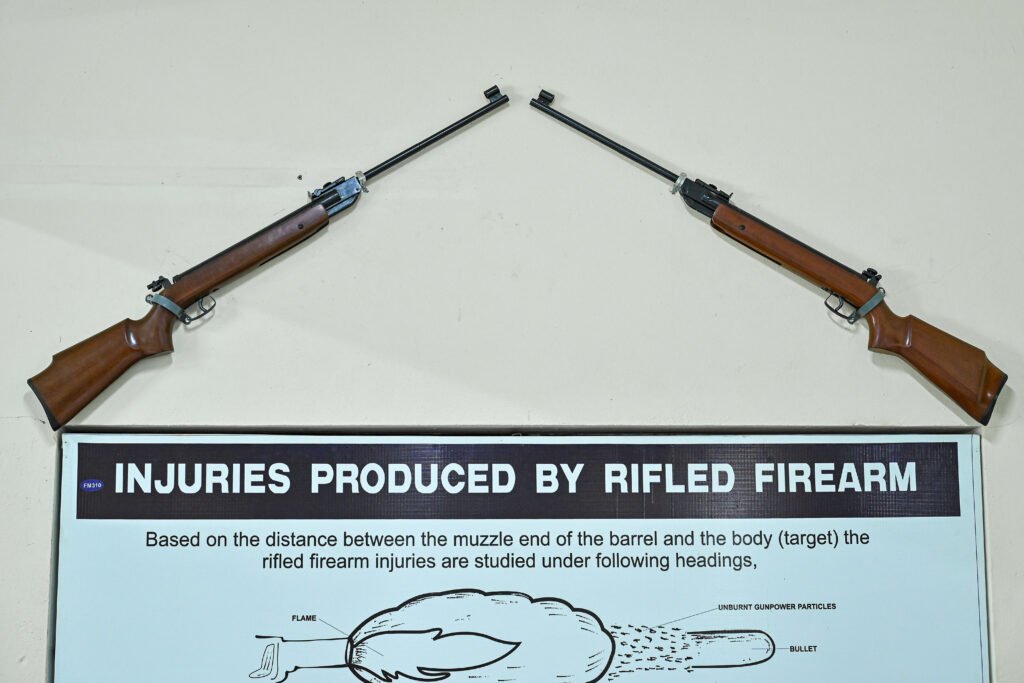
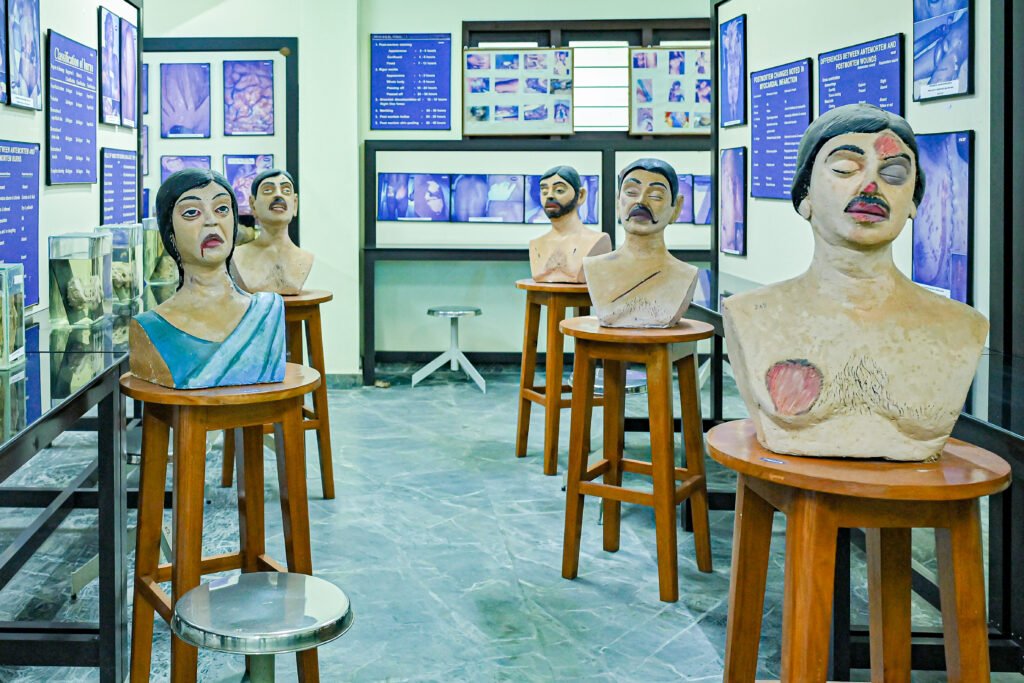
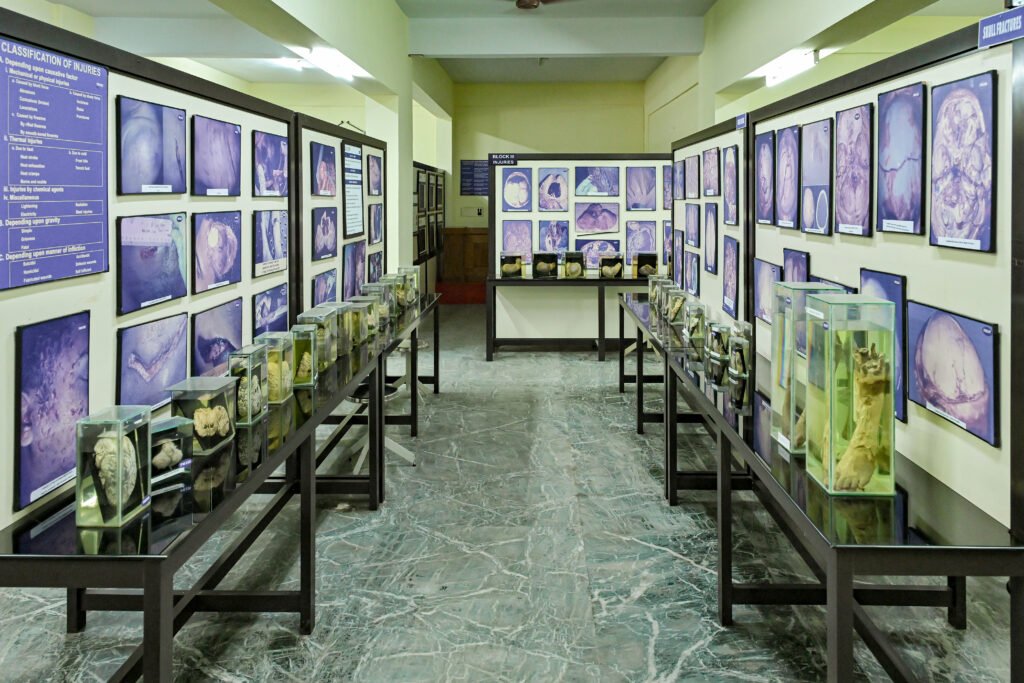
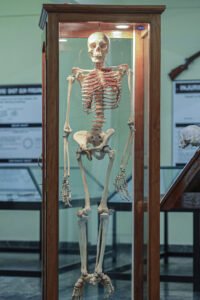
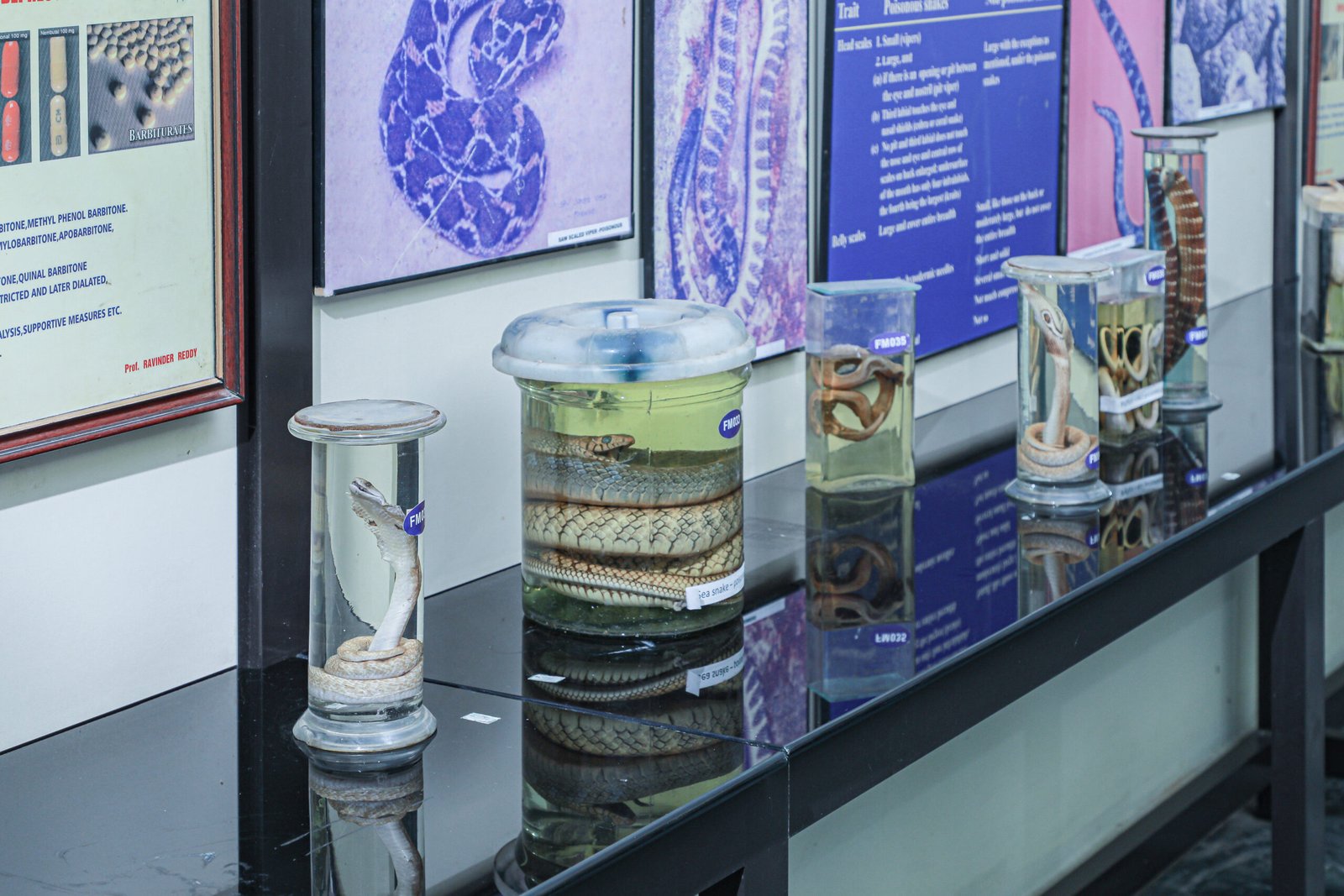
The department is equipped with essential facilities to support both teaching and practical training. A well-maintained museum houses a wide collection of specimens, bones, weapons, photographs, and charts of medico-legal importance, helping students gain visual understanding. The institution also has a well-equipped mortuary with cooling chambers for preserving bodies and an autopsy theatre with modern facilities for conducting post-mortem examinations.
Teaching Programme
The undergraduate teaching program in forensic medicine is conducted over multiple semesters, typically spanning an extended period of study. It includes both theoretical lectures and practical sessions, along with innovative teaching methods to enhance understanding. Students undergo structured training that combines classroom learning with hands-on experience, ensuring a comprehensive grasp of medico-legal concepts and procedures.
Research and Limitations
Research activities in forensic medicine are somewhat limited due to restrictions on conducting post-mortem examinations in certain private medical institutions. This can reduce the availability of practical material required for extensive research work. However, the department continues to focus on academic development and training within the available resources.
Conclusion
Forensic Medicine is an important discipline that integrates medical science with the legal system. It prepares medical students to handle medico-legal cases effectively, uphold ethical standards, and contribute to the justice system. By combining theoretical knowledge with practical exposure, the subject plays a vital role in shaping responsible and legally aware medical professionals.