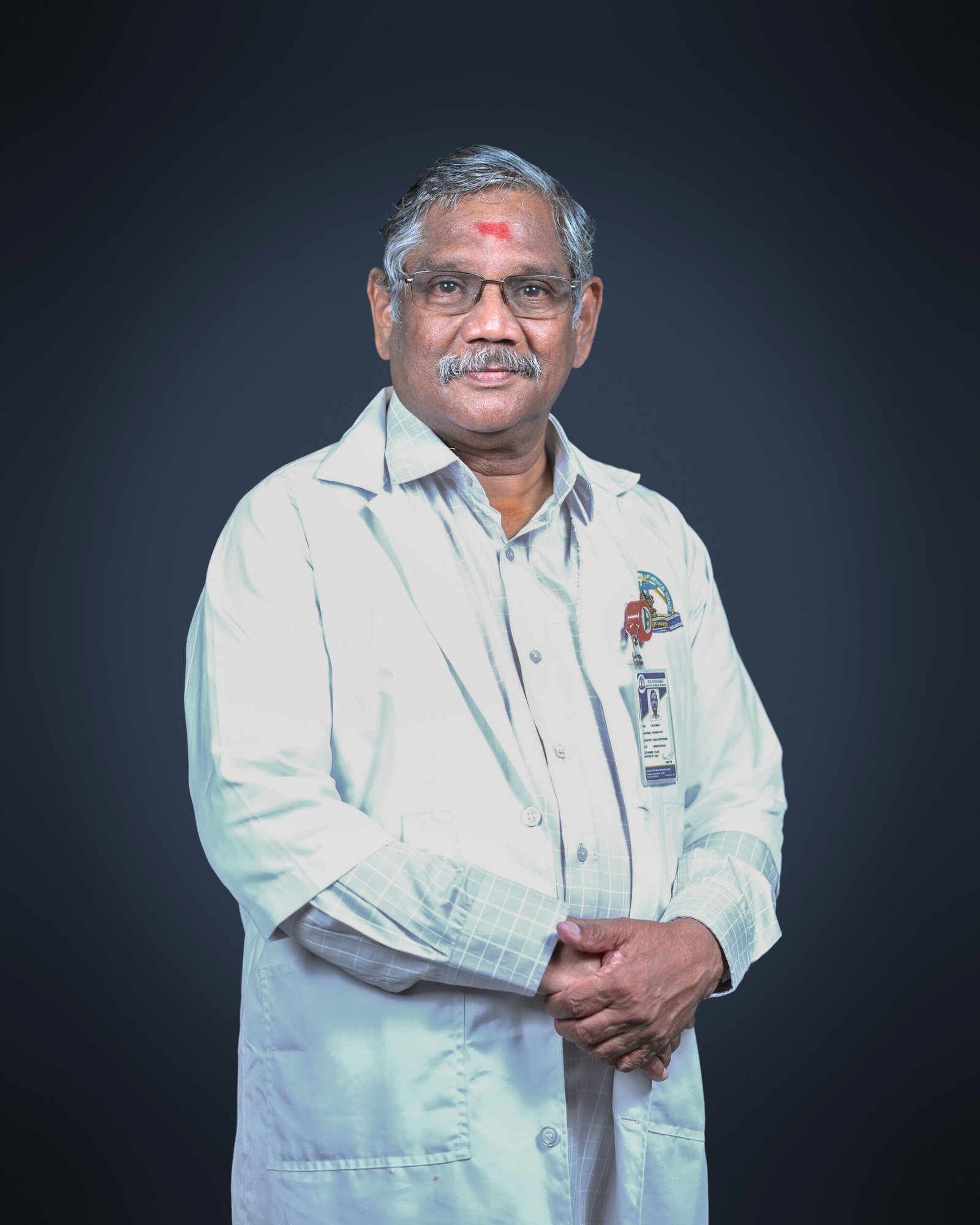
Dr. V. Ganesh
MBBS, MD . Professor & HOD
Overview
Pharmacology is a core subject in medical education, forming the basis for the rational use of medicines in the prevention, diagnosis, and treatment of diseases. It enables medical students to understand the mechanisms of action, therapeutic uses, adverse effects, and interactions of drugs, thereby promoting safe and effective patient care. The Department of Pharmacology plays a crucial role in advancing healthcare and improving human health through systematic teaching, research, and service activities. The department is actively involved in undergraduate and postgraduate education, fostering critical thinking and evidence-based prescribing practices. Through research and academic activities, the department contributes to the understanding of drug actions and the development of safer and more effective therapeutic strategies.
Overview
Pharmacology is a core subject in medical education, forming the basis for the rational use of medicines in the prevention, diagnosis, and treatment of diseases. It enables medical students to understand the mechanisms of action, therapeutic uses, adverse effects, and interactions of drugs, thereby promoting safe and effective patient care. The Department of Pharmacology plays a crucial role in advancing healthcare and improving human health through systematic teaching, research, and service activities. The department is actively involved in undergraduate and postgraduate education, fostering critical thinking and evidence-based prescribing practices. Through research and academic activities, the department contributes to the understanding of drug actions and the development of safer and more effective therapeutic strategies.
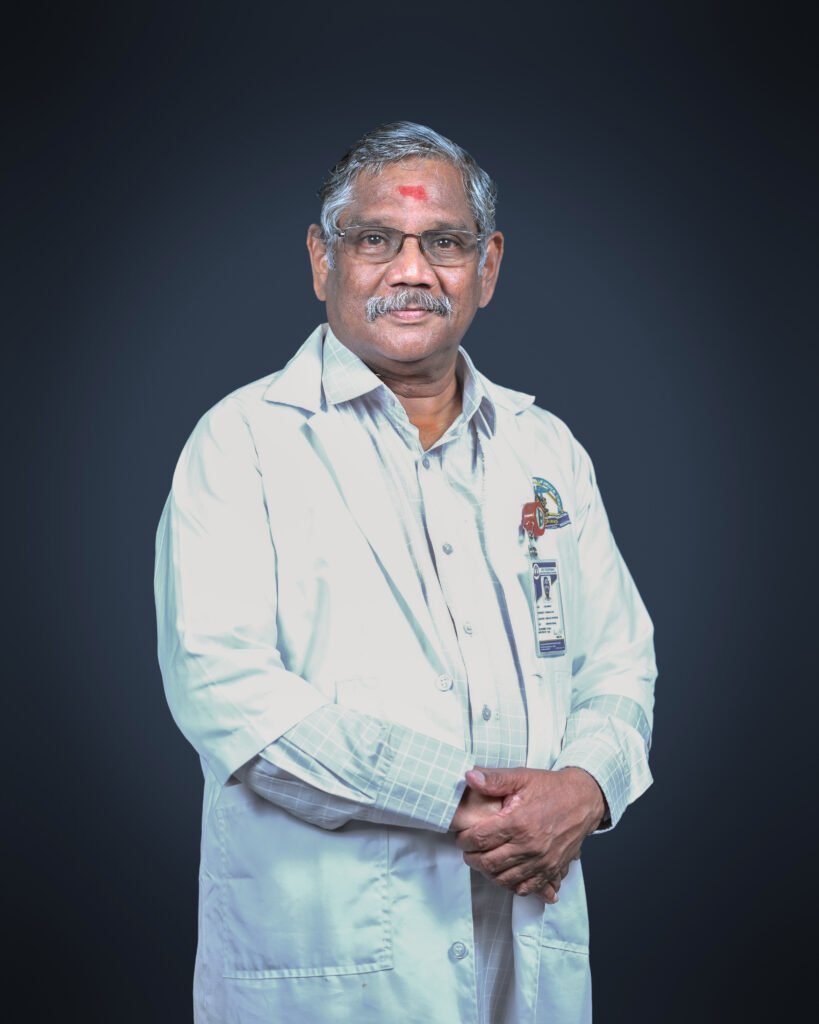
Dr. V. Ganesh
MBBS, MD . Professor & HOD
Overview
Pharmacology is a core subject in medical education, forming the basis for the rational use of medicines in the prevention, diagnosis, and treatment of diseases. It enables medical students to understand the mechanisms of action, therapeutic uses, adverse effects, and interactions of drugs, thereby promoting safe and effective patient care. The Department of Pharmacology plays a crucial role in advancing healthcare and improving human health through systematic teaching, research, and service activities. The department is actively involved in undergraduate and postgraduate education, fostering critical thinking and evidence-based prescribing practices. Through research and academic activities, the department contributes to the understanding of drug actions and the development of safer and more effective therapeutic strategies.
Dr. V. Ganesh
MBBS, MD . Professor & HOD
Professor & HOD
Mission
The mission of the Department of Pharmacology is to promote rational and safe use of medicines through excellence in education, research, and clinical application. The department is committed to advancing healthcare by fostering scientific inquiry and evidence-based pharmacotherapy.
Contact Information
Email id:
pharmacology@sreemookambikainstitute.com
Faculties
| S.No | Name | Designation |
|---|---|---|
| 1 | Dr. Ganesh Veerabahu | Professor |
| 2 | Dr. Suhaina Raship Khan | Associate Professor |
| 3 | Dr. Deepti V D | Associate Professor |
| 4 | Dr. S Ramakrishnan | Assistant Professor |
| 5 | Dr. Sumina S | Assistant Professor |
| 6 | Dr. Arjun G Nair | Assistant Professor |
| 7 | Dr. Pragadeesh Kuppuumashankar | Tutor |
| 8 | Dr. R A Femi Sree | Tutor |
| 9 | Dr. Rahul Krishnan R | Tutor |
| 10 | Dr. Aruna J | Tutor |
| 11 | Dr. Geo Aswin M A | Tutor |
| 12 | Dr. Aksha Johana Ashok | Tutor |
| 13 | Dr. Sherolin Stalinjose | Tutor |


1. SPECIALITY SERVICES
- ADR Monitoring Centre
2. POST GRADUATE PROGRAMMES/ FELLOWSHIPS
- MD Pharmacology
3. CMEs, CONFERENCES, WORKSHOPS, SEMINARS DONE IN THE DEPARTMENT
- CME on Upper Respiratory Tract Infections in Children – May 9, 2013
- Workshop on Principles of Ethics in Human Research – December 12–13, 2013
- CME on Pharmacovigilance: A Global Concept – September 19, 2014
- CME on Diabetes Mellitus: Pharmacotherapeutic Insight – September 16, 2015
- Workshop on Teaching and Learning Methods for Postgraduate Students – January 6, 2016
- Workshop on Good Clinical Practice and Schedule Guidelines – February 10, 2017
- Sensitization Program on New MBBS Curriculum for HODs – May 13–14, 2019
- Interdepartmental CME (Pharmacology and Dermatology) on Recent Advances in the Management of Psoriasis – August 28, 2020
- CME on ICH GCP, New Drugs and Clinical Trial Rules 2019, and ICMR Guidelines 2017 and 2020 – November 11, 2021
- Awareness Sensitization Program on Patient Safety – September 21, 2021
- Symposium on Pharmacovigilance: Is Reporting Voice Loud Enough? – September 22, 2022
- 3rd Pharmacovigilance Week Celebration – September 17–23, 2023
- 4th Pharmacovigilance Week Celebration – September 17–23, 2024
4. MERITS AND OTHER ACHIEVEMENTS
Merits
- Experienced faculty members provide expert academic guidance and research mentorship to students.
- The department specializes in neuropharmacology, clinical pharmacology, and toxicology, offering diverse research opportunities.
- Active interdisciplinary collaboration with other departments promotes innovation and knowledge exchange.
- High-quality undergraduate and postgraduate programs prepare students for careers in academia, industry, and healthcare.
Achievements
- Faculty members and students regularly publish research papers in reputed scientific journals.
- Postgraduate students have received awards and recognition, including best paper awards at conferences and First Rank in MD Pharmacology.
- Faculty and postgraduate students actively participate in community outreach programs in collaboration with the Department of Community Medicine, focusing on drug safety and rational drug use.
- The department provides structured training and mentorship in competency-based medical education and research, supporting the development of future pharmacologists.
Introduction to Pharmacology
Pharmacology is an important branch of medical science that deals with the study of drugs, their therapeutic uses, mechanisms of action, and effects on living organisms. It explains how drugs interact with the body and influence physiological and biochemical processes. The subject integrates knowledge from various disciplines such as physiology, biochemistry, and molecular biology, making it a key foundation for modern medicine and clinical practice.
Objectives of Studying Pharmacology
The main objective of teaching pharmacology is to provide students with a scientific and rational understanding of drug therapy. It aims to develop knowledge, practical skills, and appropriate attitudes required for the safe and effective use of medicines. Students are trained to prescribe drugs rationally, understand their benefits and risks, and communicate effectively with patients regarding treatment.
For postgraduate students, the goal is to develop specialists who can contribute to healthcare, research, and education. Training prepares them for careers in academics, pharmaceutical industries, clinical research organizations, regulatory bodies, and scientific writing.
Focus of the Department
The department emphasizes clinically oriented teaching for undergraduate students, ensuring that they gain practical knowledge applicable to patient care. Students are trained to understand the clinical relevance of pharmacological concepts, helping them become confident in prescribing medications and managing treatments.
For postgraduate students, the focus extends to developing teaching skills, research methodology, and knowledge of statistics. Training also broadens their understanding of pharmacology from laboratory research to clinical application, often described as “bench to bedside” learning.
Facilities and Infrastructure
The department is equipped with modern facilities that support effective learning and research. These include well-designed lecture halls with audiovisual systems, demonstration rooms, and a departmental library with numerous books and journals.
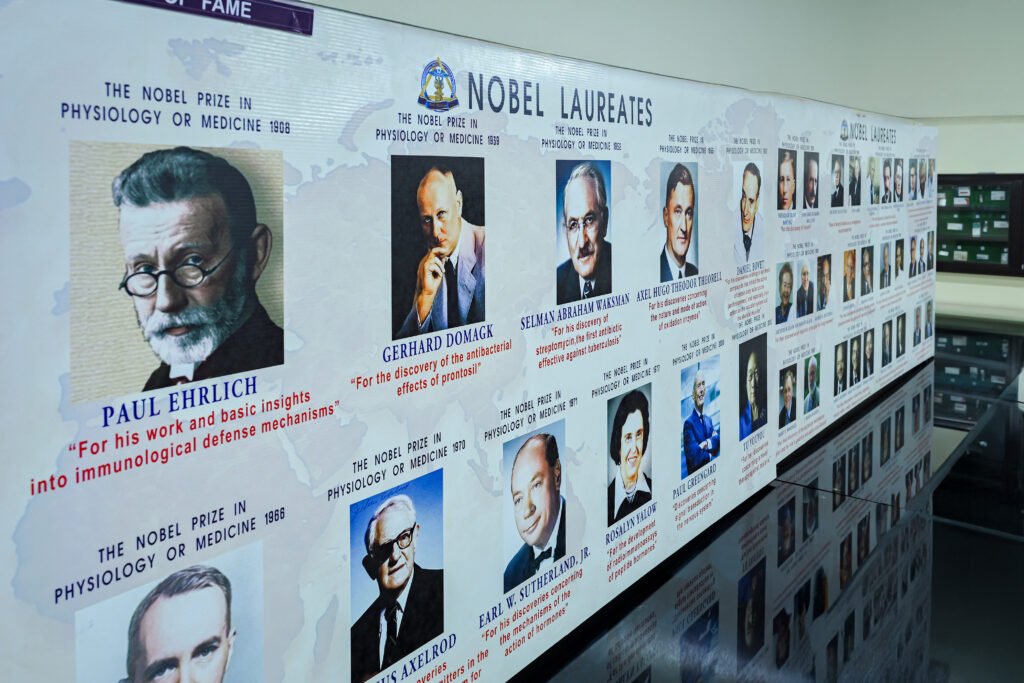
Specialized laboratories such as research labs, clinical pharmacology labs, and computer-assisted learning (CAL) labs provide hands-on training using advanced tools and software. A well-maintained museum displaying drug samples, charts, models, and historical information enhances visual learning. The department also has an Adverse Drug Reaction (ADR) Monitoring Centre under the Pharmacovigilance Programme of India, contributing to drug safety monitoring.
Academic Programme and Practical Training
The undergraduate pharmacology program is structured over a defined period and includes lectures, tutorials, seminars, and self-directed learning. Practical training involves activities such as prescription writing, dosage calculation, clinical problem-solving exercises, pharmacoeconomics, and experimental pharmacology. These exercises help students develop essential clinical and analytical skills.
Postgraduate training includes advanced teaching methods such as seminars, journal clubs, symposia, case-based learning, and bedside teaching. Students are actively involved in research projects, thesis work, and clinical postings, ensuring comprehensive academic and professional development.
Research and Career Opportunities
Research is a significant component of pharmacology education. Students and faculty engage in projects related to drug use, clinical research, and therapeutic practices. Exposure to research enhances critical thinking and contributes to advancements in medical science.
Pharmacology offers a wide range of career opportunities, including roles in teaching, pharmaceutical industries, clinical trials, regulatory agencies, and healthcare research. The subject plays a crucial role in improving drug therapy and patient safety.
Conclusion
Pharmacology is a vital subject in medical education that provides a strong foundation for understanding drug therapy and patient management. By combining theoretical knowledge, practical skills, and clinical application, it prepares students to use medicines safely and effectively. The department thus plays a key role in shaping competent and responsible healthcare professionals.